
Vitamin ANHANES 2005 to 2016
About 45% of US adults
take in less vitamin A than the estimated average requirement.
Peer-reviewed analysisLactobacillus acidophilus - UALa-01 is the lead active here, studied most for comfort after dairy. In the 7.2 billion CFU Dairy-Free Probiotics with one other, listed first. Zinc is the most studied active here, with 22 human studies behind it, each one cited. Each serving carries 420 mg of Vitamin C, inside the range the published research used. Who it fits: for everyone, adults.
 Verified by IngredientMD
The panel on the left is the one we evaluated, line by line.
All 71 actives checked against the clinical evidence: dose, form, and what the research actually shows.
Doses, ratios, and how the ingredients work together. That assessment is the verdict above: "Strong evidence, strong dose".
The verdict is public and identical whether or not a brand pays. A formula that does not clear the bar gets nothing.
Read by the engine against 2.1 million data points from clinical trials, PubMed and more than a hundred vetted sources. No individual reviewer is named or implied.
Cross-checked against 8,028 documented interactions for these actives.
Public health figures the engine matched to this formula's ingredients. Reported by their source, cited and dated, never written by the brand.
About 45% of US adults
take in less vitamin A than the estimated average requirement.
Peer-reviewed analysisAbout 46% of US adults
take in less vitamin C than the estimated average requirement.
Peer-reviewed analysisAbout 84% of US adults
take in less vitamin E than the estimated average requirement.
Peer-reviewed analysisAbout 42% of Americans
take in less calcium than the estimated average requirement.
NHANESAbout 48% of Americans
take in less magnesium than recommended from food and drink.
NIH Office of Dietary SupplementsAbout 15% of US adults
take in less zinc than the estimated average requirement.
Peer-reviewed analysisAbout 95% of US adults
do not reach the recommended daily amount of dietary fiber.
Peer-reviewed analysisMore than 1 in 3 US adults
regularly sleep less than the recommended seven hours a night.
Peer-reviewed analysisAbout 24% of US girls aged 14 to 18
take in less copper from food and drink than the estimated average requirement.
NHANESUSDA advises fortified foods or supplements after 50
In its national intake tables USDA notes that "it is advised that individuals over 50 meet their B12 requirement with fortified foods or supplements".
NHANESUS pregnant women, median 129 micrograms per litre
Between 2005 and 2010, US pregnant women had a median urine iodine level of 129 micrograms per liter, below the range considered adequate in pregnancy.
Peer-reviewed analysisMeta-analysis, 2005
Across 30 trials in 4,749 people, niacin raised HDL cholesterol by about 16 percent, lowered triglycerides by about 20 percent, and lowered LDL cholesterol by about 14 percent.
Journal of the American College of CardiologyMeta-analysis, 2024
Across pooled trials, daily spirulina lowered blood pressure in adults, cutting the top number by about 4.4 and the bottom number by about 2.8.
Phytotherapy ResearchMeta-analysis of randomized controlled trials, 2017
Across 19 trials in 797 people, chlorella lowered the top blood pressure number by about 4.5 points and the bottom by about 1.6 points.
Clinical NutritionMeta-analysis, 2023
Pooled trials of Lycium barbarum showed modest improvement in blood lipid measures in adults.
MedicineMeta-analysis, 2020
Across nine randomised trials, artichoke lowered fasting blood sugar by about 5.3 mg/dL, while fasting insulin, HbA1c and insulin resistance showed no detected change.
Complementary Therapies in MedicineMeta-analysis, 2016
Zinc acetate lozenges cut cold symptom length by about 2.7 days, versus a roughly seven day average, across three pooled trials.
British Journal of Clinical PharmacologyMeta-analysis, 2025
Combining 55 trials in 3,545 adults with raised liver enzymes, silymarin lowered the liver enzymes ALT and AST.
BMC Complementary Medicine and TherapiesMeta-analysis, 2024
Pooling 26 studies in 1,439 adults, stevia intake lowered blood glucose by about 3.8 mg/dL on low-certainty evidence, with no detectable change in insulin or HbA1c.
The paperSystematic review, 2024
Human trials of barley and oat beta-glucan reported shifts in immune and inflammatory markers and in gut microbiota composition, with results varying by dose.
Current nutrition reportsNarrative review, 2025
Reviewing the human literature, the authors find mostly small early studies, with the steadiest signals on oxidative-stress markers and hemoglobin, and call for more rigorous trials.
Journal of Pharmacy and Bioallied SciencesMeta-analysis, 2020
Across 18 trials, alpha-lipoic acid lowered body weight by about 2.3 kg, and across 21 trials it lowered BMI by about 0.5 kg/m2.
International Journal of Clinical PracticeMeta-analysis, 2022
Across nine trials in postmenopausal women, vitamin K2 raised lumbar spine bone density by about 2.2 percent and forearm bone density by about 1.6 percent compared with control.
Journal of Bone and Mineral MetabolismMeta-analysis, 2024
Coenzyme Q10 was linked to better semen quality measures like sperm count and movement, with a smaller rise in testosterone, across pooled trials in men.
Frontiers in pharmacologyMeta-analysis, 2025
In a network meta-analysis of 19 trials with 1,658 participants, biotin-containing preparations were among the supplements linked to greater hair density, though most individual trials were small.
Frontiers in nutritionMeta-analysis, 2016
Across 16 randomized trials in 810 adults, grape seed extract was associated with lower systolic blood pressure by about 6.1 mmHg and lower diastolic blood pressure by about 2.8 mmHg.
MedicineMeta-analysis, 2014
Across 13 trials, green tea catechins lowered systolic blood pressure by about 2.08 mmHg and diastolic by about 1.71 mmHg compared with control.
European Journal of NutritionAbout 23 percent lower plasma homocysteine at 0.8 mg daily, with 0.2 mg and 0.4 mg reaching roughly 60 and 90 percent of that
Lowers homocysteine, a blood marker tied to heart risk. Measured in adults, standardised to a pretreatment homocysteine of 12 micromol per litre (95% CI 21 to 26 percent).
Meta-analysisRandomised trial, 2018
In 96 middle-aged women reporting tiredness, eight weeks of 1200 mg daily soy lecithin improved mood vigor scores and lowered diastolic blood pressure versus placebo, with no detectable change in fatigue scores.
Nutrition JournalClinical trial, 1987
Fifteen adults with elevated blood lipids who ate 40 g of heat-treated alfalfa seeds three times daily for eight weeks saw median total cholesterol fall about 17% and LDL cholesterol about 18%, with values returning to starting levels after they stopped.
The paperSystematic review, 2026
A systematic review catalogued gastrointestinal symptoms reported across sodium bicarbonate dosing protocols and described how symptom burden varies with dose, timing and whether the dose is split or given with food.
European Journal of Sport ScienceSystematic review, 2024
Across the reviewed human studies, higher dietary carotenoid intake tracked with more favourable cardiovascular risk markers, an association rather than a demonstrated cause.
NutrientsMeta-analysis, 2017
Across 22 trials in 1,886 adults, sugarcane policosanol lowered total cholesterol and LDL cholesterol, by roughly 0.3 to 1.0 mmol/L across the pooled confidence range, though results from Cuban centres were much larger than those from elsewhere and the effect did not track with dose.
Molecular Nutrition and Food ResearchMeta-analysis, 2015
Across 12 trials, vitamin E lowered a blood marker of inflammation by about 0.62 mg/l compared with not taking it.
European Journal of Clinical NutritionMeta-analysis, 2026
Pooling trials of dietary nitrate, the source of nitrate in leafy greens such as spinach, the review examined effects on body weight measures in adults.
Frontiers in public healthSystematic review and dose-response meta-analysis, 2019
Across 33 trials in adults with high blood sugar, inulin-type fructans lowered fasting blood sugar by about 0.6 mmol/L and a long-term blood sugar marker by about 0.58 percent.
Journal of Translational MedicineMeta-analysis, 2014
Across 25 trials in adults with high blood sugar, chromium lowered HbA1c, a marker of average blood sugar, by about 0.55 percentage points and fasting glucose by about 1.15.
Journal of Clinical Pharmacy and TherapeuticsOpen-label trial, 2022
A fermented papaya and noni preparation was assessed against oxidative stress and inflammatory markers. The reported endpoints are laboratory markers and the material is a fermented preparation rather than plain fruit powder.
NutrientsMeta-analysis, 2024
Pooling trials of Mediterranean culinary herbs and spices, including rosemary, found modest improvements in blood sugar markers in adults with raised blood sugar.
NutrientsMeta-analysis, 2024
Pooling nine randomized trials in 558 adults, ashwagandha lowered perceived stress scores by about 4.7 points and serum cortisol by about 2.6 micrograms per deciliter compared with placebo.
ExploreRandomised trial, 2020
A placebo-controlled trial of a multi-ingredient skin supplement containing collagen peptides and a vitamin C source reported changes in skin structure and function, but with several actives no single ingredient can be credited.
Journal of Medicinal FoodMeta-analysis, 2023
Pooled trials of flavonoid supplementation in healthy adults reported modest effects on athletic performance measures.
NutrientsSystematic review, 2025
Across the trials pooled, plant proteins were used for recovery from resistance-exercise-induced muscle damage in healthy young adults, with the authors summarising the range of reported effects rather than a single figure.
NutrientsRandomised trial, 2025
In a randomised placebo-controlled trial in adults, hawthorn fruit supplementation was assessed for facial skin measures and leukocyte telomere length, with the reported effects differing between participant subgroups.
NutrientsClinical trial, 2009
In a pilot study of 17 volunteers, a fresh dandelion leaf extract increased urination frequency in the 5 hours after the first dose and raised the urine output to fluid intake ratio after the second dose, with no change after the third.
Journal of Alternative and Complementary MedicineMeta-analysis, 2023
Across a review of 54 clinical reports with 39 pooled, oral bromelain lowered pain scores slightly more than control, by about 0.27 points on the pain scale, and topical bromelain shortened time to complete wound debridement by about 6.9 days.
Nutrition and HealthMeta-analysis, 2024
In a dose-response meta-analysis of randomised trials, riboflavin was associated with about 1.3 fewer severe recurring headache attacks per month compared with control.
Neurological SciencesMeta-analysis, 2025
Pooling trials in healthy adults, dark chocolate intake was associated with a small change in peak oxygen uptake during exercise, and results varied across the individual trials.
Physiological reportsMeta-analysis, 2026
The authors pooled trials of a traditional multi-herb powder whose named constituents include astragalus root and reported that the included trial pool was small and of mixed methodological quality.
Frontiers in PharmacologyMeta-analysis, 2024
Across 8 randomised trials in 541 adults, preparations dominated by glycyrrhizic acid raised systolic blood pressure by about 3.5 mmHg and diastolic by about 1.3 mmHg, while flavonoid-dominant preparations showed no detectable change.
NutrientsRandomised trial, 2019
A cleanse-style supplement containing slippery elm showed no detectable difference from control in body composition, waist measurement or blood markers.
Journal of dietary supplementsSystematic review, 2005
Across the rigorously designed trials, eleuthero at up to 1000 to 1200 mg a day for 1 to 6 weeks showed no measurable gain in endurance, cardiorespiratory fitness or fat metabolism during exercise.
International Journal of Sport Nutrition and Exercise MetabolismSystematic review, 2023
Across 18 studies, pyridoxine on its own and in combinations improved nausea scores in pregnancy on both the Rhode and PUQE scales, a use with a long clinical track record.
Archives of Gynecology and ObstetricsMeta-analysis, 2020
Ginger eased nausea severity during pregnancy versus placebo (standardized mean difference 0.82), pooling 13 trials in 1,174 women, with no clear effect on vomiting.
J Matern Fetal Neonatal MedRandomised trial, 2026
Thiamin supplementation improved the thiamin pyrophosphate effect, a blood marker of thiamin adequacy, in children whose levels were low.
Scientific reportsRandomised trial, 2025
The authors reported that children given a bromelain-rich pineapple extract had greater improvement in symptom scores over the observation period than the comparison group.
Molecular Nutrition and Food ResearchSystematic review and meta-analysis, 2020
In pregnant women with mild to moderate iodine deficiency, iodine lowered a thyroid marker and curbed the usual pregnancy rise in thyroid size. Infant cognitive, language and motor scores showed no change across trials.
American Journal of Clinical NutritionPopulation figures from public health data. Context for the category, not a statement about any individual and not a claim about this product.
Each line below was derived from this formula's own record at the time of verification. Nothing here was written by the brand, and nothing can be added that the evidence does not carry.
Four pairings in this formula have been studied as combinations in human trials. Each finding below is what a named study measured, cited and dated, never written by the brand.
In a two-year trial in older adults, zinc taken together with selenium improved the antibody response to influenza vaccination.
In a 12-month randomised, double-blind trial, 98 adults aged 50 and over drank a litre a day of either a naturally calcium- and magnesium-rich mineral water or a low-mineral water. The mineral-rich group had fewer falls at the 6-month assessment and higher appendicular muscle mass, with the minerals delivered as drinking water rather than a capsule.
In a 2025 network meta-analysis of 16 randomized trials in healthy adults, folic acid taken together with vitamins B6 and B12 lowered blood homocysteine more than any single supplement, with the 1 mg folic acid plus 7.2 mg B6 plus 20 micrograms B12 arm ranked most effective versus placebo (mean difference -1.03 micromol/L, 95% CI -1.71 to -0.36).
In an 8-week randomized trial of 264 stressed healthy adults with low magnesium, magnesium plus vitamin B6 and magnesium alone reduced perceived stress about equally overall. In the prespecified subgroup that started with severe stress, the combination improved stress scores 24% more than magnesium alone.
Research strength. Research strength says how much work stands behind the combination. It is never a product score.
Fail closed. Where actives were studied on their own rather than together, each shows on its own evidence, never a combined effect no trial measured.
Independent record. Every finding is cited to a named trial, dated, and never written by the brand.
Findings from trials that studied these actives as a combination. Context for how the actives were tested together, not a statement about any individual and not a claim about this product.
Where a trial measured an actual number, we show it next to the claim. It is the average across the trials, never a promise about one person.
About 52 percent lower risk of developing a cold, in trials of people undergoing brief periods of severe physical exertion.
Read at the source. The magnitude sits beside the same trial the claim already cites. It describes what the trials measured, never what any one person will feel.
Time-to-effect windows the engine read from the trial record. Each is a window a named study measured, cited and dated, never written by the brand.
In a randomised crossover trial, 12 healthy adults consumed 101.7 mg of vitamin C as a powder, as raw fruits and vegetables, or as juice, and plasma vitamin C rose after every intake form, with plasma and urinary levels tracked over the 24 hours following the single dose.
In a 3-phase crossover using two deuterium-labelled forms of alpha-tocopherol, healthy women absorbed about 55 percent of an oral dose taken with a 40 percent fat meal and about 64 percent with a fat-free meal, with samples tracked over 72 hours. The authors conclude absorption is not limited by absent fat or fasting, and that vitamin E leaves the intestine by a prolonged process.
In the controlled depletion study the EFSA reference opinion reviews, restricting thiamin intake to 0.009 to 0.015 mg/MJ for 30 days brought urinary free thiamin excretion from a mean of 0.283 mg/24 h down to undetectable levels by day 18 of the depletion period.
In the same depletion and repletion record the EFSA reference opinion reviews, erythrocyte transketolase activity fell progressively to about 75% of baseline during the 30-day depletion period and returned to its baseline value after 1 week of thiamin repletion.
In an intervention the EFSA reference opinion reviews, adults whose baseline riboflavin intake and status were unknown received 5 mg/day of riboflavin for 8 weeks, and haemoglobin concentration, haematocrit and erythrocyte count all rose significantly over that period.
An expert consensus on vitamin B6 use, developed by a six-member Delphi panel with a structured evidence-quality assessment, calculated from pharmacokinetic parameters that complete clearance of vitamin B6 from the body takes a washout period of about 20 to 40 days after intake stops.
A systematic review and Bayesian meta-analysis drew on 108 articles from 14,002 screened records and modelled blood folate against folic acid intake using one-compartment pharmacokinetic models. Red blood cell folate rose 1.78 fold from baseline to steady state at 375 to 570 ug folic acid per day, and reaching that steady state took a median of 36 weeks, 95% credible interval 27 to 52 weeks. Serum or plasma folate rose 11.6% for every 100 ug per day of folic acid intake, 95% credible interval 8.4 to 14.9.
A kinetic study in six healthy men aged 22 to 31 gave 3.6 umol per day, 1.6 mg, of deuterium-labelled folic acid for four weeks, with folate tracked in serum, erythrocytes and urine by microbiological assay and gas chromatography mass spectrometry. Serum folate reached its maximum concentration in about 18 days, while isotopic labelling of erythrocyte folate kept rising across the whole four weeks. After supplementation stopped, red blood cell folate and urinary folate excretion declined linearly, and serum folate fell with a slow-phase half-life of 18.7 days. One study, six men, no control group.
A randomised, double-blind, parallel-group dose-finding trial in 120 older people with mild vitamin B12 deficiency, defined as serum B12 of 100 to 300 pmol/L with methylmalonic acid at or above 0.26 umol/L, gave daily oral cyanocobalamin at 2.5, 100, 250, 500 or 1000 ug for 16 weeks. Mean plasma methylmalonic acid fell 16%, 16%, 23%, 33% and 33% across those doses. Daily doses of 647 to 1032 ug accounted for 80% to 90% of the estimated maximum reduction. The window was measured on a blood marker of B12 status, not on a symptom.
An open-label randomised single-dose pharmacokinetic study in 20 healthy men aged 20 to 45, conducted and authored by staff of Emisphere Technologies, the developer of the SNAC carrier under test, measured serum vitamin B12 after one 5 mg cyanocobalamin tablet, with six men on the marketed tablet. Time to peak serum B12 was 6.83 hours for the marketed tablet and 0.5 hours for the carrier coformulation. Absolute bioavailability was 2.16% and 5.09% respectively. One trial, six men per arm. Serum concentration was measured, not any symptom.
In an open trial with no placebo arm, 71 patients with brittle or splitting fingernails took 2.5 mg of biotin a day. Of the 45 cases that could be evaluated, 41 were rated as having firmer and harder nails after an average of 5.5 months of treatment, standard deviation 2.3 months. The rating was clinical judgement rather than an instrument reading, and there was no control group, so the window describes when the raters recorded change, not a placebo adjusted effect.
A randomised cross-over trial in ten women of mean age 69 gave a single 500 mg dose of calcium as citrate fasting, citrate with a meal, fortified juice or a dairy product meal, with blood drawn before and at 1, 2, 4 and 6 hours. Serum ionised and total calcium increased significantly from baseline over six hours, with the rise similar after fortified juice, delayed when citrate was taken with a meal and smaller after the dairy meal. A separate double-blind cross-over trial in 25 postmenopausal women measured parathyroid hormone and a bone resorption marker 12 hours after a single calcium dose. Ten participants is a small sample, and what moved was blood chemistry, not a sensation.
A systematic review of ten randomised crossover trials in 225 healthy adults aged 18 to 64 examined inorganic phosphorus supplementation taken with meals against postprandial metabolic outcomes. Three of the four studies measuring diet-induced thermogenesis reported a significant positive association with phosphorus in the hours after eating. The reviewers temper the finding: few studies, modest samples, methodological heterogeneity, and association rather than established cause.
Across three randomised placebo-controlled trials pooled as individual patient data (199 adults with naturally acquired colds, 80 to 92 mg of elemental zinc a day as acetate lozenges), 70 percent of the zinc group had recovered by day 5 against 27 percent on placebo, and colds ran 2.73 days shorter against a 7 day average duration. A separate meta-analysis of seven lozenge trials (575 participants, doses above 75 mg a day, zinc acetate or zinc gluconate) measured cold duration 33 percent shorter, with no significant difference between the two salts.
In a controlled feeding study in nine healthy men, six weeks of restricted zinc intake raised DNA strand breaks in peripheral blood cells, and four weeks of repletion at 11 mg a day, with 20 mg of supplemental zinc for the first seven days, reversed the rise. In a separate randomised placebo-controlled trial in 40 Ethiopian women eating a high-phytate diet, 20 mg a day of zinc sulfate for 17 days lowered mean comet tail moment from 39.7 to 30.0 while plasma zinc did not change significantly. Both windows were measured on a DNA damage marker in blood cells, not on a symptom.
In a 12 week randomised double-blind placebo-controlled trial in 119 healthy UK adults aged 50 to 64, mean plasma selenium rose from 95.7 ng/mL at baseline to steady state by week 10, reaching 118.3, 152.0 and 177.4 ng/mL on 50, 100 and 200 micrograms a day of selenium-enriched yeast. Plasma selenoprotein P rose in every selenium arm. Platelet glutathione peroxidase activity did not change significantly at any dose or form.
In an 8 week pilot with a parallel placebo group, 8 young women taking 2 mg of copper a day as copper glycinate showed a 9 percent mean rise in serum ceruloplasmin and a 75 percent rise in diamine oxidase, alongside a 39 percent fall in plasma F2-alpha isoprostanes. Erythrocyte copper-zinc superoxide dismutase did not change. In a separate 4 week double-blind crossover in 20 men with moderately high cholesterol at the same 2 mg a day, copper moved no measure across the whole group and raised superoxide dismutase and diamine oxidase only in the 10 men who started below the median. Both are small and both measured enzymes in blood, not a symptom.
In the excretion studies the EFSA reference opinion reviews, urinary output closely tracked dietary sodium once intake was held steady: 98% of dietary sodium appeared in 24-hour urine in a 3-day study, and 86% of sodium ingested over 4 weeks was recovered in 24-hour urine collected during the same period.
In the controlled metabolic study the EFSA reference opinion reviews, young men held at constant sodium intakes for 29 days per level showed rising average daily urinary aldosterone excretion as intake was stepped down from 4.9 g/day to 2.5 g/day.
In a randomised crossover trial, twenty healthy trained cyclists took 6 g of spirulina daily for 3 weeks. After that period, heart rate during a graded cycling test at simulated altitude was lower than after placebo, and red cell distribution width had risen.
In a randomised placebo-controlled trial, healthy elderly adults consumed 8 g of spirulina daily for 16 weeks. Over that window, plasma cholesterol in the men shifted downward and antioxidant capacity and immune variables changed relative to placebo.
In a randomised double-blind placebo-controlled trial in constipated elderly volunteers (25 in the inulin arm), 15 g per day of chicory native inulin significantly raised total faecal bacteria and bifidobacteria counts after 28 days, alongside reported reductions in defecation difficulty. Flatulence was reported but did not stop participation. A separate four-week randomised trial funded by the ingredient maker BENEO gave 8 g per day to 18 subjects with reduced tolerance of intestinal gas and found gas retention fell 22 percent against baseline, a change that did not separate from placebo, with higher bifidobacteria counts against placebo.
In a 12-week randomised, double-blind, placebo-controlled trial, 80 middle-aged adults with self-reported memory complaints took heat-treated green tea extract or placebo. The extract group showed a greater improvement in a standardised composite memory score at week 12, alongside increased functional connectivity within the default mode network on imaging. One trial of 80 people, in a population with subjective complaints rather than measured impairment.
Windows measured in the cited trials. Context for how the active behaves over time, not a statement about any individual and not a claim about this product.
12 ingredients, from each one's own page.
Weeks to months. Liver stores buffer intake, so vitamin A status moves slowly and shows up on a blood panel rather than as a sensation.
Blood levels rise within hours and tissue pools fill over days. Collagen-linked changes in skin and gums build over weeks and show as tissue quality, not as a sensation.
Plasma alpha-tocopherol climbs within days of daily intake, and anything you'd notice in skin condition is a slow change across a couple of months.
There is no onset to time in the usual sense. Status markers such as erythrocyte transketolase activity move across weeks, and that is where the change is read.
Urine turns bright yellow within hours of the first dose. Status itself, read as red cell glutathione reductase activity, shifts across two to eight weeks.
Nothing to wait for at everyday amounts. Niacin status shows up on blood work rather than as a sensation. The flush from the nicotinic acid form arrives within 30 minutes.
Nothing quick. Conversion to the active coenzyme happens within hours, but plasma pyridoxal 5-phosphate takes a couple of weeks to settle at a new level.
Red cell folate climbs over roughly four to eight weeks. It's a blood panel change rather than a sensation.
Markers move first. Methylmalonic acid and homocysteine start shifting within a week or two, while anything you would notice takes several weeks of daily use.
Fingernails grow around 3mm a month, so it takes roughly 8 to 12 weeks before enough new plate has grown out to judge the difference by eye.
There's no onset you would time. It feeds coenzyme A within days, and the effect sits in metabolism and blood levels rather than in a sensation.
No acute sensation. Parathyroid hormone responds within hours, while bone density shifts over a year or more of steady intake, so this reads on a panel and a scan.
How each ingredient usually behaves over time, from its own page on IngredientMD. General timing for the ingredient, not a measurement of this product.
What each form is, and where it fits in a formula. Measured findings carry the study that reported them.
The free vitamin B2 molecule, an isoalloxazine ring joined to a ribitol sugar chain, supplied as the unmodified crystalline compound with no added salt or phosphate group.
The free-acid form of vitamin B3, pyridine-3-carboxylic acid. It is the reference form of niacin, a small water-soluble molecule carrying a bare carboxylic acid group on the pyridine ring.
The free acid form of vitamin B5, an amide of pantoic acid and beta-alanine, supplied as a viscous hygroscopic oil or a stabilised liquid rather than a dry salt.
The pressed liquid fraction of young wheat grass, dried to a fine soluble powder with the insoluble pulp removed.
Whole floret tissue dried and reduced to a powder, carrying glucoraphanin at native food-level concentration along with fibre, vitamin C and vitamin K1.
The milled dried root and stolon, carrying glycyrrhizin at a variable natural level along with the full flavonoid and polysaccharide fraction.
Dried inner bark ground fine, holding mucilage in its native matrix along with bark fibre, tannins and phenolics.
Dried, milled brown seaweed such as Ascophyllum nodosum or Laminaria, in which iodine occurs naturally bound within the plant tissue alongside other marine minerals.
Albumin fractionated from bovine plasma, used as a defined protein reagent with characterised binding sites.
Wet-fractionated protein, typically 80 percent or more protein by weight, with starch, most fibre and much of the phytate removed by isoelectric precipitation.
Descriptions of the form itself, read from the cited studies. Not a comparison between products and not a statement about any individual.
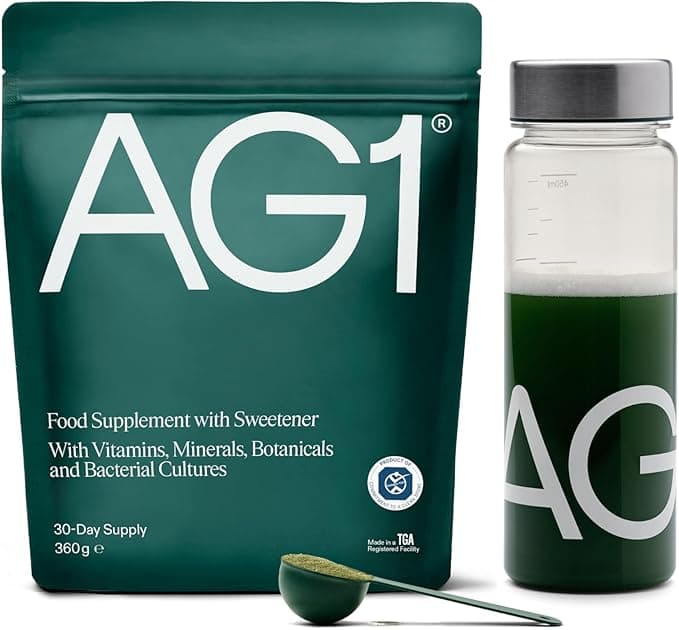
It is a powder, so the serving scales to the amount you want and mixes into something you already drink.
Put an earned verification on your own product page.
These statements have not been evaluated by the Food and Drug Administration. This product is not intended to diagnose, treat, cure, or prevent any disease. This record is not medical advice. Always consult your healthcare provider before starting any supplement regimen.