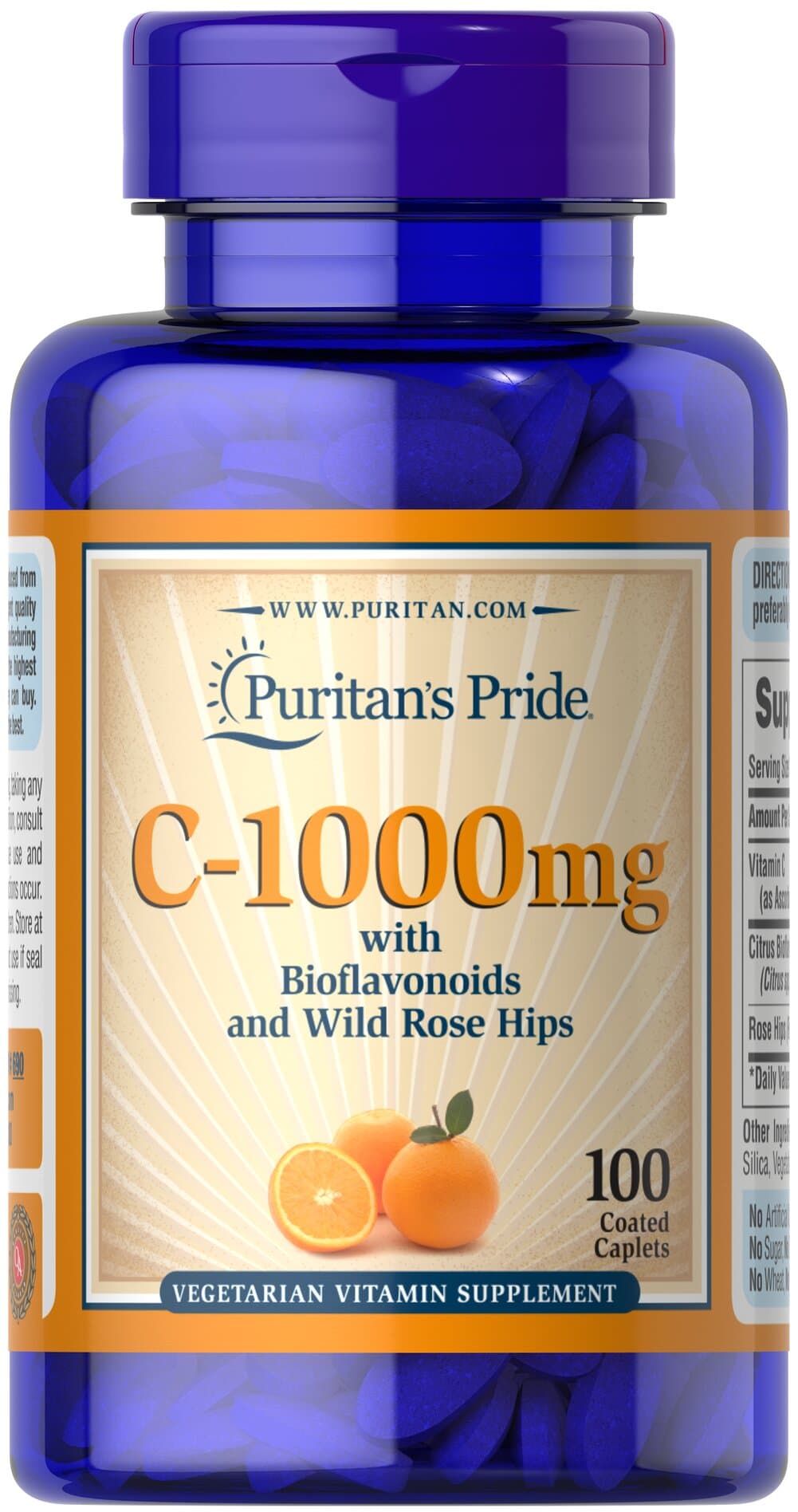
Citrus Bioflavonoid Complex.
A mix of citrus-derived flavonoids (hesperidin, rutin, naringin) that may enhance vitamin C absorption and support circulation. A mix of citrus flavanones, mostly hesperidin and naringin, that supports normal capillary and vein wall integrity and adds antioxidant capacity alongside vitamin C.
Reviewed March 2026
- Category
- Compound
- Also filed under
- May enhance vitamin C activityHesperidin supports vein and capillary healthAntioxidant and anti inflammatoryRutin may reduce bruising
What Citrus Bioflavonoid Complex is, and what it does.
- Does it work
- Suits people on their feet all day, anyone whose legs feel heavy by evening, and vitamin C takers who want the flavonoids that ride along with it in whole fruit.
- How much to take
- 250-500 mg daily of the complex. For specific benefits, look for hesperidin (500 mg) or the Daflon formulation (diosmin 450 mg + hesperidin 50 mg). Generic complexes don't have standardized dosing.
- Time to feel it
- Metabolites peak hours after a dose, since colonic bacteria free them first. Leg comfort changes reported with standardised fractions build across four to eight weeks.
- The first dose
- Nothing perceptible. Bioflavonoids don't produce acute effects you can feel. They're background antioxidants.
- With regular use
- After 4-8 weeks, people taking standardized hesperidin/diosmin may notice reduced leg heaviness and less bruising. For the generic complex? Hard to say without knowing the actual composition.
- How well tolerated
- Well tolerated. These are the same compounds in oranges and lemons. No significant side effects at normal doses. May interact mildly with blood pressure medications.
- How it feels
- You won't feel citrus bioflavonoids working. If you're taking them for vein issues, the improvement is gradual: less leg heaviness, fewer spider veins, easier bruising that slowly gets better.
- The overlooked benefit
- How much you absorb depends on your own gut bacteria removing the sugar first, which is why two people on the same amount end up with very different blood levels.
500 to 1,000mg a day is where Citrus Bioflavonoid Complex works.
Source: Hesperidin and diosmin clinical studies (Daflon 500)
The proof, claim by claim.
These words describe the research, not the molecule's worth. Research strength is how much work stands behind one claim, and it is never a product score.
- Enhances vitamin C absorption
- Improves venous circulation
- Reduces bruising
Questions people ask about Citrus Bioflavonoid Complex.
- Should I take bioflavonoids with my vitamin C?
- It won't hurt and may help slightly with absorption. But the effect is modest. If your vitamin C supplement already includes bioflavonoids, that's enough. No need to add more.
- What's the difference between this and quercetin?
- Quercetin is a specific bioflavonoid with its own evidence base (allergies, inflammation). A 'citrus bioflavonoid complex' is a mix that may include some quercetin but is mostly hesperidin, rutin, and naringin.
- Can bioflavonoids help with spider veins?
- Standardized diosmin/hesperidin (like Daflon) has evidence for venous health and may reduce appearance of spider veins over time. Generic complexes? Less likely to deliver the same results.
- Is eating citrus fruit enough?
- For general antioxidant benefits, yes. If you eat 2-3 citrus fruits daily (including some pith), you're getting a meaningful amount of bioflavonoids. Supplements only matter for targeted therapeutic doses.
- Do I need to worry about the grapefruit drug interaction?
- Only if the product is high in naringin (grapefruit-derived). Hesperidin from oranges and rutin don't cause the same CYP3A4 inhibition. Check the label and your medication list.
- Why are there so many different bioflavonoids?
- There are over 4,000 flavonoids in nature. Each has slightly different properties. The citrus family contributes hesperidin, naringin, rutin, and others. They overlap in function but have individual strengths.
Why these belong in the same formula. Each row says what the basis is, from settled biochemistry through to a trial that measured the pair.
Citrus bioflavonoids come from the same peel fraction as ascorbate and are added to vitamin C products as a matter of course. The flavonoid phenols absorb radical load that would otherwise consume ascorbate.
Ascorbate and citrus flavonoids sit in the same aqueous compartment and regenerate one another's oxidised forms in that setting. This is why the two are almost never sold apart.
Hesperidin is the main flavanone glycoside by weight in a citrus peel complex. The complex is normally standardised against it.
Gut bacteria strip the rutinose sugar from hesperidin to release hesperetin, which is the form that actually enters circulation. The two are precursor and absorbed product.
Naringin is the bitter flavanone of grapefruit and pomelo peel and travels with hesperidin in citrus preparations. It also inhibits intestinal CYP3A4 and OATP transporters, which changes how other compounds taken at the same time are handled.
Naringenin is released when gut bacteria hydrolyse naringin and is the circulating form. The complex contains both the glycoside and the aglycone route to it.
Rutin covers the flavonol class alongside the citrus flavanones and is a standard listed component of a bioflavonoid complex. The two classes have different absorption routes.
Troxerutin is hydroxyethylated rutin, made to raise water solubility and absorption of the parent flavonol. It appears in the same small-vessel formulas as citrus flavonoids.
The micronised diosmin and hesperidin fraction is the reference citrus flavonoid preparation for normal venous and capillary tone. A bioflavonoid complex is usually a broader version of the same material.
Quercetin is the aglycone of rutin and shares the catechol structure that gives citrus flavonoids their radical-quenching and metal-binding behaviour. Blends list them together to widen the class coverage.
Flavonoid hydroxyl and catechol groups bind ferric iron in the gut and form complexes the intestine cannot take up. A flavonoid complex taken with a non-heme iron salt lowers absorption of that iron.
Catechol-bearing flavonoids bind copper as well as iron, which is part of how they act as antioxidants in solution. Taken in the same dose as a copper supplement they can lower how much free copper is available for uptake.
Pine bark procyanidins are oligomeric condensed tannins with different absorption behaviour from citrus flavanone glycosides. Circulation formulas combine the two classes for that reason.
Grape seed proanthocyanidins act on capillary wall integrity through a different structural class from citrus flavanones. The two are conventional companions in vascular support blends.
Flavonoids act mainly in the aqueous phase while tocopherol works inside membranes and lipoproteins, and the flavonoid can reduce the tocopheroxyl radical back to tocopherol. Covering both phases is the chemical argument for the pairing. It describes redox behaviour, a marker-level property, not a clinical result.
Flavonoids with catechol or galloyl groups chelate non-heme iron in the gut lumen and reduce its uptake, the same mechanism behind the tea and iron interaction. This runs opposite to ascorbate, which enhances non-heme iron absorption, so a vitamin C and bioflavonoid blend contains both effects at once. Anyone taking iron for iron status has reason to separate the doses.
Citrus flavonoids inhibit P-glycoprotein efflux and the OATP uptake transporters, and berberine is a P-glycoprotein substrate with notoriously low oral bioavailability. Co-dosing can raise berberine exposure, which changes its dose response in either direction depending on the transporter involved. A pharmacokinetic interaction, not a bigger effect by itself.
Catechins and citrus flavonoids are handled by the same intestinal UGT and SULT enzymes and each inhibits those enzymes at gut concentrations. Combining them shifts the free and conjugated fractions of both. That is exposure, not efficacy, and it is a common reason polyphenol bioavailability data disagree between studies.
Curcumin is cleared almost entirely by glucuronidation and sulfation, and citrus flavonoids inhibit those same enzymes. Stacked in one formula they compete for a shared clearance route. Pharmacokinetics, with no combination outcome data cited.
Hesperidin and naringin are rutinosides and neohesperidosides, and they are barely absorbed intact. Colonic bacterial alpha-rhamnosidase and beta-glucosidase must remove the sugars first, releasing hesperetin and naringenin for uptake. Which organisms a person carries therefore determines how much aglycone appears in plasma after a dose.
A fermentable fibre feeds the colonic bacteria whose glycosidases release flavonoid aglycones from their sugar conjugates. Supporting that community is the indirect route to more consistent flavonoid metabolism. Reasoned from established microbial pharmacology rather than measured for this pair.
Proline is the residue that prolyl hydroxylase converts to hydroxyproline in the ascorbate-dependent step of collagen maturation, which is the biochemistry behind the classic vitamin C and bioflavonoid pairing for connective tissue in vessel walls. The flavonoid contributes on the redox side, the amino acid supplies substrate. Substrate and cofactor logic, not an outcome measurement.
Lysyl hydroxylase, another ascorbate-dependent enzyme, hydroxylates lysine residues before the cross-links that give collagen its tensile strength are formed. Lysine is the substrate for that step and it appears with vitamin C and bioflavonoids in connective tissue formulas for exactly this reason. Established biochemistry, no combination trial.
Collagen peptides deliver the glycine, proline and hydroxyproline-rich fragments that feed collagen turnover, while ascorbate-dependent hydroxylation and flavonoid redox support act on the same maturation process. The pairing is standard in skin and vessel formulas. It rests on shared pathway logic, not on a study of the two together.
Bromelain is a proteolytic enzyme complex from pineapple stem, routinely combined with citrus flavonoids in formulas aimed at swelling after strain. Bromelain's own fibrinolytic and proteolytic activity is well described. The pairing is conventional. Its combined effect has not been measured in the sources cited here.
Centella asiatica triterpenes are used alongside citrus flavonoids in connective tissue and venous formulas, with the triterpene side described for effects on fibroblast collagen synthesis in cell work. The two are combined by convention. Early, and cell-level for the partner.
Ruscus aculeatus root is the third standard component of European venous tone preparations alongside a citrus flavonoid and ascorbate, with its ruscogenins described as acting on adrenergic-mediated venous constriction. It is a conventional trio rather than a tested pair. Early.
Dihydrolipoate regenerates ascorbate and glutathione, both of which sit upstream of flavonoid radical recycling, so lipoic acid supports the same antioxidant network from a different position. This is network chemistry described at the marker level. No human data for the pair.
Nattokinase has documented fibrinolytic activity and flavonoids have mild antiplatelet effects in vitro, so combining them stacks two influences on clotting physiology. That is a caution to flag rather than a benefit to sell, particularly alongside fish oil or any anticoagulant medication. Flagged for the additive direction, not for efficacy.
Flavonoids coordinate divalent metal cations, and while the interaction is far better characterised for iron, zinc binding by polyphenols is described in vitro and could reduce luminal availability. The practical size of the effect for zinc has not been established in people. Weak, and stated as such.
Talk to a doctor before taking Citrus Bioflavonoid Complex if any of these apply to you: Proprietary blends hide individual doses, Individual bioflavonoids better studied separately, Variable composition between brands. These are flags to check first, not effects Citrus Bioflavonoid Complex is known to cause.
Not medical advice. Show the label to your pharmacist.What Citrus Bioflavonoid Complex actually does.
It is a blend of several related citrus compounds rather than one active, and the mix depends on which fruit and which process.
Gut bacteria have to strip the sugars off before the body can absorb them, and what circulates afterwards is mostly a tagged version.
The peak in the blood comes hours later than you would expect, and it differs a lot from person to person.
The exact arrangement of hydroxyl groups sets how strongly each flavonoid mops up radicals and binds metals, and they are not all equal.
Where Citrus Bioflavonoid Complex comes from.
It is made from the peel left over after oranges and lemons are juiced. The peel is dried, the flavonoids are pulled out with alkali or alcohol, then washed and dried into a powder. Because the peel mix and the testing method both vary, two products with the same percentage on the label can contain different things.
Made from a plant. What ends up in the capsule tracks the harvest, so batch testing and a stated marker matter more here than with a made molecule.
Peel, pulp and rag left after juicing oranges, mandarins, lemons and grapefruit. Species mix follows whatever the juice plant ran, which is the first reason composition varies between lots.
Wet peel is pressed and dried quickly to limit enzymatic browning and microbial spoilage, then milled. Drying temperature affects how much of the flavanone glycoside survives intact.
Hesperidin dissolves in dilute alkali, so lime or sodium hydroxide extraction followed by acidification to precipitate the flavonoid is a common industrial route. Ethanol and water extraction is the alternative and gives a broader flavonoid profile.
Acid precipitation drops crude hesperidin out of solution. Washing removes pectin, sugars and limonoid bitter principles, and resin chromatography is used where a higher purity is specified.
Hesperidin can be dehydrogenated to diosmin, or enzymatically glucosylated to glucosyl hesperidin, producing materials that are chemically distinct from the peel constituent they came from.
Total bioflavonoids by a colorimetric method gives a larger number than HPLC against a hesperidin standard, so which method was used changes the figure on the certificate. Named-flavonoid HPLC is the specification a buyer can compare across suppliers.
Dried extract is blended, often directly with ascorbic acid, and compressed or encapsulated.
Which citrus species the peel came from, the ratio of hesperidin to naringin to the other flavanones, and whether the declared percentage is a colorimetric total or an HPLC figure for a named compound are usually all absent from the label.
Getting Citrus Bioflavonoid Complex from food.
The whole-food sources on file. A supplement closes the gap, it does not replace dinner.
A gram-for-gram figure (how much of each you would eat to match a dose) will appear here once it is sourced and reviewed. This page will not print a number it cannot cite.
The forms it comes in.
The essence, in one line each.
- A high-dose vitamin C supplement enriched with citrus bioflavonoids lowered markers of inflammation and platelet activation in the adults studied.Randomised trial. Chrysikopoulou et al., 2025 (Nutrients). PMID 40871671 ↗
- In a randomised trial in adults with elevated blood sugar already taking a glucose-lowering medicine, a citrus flavonoid supplement was reported to improve glycaemic and metabolic markers relative to the comparator. The tested material was a citrus flavonoid preparation, not necessarily an identical bioflavonoid complex.Randomised trial. Cesar T et al., 2025 (Frontiers in Nutrition). PMID 40904779 ↗
- A review of laboratory work on hesperidin and hesperetin describing antiproliferative activity in cultured cell lines and the signalling pathways implicated, together with the poor oral bioavailability that limits translation. The underlying evidence is in vitro and animal, not human.Narrative review. Qi M et al., 2025 (Frontiers in Nutrition). PMID 41415832 ↗
These are the studies our verdict leans on, chosen from the 166 we read for Citrus Bioflavonoid Complex. The full linked list is below.
Problems people have reported.
Read this carefully. These are 30 voluntary, unverified reactions reported to the FDA (openFDA). The number mostly reflects how popular Citrus Bioflavonoid Complex is, not how risky it is. A report is not proof Citrus Bioflavonoid Complex caused anything. It is a signal of what to watch for, nothing more.
Source: openFDA adverse-event reports. Voluntary reporting, not an incidence rate.
FDA Disclaimer: These statements have not been evaluated by the Food and Drug Administration. This information is for educational purposes only and is not intended to diagnose, treat, cure, or prevent any disease. Consult your healthcare provider before starting any supplement regimen.