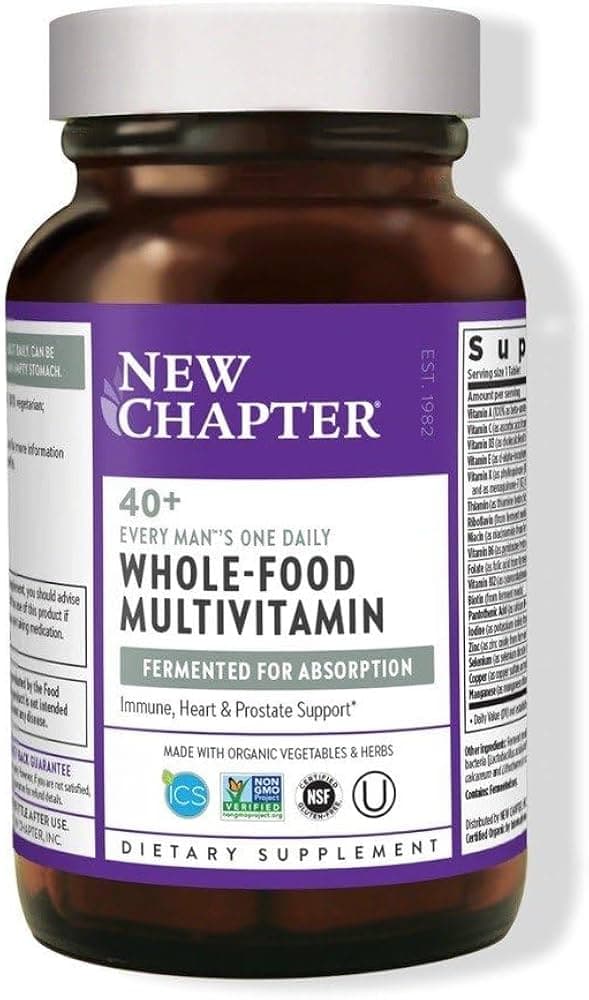
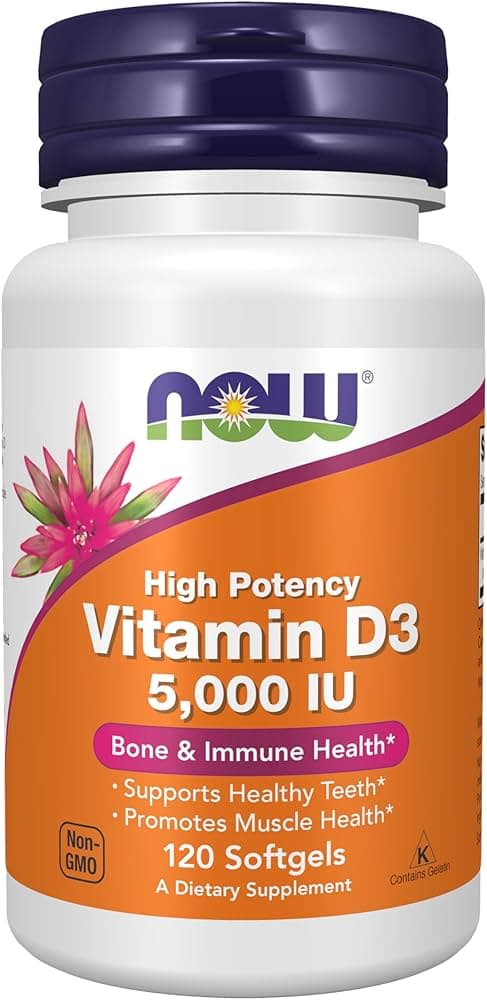
Safflower Oil.
A carrier oil rich in linoleic acid, mostly used to fill softgel capsules and aid fat-soluble nutrient absorption. Dissolves and delivers fat-soluble nutrients in softgels.
Reviewed March 2026
- Category
- General
- Also filed under
- Helps dissolve and deliver fat soluble nutrientsSource of linoleic acid (omega 6)
What Safflower Oil is, and what it does.
- Does it work
- It is not bought for itself. It suits formulas that need fat-soluble nutrients delivered in solution, and in the kitchen it is a major source of linoleic acid.
- How much to take
- There is no dose figure on record for it as a supplement. In a softgel it is the carrier, present in whatever amount dissolves the actives beside it.
- Time to feel it
- As a carrier it does its job during digestion, within an hour or two, by carrying fat-soluble nutrients into the same micelles they need. It has no onset of its own.
- The first dose
- What happens on day one is chemical: the oil holds the fat-soluble actives in solution so they absorb during that first digestion.
- With regular use
- In softgel amounts it adds a small amount of linoleic acid to your day. As a kitchen oil in larger amounts it is one of the richest dietary sources of it.
- How well tolerated
- Well tolerated. Capsule amounts are small, and anyone with a known safflower or daisy family allergy should read the label.
- How it feels
- No taste or sensation of its own inside a capsule. Its work is keeping the actives dissolved until your gut absorbs them.
- The overlooked benefit
- Two very different oils share this name: one high in linoleic acid, one high in oleic acid, and you cannot tell them apart by eye. The label is what decides which you get.
The proof, claim by claim.
These words describe the research, not the molecule's worth. Research strength is how much work stands behind one claim, and it is never a product score.
- Effective carrier oil
Why these belong in the same formula. Each row says what the basis is, from settled biochemistry through to a trial that measured the pair.
High linoleic safflower oil is one of the most concentrated dietary sources of linoleic acid, so the oil is simply the delivery form of that fatty acid.
Polyunsaturated fatty acids are prone to peroxidation, and alpha-tocopherol is the chain breaking antioxidant that intercepts the lipid peroxyl radicals. Vitamin E need rises as polyunsaturated intake rises.
Linoleic acid from safflower oil is converted to gamma-linolenic acid by delta-6 desaturase, which is the rate limiting step. Supplying gamma-linolenic acid directly bypasses that bottleneck.
Linoleic acid runs through desaturation and elongation to arachidonic acid, so safflower oil feeds the same omega-6 chain that arachidonic acid sits at the end of.
Linoleic acid and alpha-linolenic acid compete for the same delta-6 desaturase and elongase enzymes. A large linoleic load from safflower oil lowers the fraction of alpha-linolenic acid that is carried forward.
Alpha-linolenic acid shares its desaturation and elongation enzymes with linoleic acid, so the ratio of the two in a formula sets which chain gets the enzyme capacity.
Omega-6 and omega-3 fatty acids compete for the same desaturases and for cyclooxygenase and lipoxygenase, so heavy linoleic intake shifts the membrane fatty acid mix away from the long chain omega-3s that fish oil supplies.
Linoleic acid occupies the same desaturase and oxygenase enzymes that handle eicosapentaenoic acid, so a high omega-6 background lowers the proportion of EPA derived mediators formed.
Supplemental conjugated linoleic acid is made by alkaline isomerisation of the linoleic acid in safflower oil, so the oil is the direct chemical starting material.
Lutein is fat soluble and needs dietary long chain fat to form mixed micelles in the small intestine. An oil vehicle such as safflower oil raises the fraction that gets absorbed.
Carotenoid uptake depends on micellar solubilisation in the gut, which requires co-ingested fat. Safflower oil provides that lipid phase.
Lycopene is highly lipophilic and poorly absorbed without fat. Dispersing it in an oil such as safflower oil supports its incorporation into micelles and chylomicrons.
Astaxanthin is a fat soluble xanthophyll whose uptake tracks with the fat content of the meal or softgel it is delivered in, which is why oil carriers are standard.
Retinyl esters need bile and dietary fat for micelle formation and lipase action before uptake, so an oil vehicle supports absorption.
Cholecalciferol is absorbed through the same micellar route as dietary lipid, so it is normally dissolved in an oil such as safflower oil for delivery.
Coenzyme Q10 is a large lipophilic quinone with poor water solubility. Dissolving or suspending it in an oil raises the amount presented in a micellar form the gut can take up.
Curcumin is practically insoluble in water, and an oil phase helps disperse it and supports micellar uptake alongside dietary lipid.
Rosemary extract carnosic acid and carnosol are the standard plant antioxidants used to slow peroxidation of polyunsaturated oils during processing and storage.
Linoleic acid, the dominant fatty acid in standard safflower oil, and alpha-linolenic acid compete for the same delta-6 desaturase and elongase steps that lead to long-chain products. A high linoleic intake therefore reduces conversion toward DHA. Supplying preformed DHA sidesteps that competition entirely, which is why the two are discussed together.
Krill oil delivers EPA and DHA largely in phospholipid form, bypassing the desaturase pathway that a high linoleic load crowds. On the formulation side, safflower oil is a frequent comparator oil in trials of marine oils. The competition is at the enzyme level and applies to conversion, not to absorption of the preformed fatty acids.
Safflower oil supplies linoleic acid, which the delta-6 desaturase step converts to gamma-linolenic acid. Evening primrose oil supplies that gamma-linolenic acid preformed. Combining them puts material into the same pathway at two points, before and after the rate-limiting enzyme. The two appear together in the fatty acid literature for exactly this reason.
Dietary triglycerides need emulsification before pancreatic lipase can act, and phospholipids are the emulsifiers that do it at the oil-water interface. In a softgel or emulsion, phosphatidylcholine keeps a safflower oil phase dispersed. Both roles are ordinary lipid handling rather than a special effect of either ingredient.
Medium-chain triglycerides are hydrolysed rapidly and their fatty acids move directly into the portal circulation without needing chylomicron packaging, while safflower oil's long-chain fatty acids take the lymphatic route. Blending the two gives a vehicle with two absorption kinetics. Formulators choose the ratio for that reason, not for an additive effect.
Caprylic acid is the C8 medium-chain fatty acid that dominates fractionated MCT, and it behaves in the same portal-route way described for MCT blends. Paired with a long-chain oil it changes the overall absorption profile of the fat in the capsule. This is vehicle behaviour, not an interaction between actives.
Phylloquinone is fat-soluble and its absorption depends on incorporation into mixed micelles, which requires dietary fat present at the same time. A triglyceride vehicle such as safflower oil provides that fat directly in the capsule. Softgel formats exist largely because of this dependence.
Menaquinone-7 has a long isoprenoid tail and is more lipophilic than phylloquinone, so micellar incorporation matters even more for it. Dissolving it in a triglyceride oil is standard practice for softgels and liquid drops. The oil is a carrier, and which oil is used is a stability and taste decision rather than an activity one.
Xanthophyll carotenoids are absorbed only as part of mixed micelles, and human work consistently shows carotenoid uptake rising when fat is eaten in the same meal. A safflower oil carrier supplies that fat inside the capsule. The same applies to the lutein it is usually paired with.
Plant sterols dissolve in the oil phase and compete with cholesterol for space in mixed micelles, which is the accepted mechanism behind their effect on cholesterol absorption. A vegetable oil vehicle both dissolves them and supplies its own native sterol fraction. Safflower oil is itself a natural source of plant sterols.
Tocotrienols are fat-soluble and are supplied dissolved in a carrier oil in almost every commercial format. Safflower oil serves that role and its own tocopherol content contributes to the oxidative stability of the fill. Note that tocotrienol and tocopherol uptake can compete at high combined doses.
In topical formats both act as emollient carriers, squalane as a saturated hydrocarbon with high oxidative stability and safflower oil as a linoleate-rich triglyceride. Blending them balances spreadability against the oxidation risk that a polyunsaturated oil carries alone. This is formulation practice, not a physiological interaction.
Talk to a doctor before taking Safflower Oil if any of these apply to you: High omega-6 content (inflammatory in excess), Amounts in supplements are negligible. These are flags to check first, not effects Safflower Oil is known to cause.
Not medical advice. Show the label to your pharmacist.What Safflower Oil actually does.
Standard safflower oil is one of the richest common food sources of linoleic acid, usually seventy to eighty percent of its fat, with the rest mostly oleic acid and small amounts of other fats.
A different variety of safflower flips that ratio, running mostly oleic acid with only a little linoleic acid. The two oils share a name and plant but behave differently in cooking and in formulas.
Linoleic acid is essential because your body can't build it from scratch. It has to come from food, and it's the starting point for a whole family of related fats.
An enzyme converts linoleic acid step by step into other related fats, including arachidonic acid. That same enzyme also handles a different essential fat, so the two families compete for its attention.
Where Safflower Oil comes from.
Safflower seeds are pressed for their oil, which is then cleaned up until it is pale and has no flavour. Two very different oils come out of the same plant depending on the variety grown, one high in linoleic acid and one high in oleic acid, and you cannot tell them apart by looking. Because cleaning the oil also removes its natural protection against going rancid, vitamin E or rosemary extract is usually added back.
Made from a plant. What ends up in the capsule tracks the harvest, so batch testing and a stated marker matter more here than with a made molecule.
Safflower is grown mainly in India, Kazakhstan, the United States, Mexico and Argentina. The seed carries roughly a third of its weight as oil
Seed is cleaned, dehulled to varying degrees and heated to soften the cell structure before pressing
Mechanical screw pressing yields the cold-pressed or expeller grade. The residual cake is often extracted with hexane to recover the rest, and the two streams are then handled separately
Degumming and alkali refining remove phospholipids and free fatty acids, bleaching clay removes pigments and oxidation products, and steam deodorisation strips volatiles. This is what makes the oil neutral
Chilling and filtering removes waxes that would cloud the oil, and gas chromatography confirms the fatty acid profile that distinguishes a high-linoleic from a high-oleic lot
Tocopherols or rosemary extract are added, and the oil is filled under nitrogen into softgels, bottles or an emulsion base
Getting Safflower Oil from food.
The whole-food sources on file. A supplement closes the gap, it does not replace dinner.
A gram-for-gram figure (how much of each you would eat to match a dose) will appear here once it is sourced and reviewed. This page will not print a number it cannot cite.
The forms it comes in.
The essence, in one line each.
- Changing dietary linoleic acid intake, the main fatty acid in safflower oil, shifted lipoxygenase derived oxylipin levels in adults.Randomised trial. Sergeant et al., 2026 (Nutrients). PMID 42280457 ↗
- A crossover trial comparing plant n-6 with marine n-3 oils did not detect a clear difference in most circulating inflammatory markers, which is a failure to detect a difference rather than proof there is none.Randomised trial. Grytten et al., 2025 (Journal of lipid research). PMID 40058591 ↗
- Feeding safflower seed was associated with differences in growth performance, meat quality measures and blood parameters in broiler chickens.Animal study. Rathaur et al., 2024 (Tropical Animal Health and Production). PMID 38411734 ↗
- Safflower oil supplementation was associated with better nerve recovery measures after an experimental sciatic nerve crush in rats.Animal study. Li et al., 2025 (Nutritional Neuroscience). PMID 40377982 ↗
- Dietary safflower seed oil was associated with differences in growth and physiological parameters in rainbow trout compared with the control diet.Animal study. Bayir et al., 2026 (Journal of Fish Biology). PMID 41539651 ↗
- The authors characterise the physicochemical properties of protein isolated from safflower seed meal, the residue left after oil pressing, and how processing changes them.In vitro study. Yang et al., 2026 (Foods). PMID 41683179 ↗
- The review assessed enteral lipid supplements in infants receiving intravenous nutrition and reports the certainty of the available evidence as limited. Safflower oil appears among the lipid sources named in the included literature.Systematic review. Premkumar et al., 2026 (Cochrane Database of Systematic Reviews). PMID 41609005 ↗
- The review concludes that excess body weight and metabolic dysregulation blunt the anabolic response to protein and resistance exercise. Safflower oil is named only as a comparator lipid within the literature reviewed.Narrative review. Nilsson et al., 2024 (Nutrients). PMID 39771028 ↗
- Abomasal fatty acid supplementation during late gestation and early lactation was associated with changes in jejunal fatty acid composition in dairy cattle.Animal study. Liermann et al., 2026 (Journal of Dairy Science). PMID 41819177 ↗
These are the studies our verdict leans on, chosen from the 2,138 we read for Safflower Oil. The full linked list is below.
The studies, linked.
8 sources behind our Safflower Oil verdict: peer-reviewed studies and registered clinical trials. Every one links straight to PubMed, the journal, or ClinicalTrials.gov. Read them yourself.
- Clinical trialDietary Linoleic Acid for Secondary Prevention of Coronary Heart Disease and Death in the Sydney Heart Study: a Randomized Controlled Dietary TrialClinicalTrials.gov ↗458 participants, Completed
- Clinical trialEvaluation of the Relationships of Time and Dose of Eicosapentaenoic Acid and Stearidonic Acid to the Changes in Eicosapentaenoic Acid Levels in Red Blood CellsClinicalTrials.gov ↗137 participants, Completed
- Clinical trialCombining Fish Oil and Exercise to Improve Obesity-associated InflammationClinicalTrials.gov ↗129 participants, Completed
- Clinical trialA 12-Week, Randomized, Double-Blind, Placebo-Controlled Evaluation of the Benefits of FloraGLO™ Lutein on Skin HealthClinicalTrials.gov ↗60 participants, Completed
- Clinical trialStudy of Effect of Docosahexaenoic Acid (DHA) and Eicosapentaenoic Acid (EPA) Supplementation on Biomarkers of Sub-Concussion Injuries in American FootballClinicalTrials.gov ↗38 participants, Completed
- Clinical trialHealthy Oils for Women: Reducing Visceral Adipose Tissue in Women with Metabolic Syndrome (HOW Study)ClinicalTrials.gov ↗18 participants, Completed
- Clinical trialAddressing Diet-Induced Health Disparities With Precision Nutrition and Omega-3 Fatty AcidsClinicalTrials.gov ↗Phase 2, 200 participants, Recruiting
- Clinical trialPilot: Combining Fish Oil and Exercise to Improve Obesity-Associated InflammationClinicalTrials.gov ↗Withdrawn
Evidence surfaced via Semantic Scholar (Allen Institute for AI) and ClinicalTrials.gov. Ranked by study type and citation weight, not cherry-picked.
Problems people have reported.
Read this carefully. These are 186 voluntary, unverified reactions reported to the FDA (openFDA). The number mostly reflects how popular Safflower Oil is, not how risky it is. A report is not proof Safflower Oil caused anything. It is a signal of what to watch for, nothing more.
Source: openFDA adverse-event reports. Voluntary reporting, not an incidence rate.
FDA Disclaimer: These statements have not been evaluated by the Food and Drug Administration. This information is for educational purposes only and is not intended to diagnose, treat, cure, or prevent any disease. Consult your healthcare provider before starting any supplement regimen.