Soy Lecithin.
Supplies phosphatidylcholine, a source of choline your body uses for cell membranes, acetylcholine and methyl donation, and it emulsifies fats so oily actives mix and stay mixed.
Reviewed March 2026
- Category
- Phospholipid
What Soy Lecithin is, and what it does.
- Does it work
- Suits people whose diet is light on eggs and liver, and any formula carrying fat-soluble actives that need an emulsifier. Big egg eaters already get plenty of this phospholipid.
- How much to take
- Start with 500mg to 2,000mg a day. That band is where the choline contribution and the emulsifying work sit, and the 5,000mg used in trials is a research condition.
- Time to feel it
- Choline status responds across a few weeks and reads on a blood panel. The emulsifying work starts with the first serving, inside the capsule and in the gut.
- The first dose
- Day one is quiet. Pancreatic phospholipase is splitting the phospholipid so it can be absorbed as a lyso-form, which is plumbing rather than sensation.
- With regular use
- Weeks of daily use raise plasma choline and its metabolite betaine, which support normal membrane synthesis and normal homocysteine remethylation.
- How well tolerated
- Well tolerated, with mild loose stools the usual complaint at the upper end. Anyone avoiding soy should read the label, though refined lecithin carries very little protein.
- How it feels
- Most people feel nothing directly. What changes shows up in a choline reading and in how evenly the fat-soluble ingredients beside it disperse.
- The overlooked benefit
- Phosphatidylcholine is a structural part of bile and of the particles the liver uses to export fat, so it takes part in normal lipid transport, not just membrane building.
500 to 2,000mg a day is where Soy Lecithin works.
Source: Stough et al., Nutr Neurosci, 2001; phosphatidylcholine content (20-25% of lecithin)
The proof, claim by claim.
These words describe the research, not the molecule's worth. Research strength is how much work stands behind one claim, and it is never a product score.
- Dietary choline supplyNarrative review
- Emulsification of fats and fat-soluble compoundsNarrative review
- Normal lipid transport through hepatic VLDL assemblyNarrative review
- Homocysteine remethylation through betaineRandomised trial
- Choline status in people with low dietary intakeRandomised trial
Questions people ask about Soy Lecithin.
- When should I take it?
- Timing matters less than consistency. Pick a time that works for you and take it daily.
- Can I take it with other supplements?
- Usually fine. The main thing to watch is not doubling up on the same ingredient from different products. If you're on prescription meds, check with your pharmacist first.
- Any side effects to watch for?
- Most people tolerate it well at recommended doses. GI upset is the most common complaint with any supplement. Start with a lower dose and work up. If something feels off, stop and reassess.
- Who benefits most from this?
- People who've already covered the basics (diet, sleep, exercise) and want to fine-tune. It's not essential, but could be worthwhile for the right person.
Why these belong in the same formula. Each row says what the basis is, from settled biochemistry through to a trial that measured the pair.
Commercial phosphatidylcholine has long been fractionated from soy lecithin. The lecithin and the purified fraction deliver the same molecule at different concentrations.
Soy lecithin contains phosphatidylinositol alongside phosphatidylcholine and phosphatidylethanolamine. The isolated inositol phospholipid is a concentrate of a fraction already present.
Digestive phospholipases release choline from phosphatidylcholine, so soy lecithin feeds the same body pool as a free choline salt. Release is slower and steadier from the phospholipid.
Soy phospholipids are the carrier in the phytosome approach, where curcuminoids are complexed with phosphatidylcholine so the particle presents a lipid surface to the intestinal membrane rather than a poorly wetted crystal.
Carotenoid uptake depends on partitioning into mixed micelles with bile salts and phospholipids. Lecithin supplies the phospholipid side of that micelle, which is why it is a routine excipient in carotenoid softgels.
Citicoline is the direct intermediate the Kennedy pathway uses to build phosphatidylcholine. Lecithin supplies the finished phospholipid while citicoline supplies the intermediate one step upstream.
The PEMT route builds phosphatidylcholine by transferring three methyl groups from S-adenosylmethionine, which folate helps regenerate. Dietary lecithin lowers how heavily that methyl-consuming route is used.
Lecithin phospholipids are one of the two structural components of an intestinal mixed micelle, bile salts being the other. Where bile delivery is limited, the emulsifying contribution of dietary phospholipid does not get completed into micelles. The relationship is textbook lipid digestion, described here as physiology rather than as a tested supplement pairing.
Intact phosphatidylcholine is not absorbed as such. Phospholipase A2 removes one acyl chain, and the resulting lyso-phosphatidylcholine is taken up and re-acylated inside the enterocyte. Pancreatic enzyme activity therefore sits directly upstream of what lecithin delivers.
Vitamin D3 is lipophilic and needs a lipid vehicle and micelle formation to reach the enterocyte membrane. Lecithin is a standard emulsifier used to disperse it in softgels and emulsions. The absorption principle is established. The size of the gain depends on the specific formulation and dose.
MK-7 partitions into fat and travels in lipoproteins, so it is poorly absorbed from a dry powder taken without lipid. Lecithin provides both the lipid and the emulsifier in one excipient. This is formulation physiology rather than a clinical outcome claim.
Soy lecithin is rich in linoleic acid, which oxidises readily and gives lecithin its characteristic off-odour when it degrades. Tocopherol is a standard chain-breaking antioxidant added to slow that. The benefit is to the material's stability, and it is also the reason lecithin improves tocopherol dispersion in return.
Retinyl esters are hydrolysed at the brush border and the released retinol enters the enterocyte from a mixed micelle. Lecithin contributes to forming that micelle and keeps the vitamin dispersed in the dosage form. Established physiology, stated as absorption support and not as an outcome.
Lutein is a lipophilic pigment whose absorption rises when it is delivered with fat and an emulsifier rather than as a dry crystal. Lecithin-based dispersions are a common formulation answer. The mechanism is well established for carotenoids as a class.
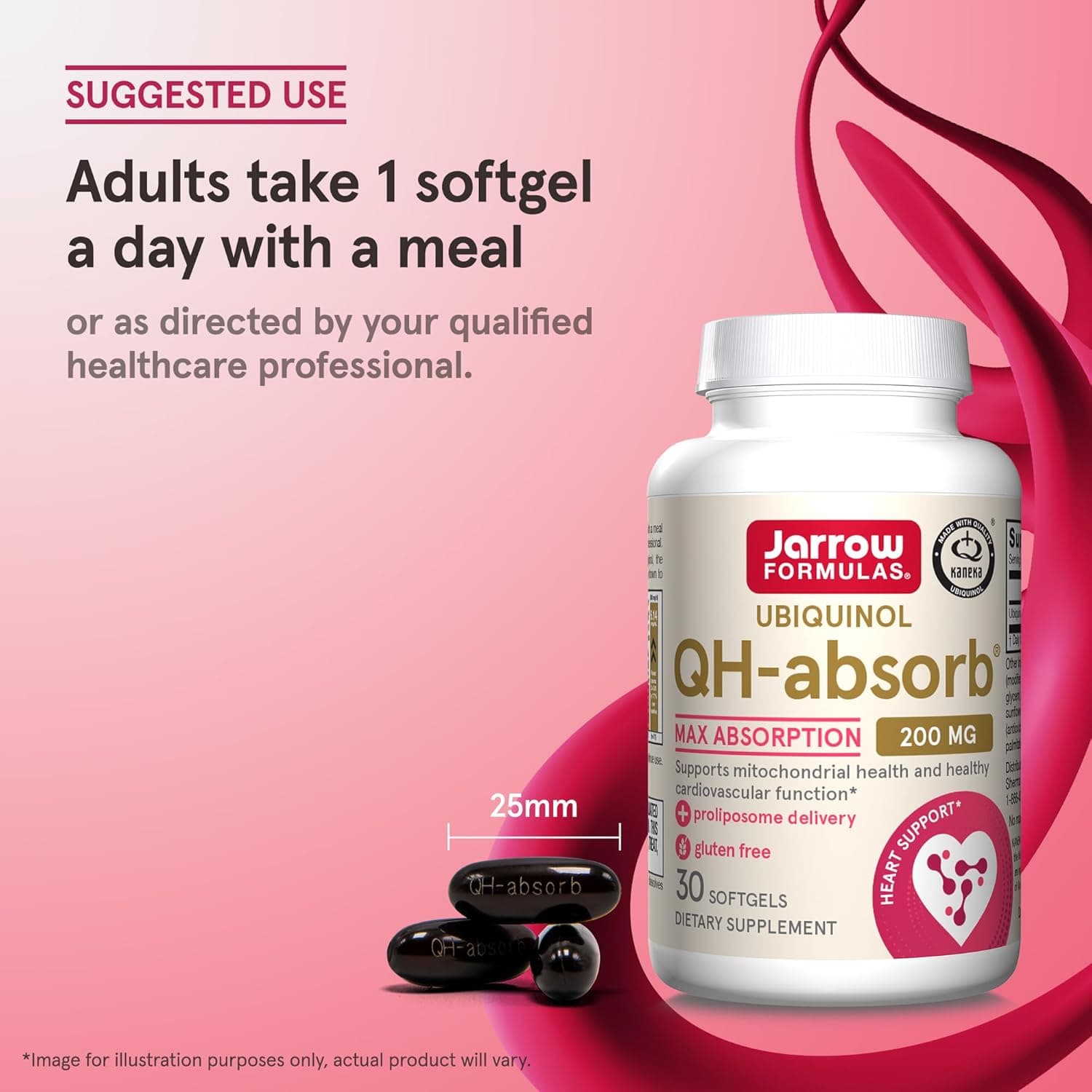
Solid crystalline ubiquinone dissolves very poorly in intestinal fluid, which is the rate-limiting step for its absorption. Lecithin-containing oil dispersions and phospholipid complexes keep it in solution. This is a formulation-level statement about dissolution, not a claim about a clinical endpoint.
Lecithin is an emulsifier that keeps fish oil dispersed in emulsions and reduces phase separation. Both materials carry oxidation-prone chains, so an antioxidant system is needed for the pair rather than for either alone. The point is formulation stability and dispersion.
Medium-chain triglycerides dissolve lipophilic actives and disperse readily, and lecithin lowers interfacial tension so the droplets stay fine. Together they form the base of many self-emulsifying delivery systems. The claim is about the vehicle, not about either ingredient's own activity.
Lecithin-derived phosphatidylcholine feeds the choline pool, part of which is oxidised in liver and kidney to betaine. Betaine itself supplies the methyl group in the BHMT route of homocysteine remethylation, so supplying it directly spares choline for its structural roles. Supporting normal homocysteine metabolism is the structure-function frame. No combination trial in this candidate set tested the pair.
Homocysteine is remethylated either by B12-dependent methionine synthase using 5-methyltetrahydrofolate, or by BHMT using betaine derived from choline. Because lecithin supplies choline, it supports the second route while B12 supports the first. That parallel structure is settled biochemistry. It is a description of the pathway, not a measured clinical effect.
When folate-dependent remethylation is constrained, more homocysteine is handled through the choline-betaine route, and the same shift runs in the other direction as well. Lecithin-derived phosphatidylcholine is one of the main dietary contributions to that choline pool. The interdependence is well established. How much a given lecithin dose shifts the balance in people is not established.
Silymarin dissolves badly in water, which limits how much reaches the enterocyte. Complexing it with phospholipid changes its dispersion behaviour and is the basis of the phospholipid-complex products in this category. The claim is about the delivery system for the partner, not about lecithin having that activity itself.
Quercetin aglycone is close to insoluble in water, so dissolution governs its absorption. Lecithin-based complexes and dispersions improve wetting and keep it from recrystallising in the dosage form. This is a delivery observation, and the size of the effect depends on how the complex is made.
Nothing specific on file for Soy Lecithin. Match the label to the daily amount above, and tell your doctor what you take.
Not medical advice. Show the label to your pharmacist.What Soy Lecithin actually does.
Soy lecithin isn't one thing, it's a mix of fat-like molecules (mostly phosphatidylcholine and its relatives) plus small amounts of leftover soy oil, sterols and carbs.
Its fat chains are mostly a type that oxidizes easily, which is why finished lecithin needs an antioxidant added and a shelf-life spec set.
Each of these fat molecules has a water-loving end and a fat-loving end, so they naturally arrange themselves into membranes and tiny bubbles when mixed with water.
Your pancreas clips off part of the molecule during digestion, and the smaller piece gets absorbed and rebuilt inside your gut lining rather than passing through whole.
Getting Soy Lecithin from food.
The whole-food sources on file. A supplement closes the gap, it does not replace dinner.
A gram-for-gram figure (how much of each you would eat to match a dose) will appear here once it is sourced and reviewed. This page will not print a number it cannot cite.
The forms it comes in.
The essence, in one line each.
- In a randomised comparison in people, soy-derived lysophosphatidylcholine and glycerophosphocholine both raised circulating choline-related compounds, with different absorption timing between the two forms.Randomised trial. Tanaka-Kanegae et al., 2024 (Bioscience, biotechnology, and biochemistry). PMID 38490741 ↗
- A placebo-controlled trial of five common dietary emulsifiers, lecithin among them, did not detect differences in markers of gut inflammation, intestinal permeability or the gut microbiome over the study period.Randomised trial. Wellens et al., 2026 (Clinical gastroenterology and hepatology). PMID 40816342 ↗
- Dietary deoiled soy lecithin supplementation changed circulating choline and choline metabolite concentrations in lactating cows, which is direct evidence that soy lecithin functions as a delivered choline source.Animal study. Wang et al., 2021 (Journal of Dairy Science). PMID 33246625 ↗
- Dietary deoiled soy lecithin was assessed for milk production and fatty acid digestibility in lactating cows, testing the emulsifier role of the phospholipid in a whole-diet setting.Animal study. Fontoura et al., 2021 (Journal of Dairy Science). PMID 33246607 ↗
- Soy lecithin fed to beef cows before calving was examined for its effect on colostrum composition and serum total protein. The endpoints are compositional measures in cattle, not human outcomes.Animal study. Wojtas et al., 2020 (Animals). PMID 32353953 ↗
- Soy lysolecithin, the enzyme-modified derivative, attenuated elevated blood pressure and behavioural changes in mice fed a high-salt diet through a receptor-linked mechanism. A rodent result for a modified form, with no human counterpart in this set.Animal study. Kubota et al., 2026 (Neurochemistry International). PMID 42140560 ↗
- Soy lecithin-derived nanoliposomes were developed and evaluated as a plant-based alternative to an egg-yolk-based extender, demonstrating soy lecithin's capacity to form stable liposomal bilayers.In vitro study. Gunawan et al., 2025 (Veterinary World). PMID 41472758 ↗
- Nanoemulsions built with soy lecithin as the surfactant preserved cell viability measures in the tested system, illustrating the emulsifier and interfacial role of the phospholipid mixture.In vitro study. de Oliveira et al., 2025 (Animal Reproduction). PMID 41112083 ↗
- In a randomised trial of maternal docosahexaenoic acid supplementation, the investigators did not detect constriction of the fetal ductus arteriosus. Soy lecithin appears in the report as a formulation component rather than as the tested variable, and a failure to detect a difference is not evidence that none exists.Randomised trial. Zielinsky et al., 2024 (Ultrasound in Obstetrics and Gynecology). PMID 38214544 ↗
- Different dietary lipid sources, soy lecithin among them, were compared for growth and lipid-metabolism measures in juvenile largemouth bass. A species-specific feeding study with no human read-across.Animal study. Zhou et al., 2026 (Fish Physiology and Biochemistry). PMID 42101526 ↗
These are the studies our verdict leans on, chosen from the 1,403 we read for Soy Lecithin. The full linked list is below.
Problems people have reported.
Read this carefully. These are 144 voluntary, unverified reactions reported to the FDA (openFDA). The number mostly reflects how popular Soy Lecithin is, not how risky it is. A report is not proof Soy Lecithin caused anything. It is a signal of what to watch for, nothing more.
Source: openFDA adverse-event reports. Voluntary reporting, not an incidence rate.
FDA Disclaimer: These statements have not been evaluated by the Food and Drug Administration. This information is for educational purposes only and is not intended to diagnose, treat, cure, or prevent any disease. Consult your healthcare provider before starting any supplement regimen.