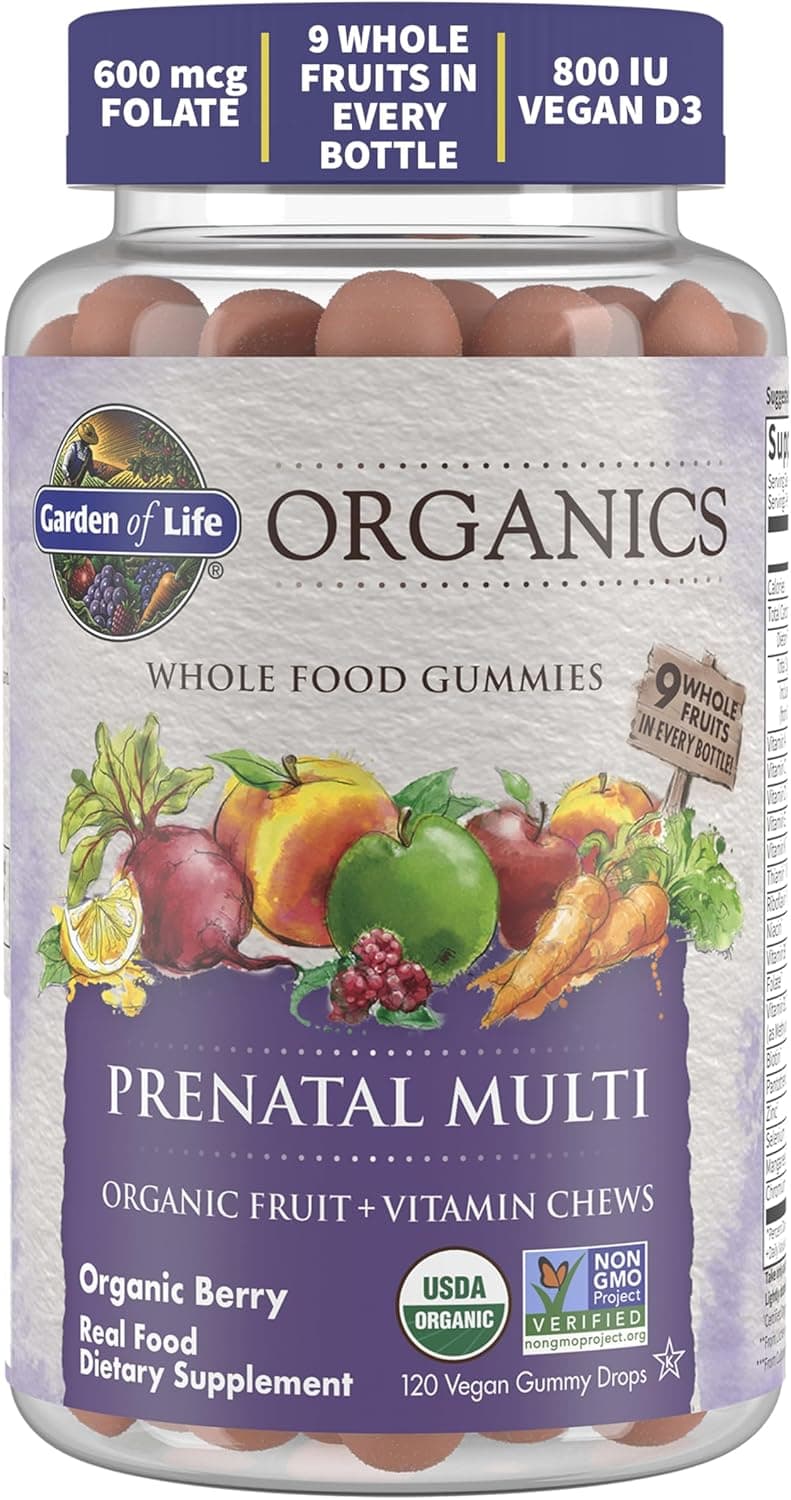
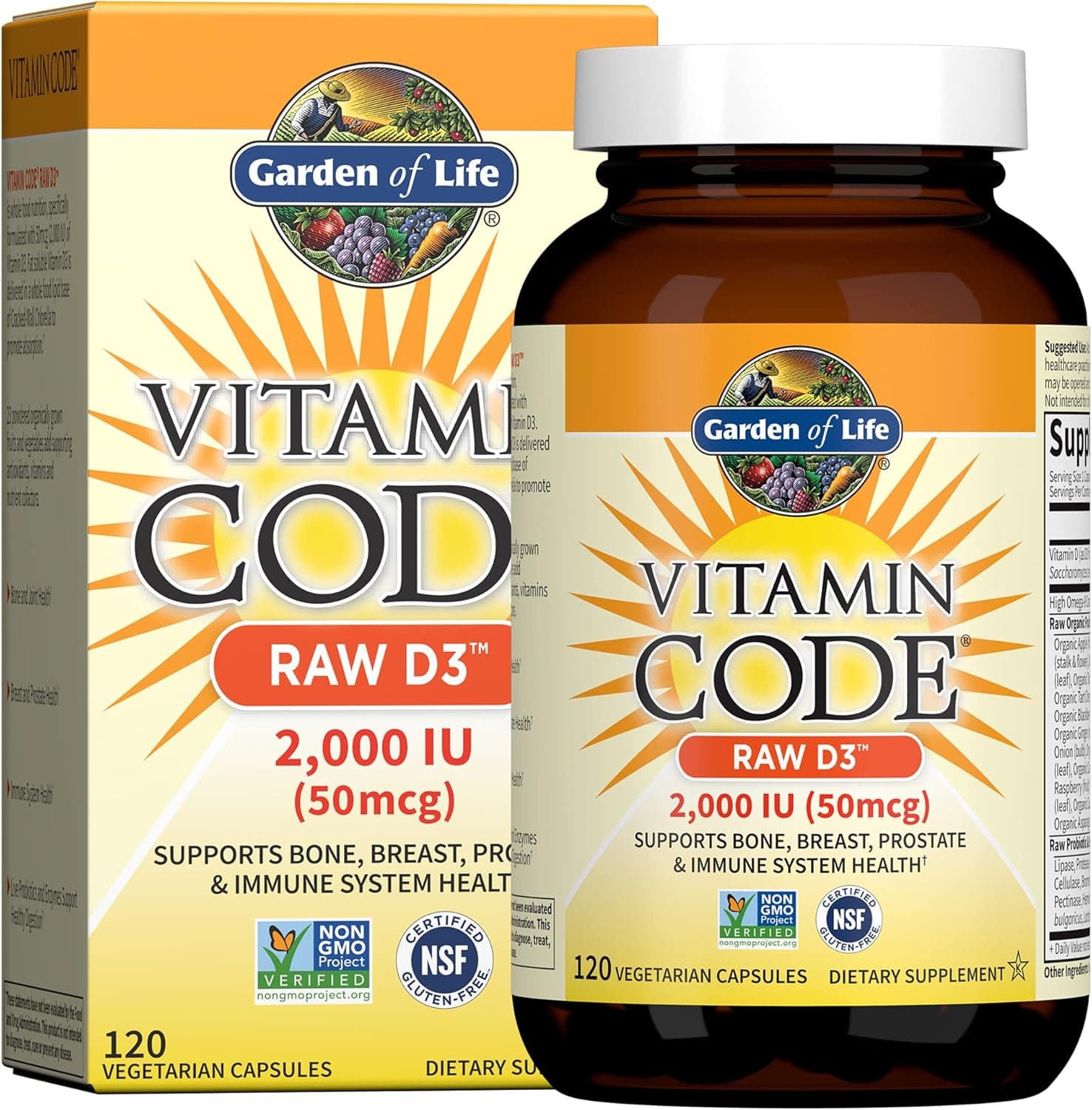
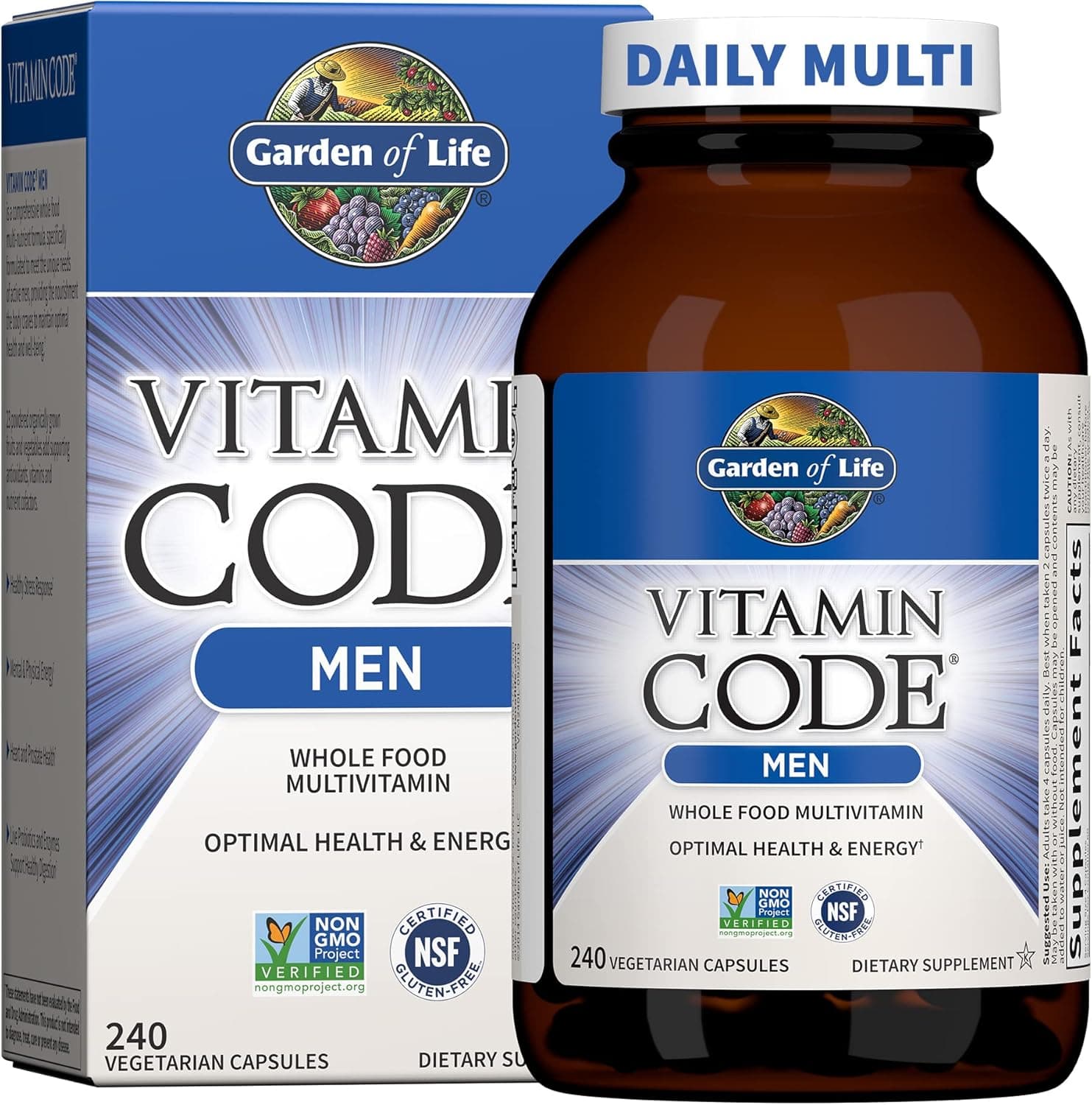
Green Onion.
An allium vegetable that provides prebiotic fibers and quercetin for immune support. Fructans feed beneficial gut bacteria. Quercetin provides anti-inflammatory and antihistamine effects. Organosulfur compounds support immune function.
Reviewed March 2026
- Category
- General
- Also filed under
- Prebiotic fiberQuercetin sourceImmune support
What Green Onion is, and what it does.
- Does it work
- As food seasoning, great. As a supplement ingredient? It's label padding. No clinical evidence supports green onion extract.
- How much to take
- No established dose for supplement use. Just use them in cooking.
- Time to feel it
- Nobody has measured a timeline for green onion as a supplement. Fructan effects on gut bacteria are usually looked at across two to four weeks of daily intake.
- The first dose
- Day one passes without a sensation from a seasoning-sized amount. The fructans reach the colon within hours and start feeding bacteria there, which some people register as a little extra gas.
- With regular use
- No evidence of long-term benefit from supplemental green onion.
- How well tolerated
- Well tolerated. People eat green onions daily worldwide.
- How it feels
- Nothing dramatic on the surface. Where it shows up is the gut: fructans feed the bacteria there, and some people notice more gas in the first week while that shifts.
- The overlooked benefit
- The green tops hold vitamin K1 in their chloroplasts, so the leaf contributes far more of it than the white stem. Which part went into the jar changes what you get.
The proof, claim by claim.
These words describe the research, not the molecule's worth. Research strength is how much work stands behind one claim, and it is never a product score.
- Contains quercetin and prebiotic fructans
- No clinical trials as supplement extract
- Allium family benefits documented for garlic and onions as food
Questions people ask about Green Onion.
- Why is green onion in my supplement?
- To make the whole-food blend ingredient list look more diverse. It's not providing any meaningful health benefit at supplement doses.
- Isn't garlic better?
- For health benefits, yes. Garlic has way more clinical evidence and more active organosulfur compounds. If you want allium health benefits, garlic is the winner.
- Are the prebiotics useful?
- Green onions contain fructans that feed gut bacteria, but the amounts in a supplement are tiny. Chicory root, inulin, or FOS supplements are much better prebiotic sources.
- Can I use green onions as medicine?
- Traditional medicine used them for colds, but there's no modern clinical evidence. Just enjoy them as food.
- Raw or cooked?
- For maximum quercetin and prebiotic content, raw is slightly better. But the difference is small. Use them however you like.
- How much should I eat for health?
- There's no specific recommendation for green onions. Eating allium vegetables (onions, garlic, leeks) regularly as part of your diet is broadly beneficial.
Why these belong in the same formula. Each row says what the basis is, from settled biochemistry through to a trial that measured the pair.
Green onion tops carry phylloquinone, the same form of vitamin K1 used to carboxylate clotting factors and osteocalcin. Intake adds to supplemental vitamin K1 and moves normal clotting factor activity in the same direction.
Allium fistulosum carries quercetin glucosides that are hydrolysed at the brush border and absorbed as the same aglycone. Total flavonol exposure is additive with supplemental quercetin, and both draw on the same sulfation and glucuronidation capacity.
Both are alliums whose cut tissue generates propyl and allyl thiosulfinates that modulate platelet aggregation in the normal range. Combined intake pushes on the same pathway, so the effect on normal clotting is additive.
Allium organosulfur compounds and the vegetable's own acids appear to keep non-heme iron in the reduced ferrous state during digestion, which favours uptake at DMT1. The effect is reported for onion and garlic added to grain meals rather than for isolated extracts.
The white bulb portion of green onion carries inulin-type fructans that reach the colon intact and feed the same saccharolytic bacteria as added FOS. Fermentable load and short-chain fatty acid output are therefore additive.
Allium species including green onion store carbohydrate as inulin-type fructans rather than starch. Those fructans reach the colon undigested because human enzymes cannot cleave the beta-2,1 linkage. Added inulin contributes the same substrate class. The pairing raises total fermentable fructan, which is also why both can produce gas in sensitive people.
Bifidobacteria carry the beta-fructofuranosidases needed to use inulin-type fructans, which is the basis of the classic prebiotic relationship. Green onion supplies those fructans in the food matrix. Supplying the substrate and the organism together is the standard synbiotic rationale. Whether a given strain establishes in a given person is a separate matter.
Lactobacillus plantarum ferments a wide range of plant carbohydrates including fructo-oligosaccharides, and it is the organism behind traditional Allium fermentations such as kimchi. The plant supplies both fermentable sugar and organosulfur compounds. Fermentation changes the compound profile as well as the microbial load. Read the pairing as food-technology grounded, not as a demonstrated clinical effect.
Fructan fermentation in the colon yields short-chain fatty acids, with butyrate the main fuel for colonocytes. Green onion contributes fructan substrate to that process. A butyrate supplement delivers the end product directly rather than through fermentation. The two arrive at the same molecule by different routes, which is worth stating plainly.
Green onion greens carry ascorbate alongside quercetin glycosides, and the two regenerate one another in the classic polyphenol-ascorbate cycle. Ascorbate also reduces ferric to ferrous iron in the gut, which raises non-heme iron uptake from a plant meal. Both relationships are settled chemistry. Neither is a claim about what eating green onion does to a person.
Green leaves supply phylloquinone, vitamin K1, which the body partly converts to menaquinone-4 in tissue. MK-7 from fermentation is a longer-lived circulating form. All of them feed the same gamma-carboxylation machinery that activates vitamin K dependent proteins. Anyone on vitamin K sensitive medication needs consistency of intake, not avoidance.
Resistant starch and Allium fructans are both fermentable substrates that escape small intestinal digestion, but they are used by different bacterial guilds and ferment at different rates and colonic depths. Combining substrate types broadens the fermentation profile. The additive part is total fermentable load. In people sensitive to fermentable carbohydrate, that additive load is exactly what causes discomfort.
Allium plants take up selenium and incorporate it into selenium analogues of their sulfur amino acids, such as Se-methylselenocysteine, when grown on selenium-rich soil. That means the sulfur and selenium chemistry of the plant share a pathway. It also means the selenium content of green onion tracks the soil rather than the species. This is agronomy meeting biochemistry, not a supplement interaction.
Allium organosulfur compounds inhibit platelet aggregation, an effect described most fully for garlic and shared in direction by other Allium species. Nattokinase acts on fibrin. Stacking them pushes clot handling in the same direction and is worth naming for anyone already on anticoagulant or antiplatelet therapy. At culinary green onion intakes this is unremarkable.
High-dose long-chain omega-3 shifts thromboxane production and lengthens bleeding time modestly. Allium thiosulfinates act on platelet aggregation by a different route. The effects are additive in direction. The row exists as a flag for concentrated Allium extracts rather than for salad onions.
Gingerols inhibit thromboxane synthesis, the same direction as Allium organosulfur compounds. Culinary combinations of the two are universal and unremarkable. Concentrated extracts of both in one capsule are a different proposition. Name the direction and let a clinician judge the context.
Tocopherol terminates lipid radical chains in the membrane phase while the plant's quercetin glycosides and ascorbate work in the aqueous phase and regenerate the tocopheroxyl radical. The division of labour between lipid and water phase antioxidants is settled chemistry. It describes how the two coexist in a mixed diet or a formula. It is not a claim about an outcome.
Saccharomyces boulardii is a yeast rather than a bacterium and does not use inulin-type fructans the way bifidobacteria do. Pairing it with a fructan source is common in products but the substrate relationship is weaker than for bacterial strains. The row is here so the difference is visible rather than assumed. Treated as convention, it is fine. Treated as a synbiotic pair, it overstates.
Talk to a doctor before taking Green Onion if any of these apply to you: Subtherapeutic in blends, No clinical trials as extract. These are flags to check first, not effects Green Onion is known to cause.
Not medical advice. Show the label to your pharmacist.What Green Onion actually does.
Green onion is an Allium, and it stores its carbohydrate as inulin-type fructans. Human digestive enzymes have no tool for those bonds, so they land in the colon intact and become fermentation substrate there.
The sulfur precursors sit in one part of the cell and the enzyme alliinase in another. Cut or crush the plant and they mix, producing the thiosulfinates behind both the smell and much of the reactive chemistry.
That enzyme doesn't survive heat. Cooked green onion ends up with a different organosulfur profile than raw, and a dried powder only keeps enzyme activity if it was dried gently enough to spare it.
The green tops hold phylloquinone, vitamin K1, inside their chloroplast membranes. That's why the leafy part contributes far more vitamin K than the white bulb does.
Where Green Onion comes from.
Green onion is grown, cut, washed and dried, then ground into a powder. Two things change what you actually get: which part of the plant was used, since the green tops, the white stem and the roots are not the same, and how hot it was dried, because the enzyme that makes the pungent sulfur compounds is destroyed by heat. Most suppliers do not measure an active compound at all, so the plant part and the drying method are what tell you what is in the jar.
Made from a plant. What ends up in the capsule tracks the harvest, so batch testing and a stated marker matter more here than with a made molecule.
A perennial bunching onion grown widely in East Asia and harvested young. The plant does not form a large bulb, so the usable material is the green leaf and the white stem base with its roots.
Roots, leaves and stem are separated because the tissues differ in composition, then washed to remove field soil and sand trapped in the leaf sheath.
Material is hot-air, drum or freeze-dried. The temperature chosen here determines how much alliinase activity and volatile sulfur chemistry survives into the finished powder.
Dried material is milled and screened to a target particle size, with fibrous stem fractions sometimes removed.
Batches are specified on moisture, particle size and microbial count. Some suppliers additionally quantify quercetin glucosides or total thiosulfinate. Many do not, so the plant part used is often the only meaningful specification.
The powder is capsuled, blended into greens formulas, or extracted with water or ethanol and dried onto a carrier.
Getting Green Onion from food.
The whole-food sources on file. A supplement closes the gap, it does not replace dinner.
A gram-for-gram figure (how much of each you would eat to match a dose) will appear here once it is sourced and reviewed. This page will not print a number it cannot cite.
The forms it comes in.
The essence, in one line each.
- A combined Allium fistulosum root and oat preparation was assessed, so any observed change belongs to the combination and cannot be attributed to green onion alone.Open-label trial. Kim et al., 2026 (Nutrients). PMID 42123928 ↗
- A review of plant-derived antioxidants used in animal feed for oxidative stability, naming Allium among the plant sources. This is feed science, not human evidence.Narrative review. Nefzi et al., 2025 (Frontiers in Veterinary Science). PMID 41659960 ↗
- Fermented Allium juice in the diet changed growth measures and meat volatile profile in a production animal study, which speaks to the chemistry of fermented Allium rather than to a human effect.Animal study. Sheng et al., 2026 (Animals). PMID 42193812 ↗
These are the studies our verdict leans on, chosen from the 3 we read for Green Onion. The full linked list is below.
FDA Disclaimer: These statements have not been evaluated by the Food and Drug Administration. This information is for educational purposes only and is not intended to diagnose, treat, cure, or prevent any disease. Consult your healthcare provider before starting any supplement regimen.