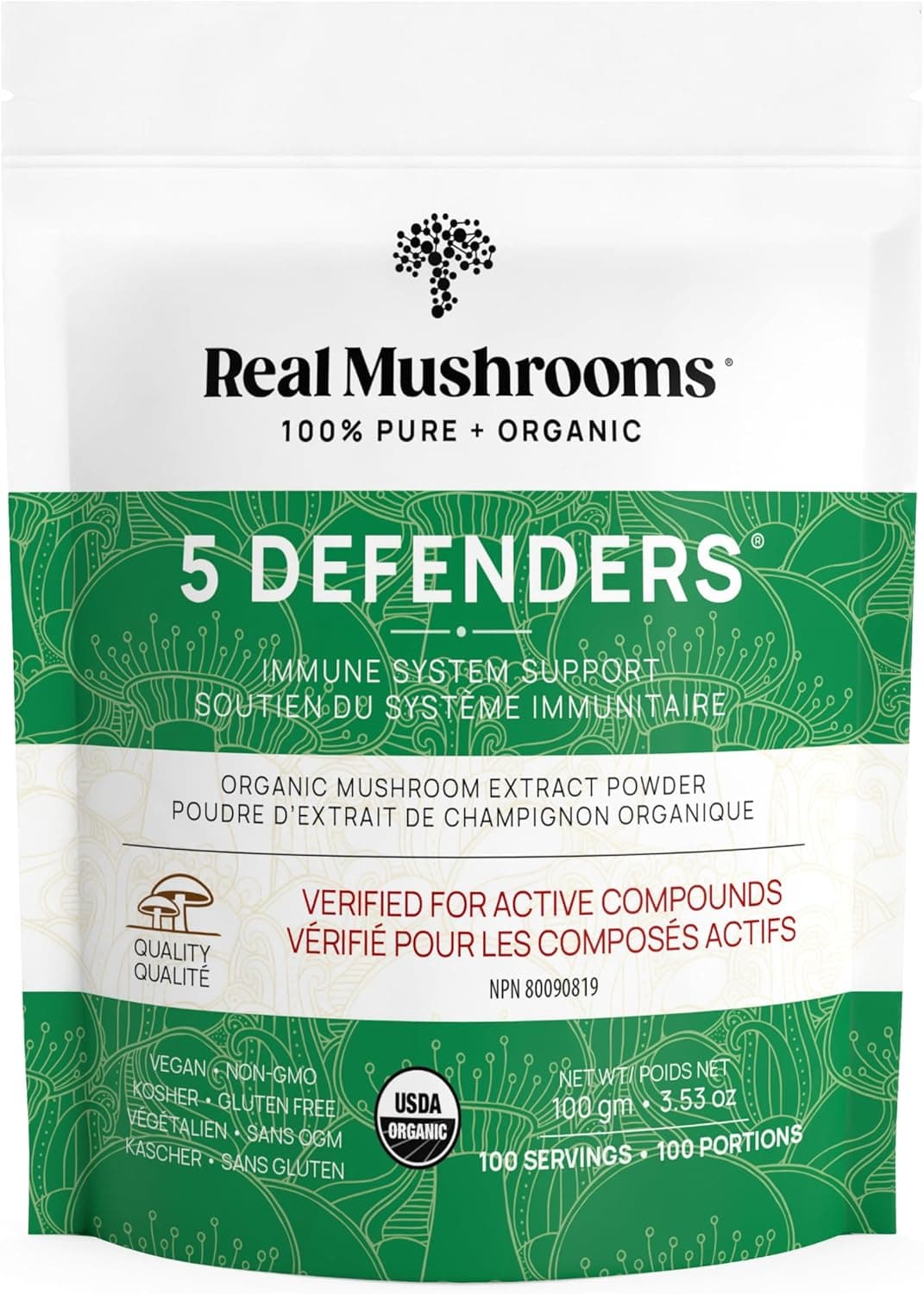
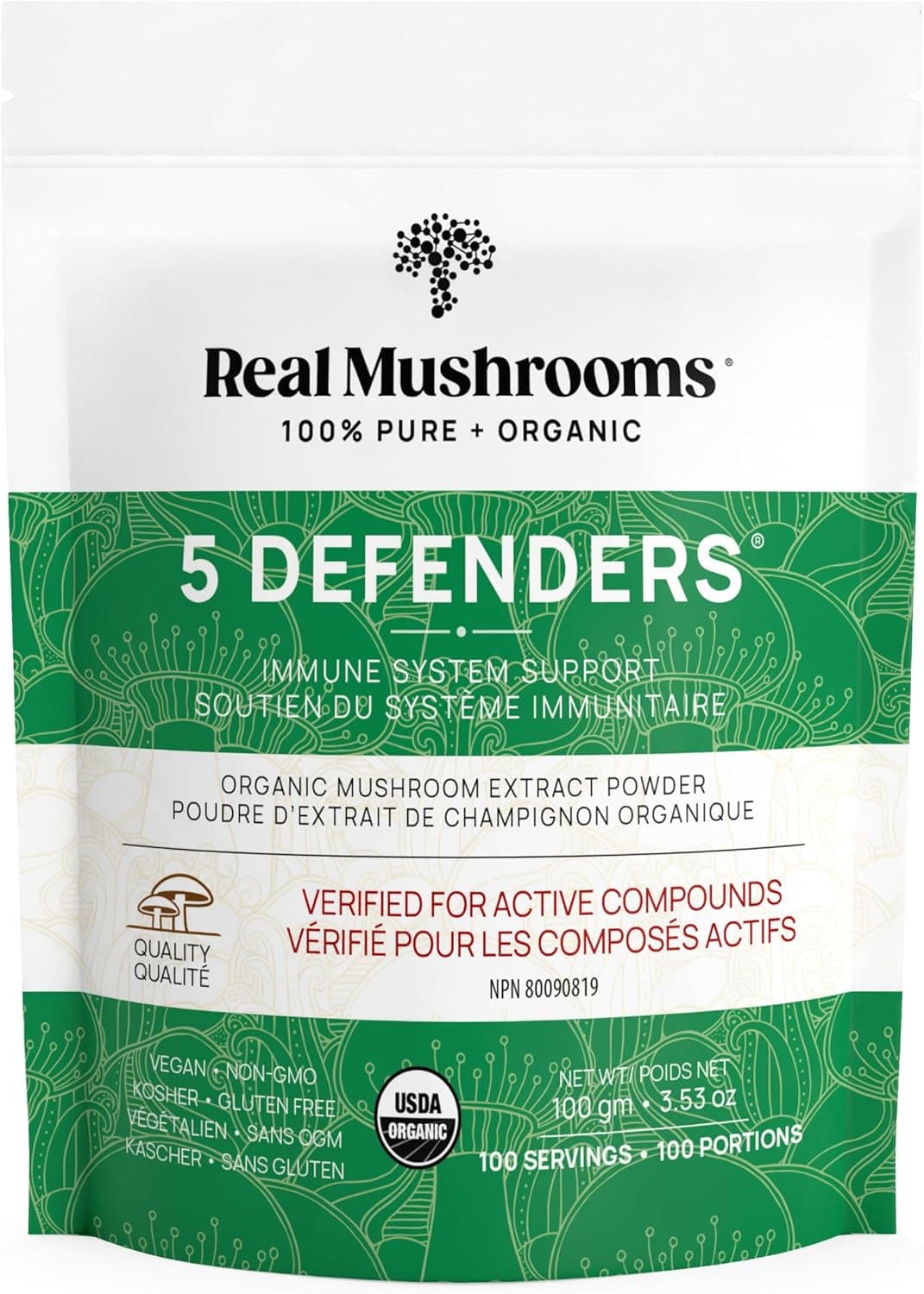
Shiitake Mushroom.
May support immune function and overall wellness. Nudges your immune system. Its main job is to help your body's natural defenses work a bit smarter, not harder, thanks to compounds called beta-glucans.
Reviewed March 2026
- Category
- Herb
- Also filed under
- Immune supportAntioxidant propertiesCardiovascular health
What Shiitake Mushroom is, and what it does.
- Does it work
- Worth a shot if you're exploring immune support, but it's not a first-line defense like Vitamin D or Zinc. The science is promising, not proven.
- How much to take
- 1-3 grams of dried mushroom powder or an equivalent extract daily. Look for products that list the beta-glucan percentage to know what you're getting.
- Time to feel it
- Weeks. Immune measures in studies move across roughly four to eight weeks of daily use, which is where the change shows up rather than in a daily sensation.
- The first dose
- Nothing. Your immune system doesn't get an overnight memo. This takes weeks of consistent use to show any potential effect.
- With regular use
- After 4-6 weeks, you might feel more resilient. Maybe you're the last one in the office to catch that bug. Effects are subtle and not guaranteed.
- How well tolerated
- Generally well tolerated. The main watch-outs are mushroom allergies and interactions with blood thinners. Don't take it if you have an autoimmune condition without talking to a doctor first.
- How it feels
- You don't feel it 'kick in'. It's more about what you might *not* feel: getting sick as often or for as long.
- The overlooked benefit
- Shiitake carries ergothioneine, a sulfur compound fungi make and mammals do not, taken into human cells by a transporter unusually selective for that one molecule.
1 to 3g a day is where Shiitake Mushroom works.
Source: Dai X et al. J Am Coll Nutr. 2015;34(6):478-487
The proof, claim by claim.
These words describe the research, not the molecule's worth. Research strength is how much work stands behind one claim, and it is never a product score.
Research suggests potential immune-modulating effects, primarily attributed to beta-glucans and other polysaccharides. More high-quality human trials are needed to confirm these benefits.
- innate immune signalling through beta-glucan receptorsIn vitro study
- immune marker changes with daily mushroom intakeRandomised trial
- vitamin D2 content after ultraviolet exposureNarrative review
- ergothioneine intake and cellular antioxidant statusNarrative review
- eritadenine and transmethylation in one-carbon metabolismAnimal study
Questions people ask about Shiitake Mushroom.
- Can I just eat shiitake mushrooms instead?
- You can, and they're great for you. But to get a concentrated therapeutic dose, you'd need to eat a lot every single day. A supplement is just more direct.
- Is this a stimulant? Will it keep me awake?
- No, it's not a stimulant. It won't give you a buzz or interfere with sleep. You can take it any time of day.
- What are beta-glucans?
- They're special types of fiber found in the mushroom's cell walls. They're the main active compound that interacts with your immune system.
- How is this different from Reishi or Lion's Mane?
- Different mushrooms, different jobs. Shiitake is mainly for immune support. Reishi is known for stress and calm, Lion's Mane for focus and brain health.
- Can I take this every day?
- Yes. It's meant for daily, long-term use. Consistency is key to seeing any potential benefits.
- Does it work if I'm already sick?
- It's more for prevention and support, not an acute treatment. Think of it as training your immune system over time, not an emergency rescue.
Why these belong in the same formula. Each row says what the basis is, from settled biochemistry through to a trial that measured the pair.
Shiitake lentinan and yeast beta-glucan are both 1,3/1,6 beta-glucans read by dectin-1 and complement receptor 3 on innate immune cells. Their branching patterns differ, so a blend presents a wider range of ligand shapes to the same receptor family.
Maitake grifolan and shiitake lentinan are structurally distinct beta-glucans that engage the same innate pattern-recognition receptors. Mushroom blends are built this way so no single glucan geometry has to carry the whole signal.
Reishi brings triterpenes alongside its beta-glucans, a chemistry shiitake lacks, so the pair covers both the polysaccharide and the terpenoid side of a mushroom blend. This is the standard backbone of multi-mushroom formulas.
Turkey tail contributes protein-bound polysaccharides while shiitake contributes free beta-glucan, two presentations of the same innate signal. Blends use both so the glucan load is not a single molecular form.
Shiitake carries ergosterol, the fungal sterol that ultraviolet light converts to ergocalciferol, which is why UV-exposed shiitake is itself a D2 source. Reading the two together avoids double counting the same vitamin D input in a formula.
Shiitake is one of the richest dietary sources of ergothioneine, the sulfur amino acid taken into cells by the OCTN1 transporter. A formula pairing them is adding to a pool the mushroom already contributes.
Mushroom beta-glucans are not digested by human enzymes and reach the colon intact, where resident bacteria ferment part of them to short-chain fatty acids. That makes shiitake polysaccharide a substrate rather than a competitor for a probiotic.
Shiitake mycelium takes up minerals from its substrate, and enrichment during cultivation is a recognised way to raise the zinc content of the harvested mushroom. A candidate paper characterises a zinc and selenium enriched Lentinula edodes extract and reports immunomodulatory activity in its model system. The pairing is therefore about the mineral riding in the fungal matrix rather than two separately dosed actives. Read it as mechanistic rather than clinical.
Selenium behaves similarly to zinc in cultivation: the fungus takes it up from an enriched substrate and incorporates part of it into organic selenium species. The candidate paper on a zinc and selenium enriched shiitake extract describes immunomodulatory activity for the enriched material. The relevant question for a formula is which selenium species the matrix actually carries, since that changes how it is absorbed.
Lentinan, the characterised polysaccharide of shiitake, is a beta-1,3-glucan with beta-1,6 branch points, the same structural class recognised by dectin-1 and complement receptor 3 on innate immune cells. Combining shiitake with other beta-glucan sources stacks ligands for the same receptor family rather than adding a separate pathway. Branch frequency and molecular weight differ between fungal and cereal glucans, so the sources are not interchangeable.
Mushroom blends routinely place shiitake alongside lion's mane because the two contribute different polysaccharide and secondary metabolite profiles from the same extraction process. Hot-water extraction suits both, so one production run serves the blend. The pairing is formulation convention supported by shared chemistry, not a tested combination.
Cordyceps and shiitake are commonly blended in fungal complexes, both delivered as hot-water extracts standardised on polysaccharide content. Their cell wall glucans engage the same innate receptor family while their small-molecule profiles differ. This is formulation practice, and the blend should be judged on the declared extract specification of each component.
Astragalus and shiitake appear together in traditional formulas and in modern polysaccharide-led blends. Both are prepared by hot-water decoction, which concentrates high molecular weight polysaccharides in each case. The pairing rests on that shared preparation logic and on long use rather than on a combination trial.
Non-heme iron and some other minerals held in a fungal matrix are absorbed better in the presence of ascorbate, which reduces ferric iron and keeps it soluble at intestinal pH. Shiitake contributes modest amounts of such minerals as part of whole-food powder rather than extract. The effect is on absorption chemistry and does not change what the mushroom itself contributes.
Fungal beta-glucans and the chitin-glucan fraction of shiitake are poorly digested by human enzymes and reach the colon largely intact, where resident bacteria ferment part of them. Pairing with a defined bifidobacterial strain supplies both a substrate and an organism. Fermentability varies with extraction method, since hot-water extracts and whole powders deliver different fibre fractions.
Inulin is a rapidly fermented fructan while fungal glucan and chitin-glucan ferment more slowly and further along the colon. Combining them widens the range of substrate available to the microbiota rather than concentrating fermentation in one region. Rapid fermenters can produce gas symptoms in sensitive people, so total fibre load matters more than the pairing itself.
Shiitake contains eritadenine, an adenine derivative shown in animal work to inhibit S-adenosyl-L-homocysteine hydrolase and to shift transmethylation intermediates. Methionine loading pushes the same pathway from the other end. The interaction is documented in animals and is mechanistic in humans, so it belongs in a discussion of one-carbon metabolism rather than as a clinical claim.
Betaine donates a methyl group to homocysteine through betaine-homocysteine methyltransferase, feeding the same transmethylation cycle that eritadenine from shiitake acts on in animal studies. Placing the two together touches one pathway from two directions. The relationship is mechanistic and the human data for the mushroom side is not there yet.
Talk to a doctor before taking Shiitake Mushroom if any of these apply to you: Possible allergic reactions, May interact with blood thinners, Gastrointestinal discomfort in some individuals. These are flags to check first, not effects Shiitake Mushroom is known to cause.
Not medical advice. Show the label to your pharmacist.What Shiitake Mushroom actually does.
Lentinan, shiitake's signature polysaccharide, is a branched beta-glucan, the structural family that receptors on innate immune cells recognise.
Shiitake cell walls weave chitin together with glucan, which your enzymes can't digest, so much of a whole-mushroom powder reaches the colon as fibre.
Shiitake stores ergosterol in its membranes, and UV light converts part of it to vitamin D2 after harvest, so UV-exposed and unexposed mushrooms differ in vitamin D content.
Hot-water extraction keeps the water-soluble polysaccharides and leaves most of the insoluble chitin-glucan behind, so an extract and a plain dried powder are chemically different gram for gram.
Where Shiitake Mushroom comes from.
Shiitake is farmed on wood or sawdust, picked, and dried. From there it either gets ground into a plain mushroom powder, or simmered in hot water so the soluble fibre-like compounds come out, then filtered, concentrated, measured and dried into a powder. Which one you have changes what is in the jar.
Made from a plant. What ends up in the capsule tracks the harvest, so batch testing and a stated marker matter more here than with a made molecule.
Shiitake is cultivated on hardwood logs or on supplemented sawdust blocks inoculated with a selected strain. The substrate composition sets much of the mineral profile of the harvest.
The mycelium colonises the substrate over weeks, then a temperature and humidity shift triggers fruiting bodies to form and be harvested by hand.
Harvested mushrooms are dried to a stable moisture content. Where vitamin D2 is wanted, ultraviolet exposure before or during drying converts part of the ergosterol.
For extracts, milled material is held in hot water to solubilise high molecular weight beta-glucans, with ethanol extraction added separately when a dual extract is being made.
The liquor is filtered to remove insoluble cell wall debris and concentrated under reduced pressure before drying.
The concentrate is assayed for beta-glucan, commonly by an enzymatic method that distinguishes fungal glucan from starch, and blended to the declared specification.
The finished material is spray dried into a free-flowing extract powder, or the dried fruiting body is simply milled when a whole-mushroom powder is the product.
Getting Shiitake Mushroom from food.
The whole-food sources on file. A supplement closes the gap, it does not replace dinner.
A gram-for-gram figure (how much of each you would eat to match a dose) will appear here once it is sourced and reviewed. This page will not print a number it cannot cite.
The forms it comes in.
The essence, in one line each.
- A zinc and selenium enriched Lentinula edodes extract was characterised biochemically and showed immunomodulatory activity in the reported model, which is mechanistic evidence and not a measured human outcome.In vitro study. Mughal H et al., 2026 (Food Science and Nutrition). PMID 41971609 ↗
These are the studies our verdict leans on, chosen from the 1 we read for Shiitake Mushroom. The full linked list is below.
The studies, linked.
3 sources behind our Shiitake Mushroom verdict: peer-reviewed studies and registered clinical trials. Every one links straight to PubMed, the journal, or ClinicalTrials.gov. Read them yourself.
- Clinical trialA Clinical Trial to Evaluate the Effect of a Shiitake Mushroom Extract Supplement on Lipid Profile, Other Cardiovascular Risk Factors and the Microbiota in Subjects With and Moderate HyperlipidemiaClinicalTrials.gov ↗Phase 4, 57 participants, Completed
- Clinical trialEvaluation of the Efficacy and Safety of a Shiitake Mushroom Oil-Soluble Extract (SMosE) on Skin Barrier Function, Sebum Regulation, and Adaptive Responses: Preclinical and Clinical InvestigationClinicalTrials.gov ↗40 participants, Completed
- Clinical trialAcute Effects of White Button and Shiitake Mushroom Powder Supplementation on Postprandial Lipemia and Glycemia Following a High-Fat MealClinicalTrials.gov ↗16 participants, Completed
Evidence surfaced via Semantic Scholar (Allen Institute for AI) and ClinicalTrials.gov. Ranked by study type and citation weight, not cherry-picked.
FDA Disclaimer: These statements have not been evaluated by the Food and Drug Administration. This information is for educational purposes only and is not intended to diagnose, treat, cure, or prevent any disease. Consult your healthcare provider before starting any supplement regimen.