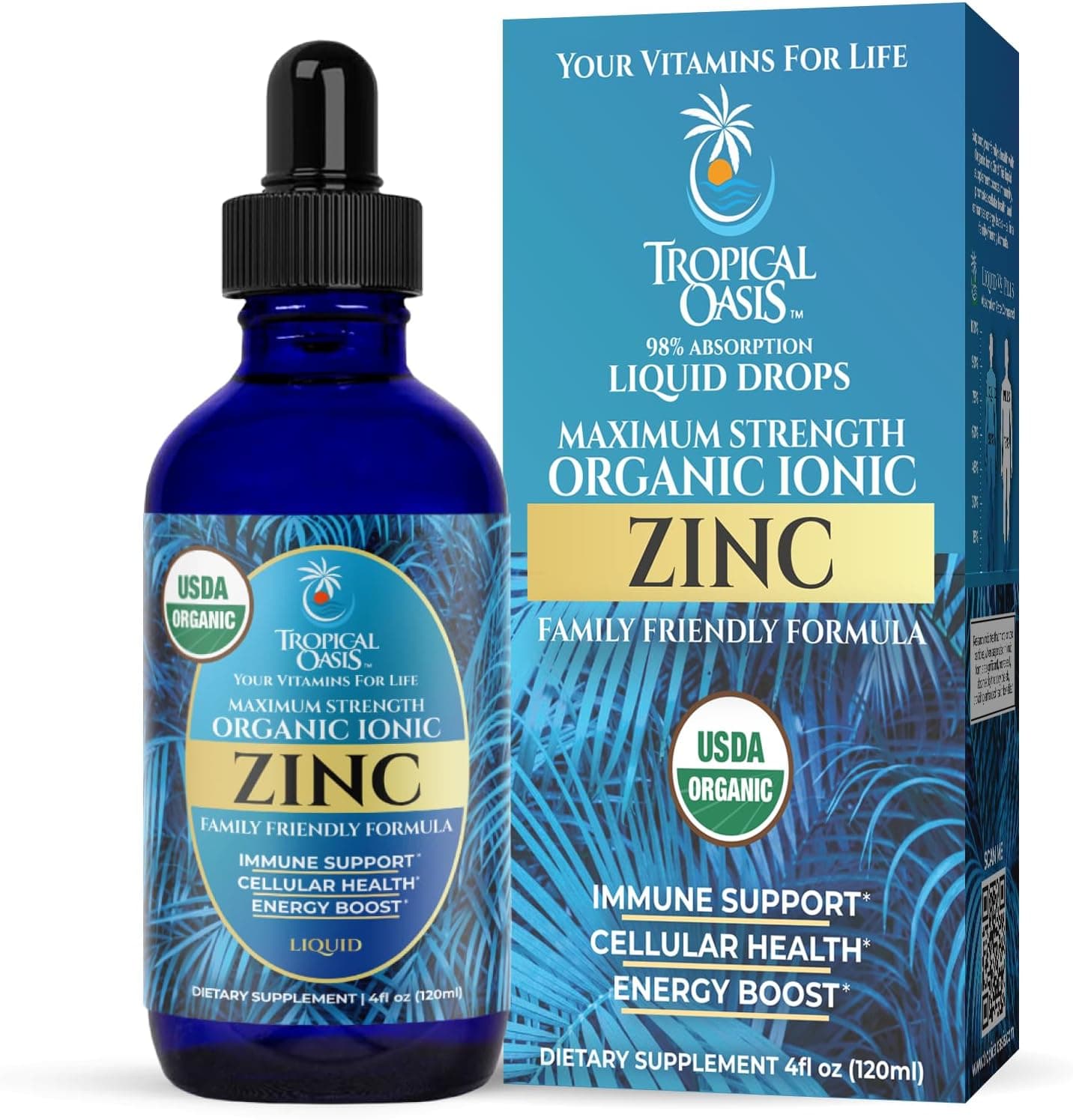
Trace Minerals Complex.
Tops up the minerals your enzymes need in tiny amounts: zinc, copper, manganese, selenium, iodine and molybdenum, in one serving.
Reviewed March 2026
- Category
- Mineral
What Trace Minerals Complex is, and what it does.
- Does it work
- Suits people on a narrow or repetitive diet, heavy sweaters, and anyone training a lot. If you already take a multivitamin, read both labels so you know your totals.
- How much to take
- Start with 200 to 500mg a day of the blend, the daily maintenance band. What matters more is the elemental amount of each mineral listed inside it.
- Time to feel it
- Nothing arrives in a day. Mineral status moves over four to twelve weeks of daily use, and a blood panel is where you would see it.
- The first dose
- Day one is quiet. Taking it with food keeps the stomach settled, since zinc on an empty stomach is the usual reason for queasiness.
- With regular use
- Weeks of steady intake refill low stores and keep the enzymes behind antioxidant defence, thyroid hormone conversion and collagen cross-linking supplied.
- How well tolerated
- Well tolerated in the maintenance band. Zinc, copper and iron compete for the same uptake routes, so ask a doctor before stacking it with other mineral products.
- How it feels
- Most people feel nothing, which is normal for minerals. The change shows up on a nutrient panel and in how steadily you get through a demanding winter.
- The overlooked benefit
- Copper is the metal in the enzyme that loads iron onto its transport protein, so iron status can stall when copper runs low.
200 to 500mg a day is where Trace Minerals Complex works.
Source: Based on typical multi-trace mineral supplement formulations
The proof, claim by claim.
These words describe the research, not the molecule's worth. Research strength is how much work stands behind one claim, and it is never a product score.
- everyday trace mineral statusNarrative review
- antioxidant enzyme activityRandomised trial
- normal immune functionMeta-analysis
- thyroid hormone conversionNarrative review
- connective tissue cross-linkingNarrative review
Questions people ask about Trace Minerals Complex.
- When should I take it?
- Timing matters less than consistency. Pick a time that works for you and take it daily.
- Can I take it with other supplements?
- Usually fine. The main thing to watch is not doubling up on the same ingredient from different products. If you're on prescription meds, check with your pharmacist first.
- Any side effects to watch for?
- Most people tolerate it well at recommended doses. GI upset is the most common complaint with any supplement. Start with a lower dose and work up. If something feels off, stop and reassess.
- Who benefits most from this?
- People who've already covered the basics (diet, sleep, exercise) and want to fine-tune. It's not essential, but could be worthwhile for the right person.
Why these belong in the same formula. Each row says what the basis is, from settled biochemistry through to a trial that measured the pair.
Zinc is one of the minerals a trace complex is built to supply. Adding a separate zinc dose stacks on the same intake and on the same absorption route.
High zinc induces metallothionein in the intestinal cell, which binds copper and holds it back from the blood. Blends carry a fixed zinc to copper ratio precisely because of this competition.
Iron, zinc and manganese all move through the divalent metal transporter DMT1. A large dose of one lowers uptake of the others taken at the same time.
Manganese competes with iron for DMT1 and iron status changes manganese uptake. The two must be balanced within a blend rather than maximised separately.
Calcium taken in the same dose reduces absorption of non heme iron and of zinc. Formulators separate a large calcium dose from a trace mineral dose for this reason.
Magnesium is usually supplied alongside a trace blend because the blend covers the micro minerals only. The pairing completes the mineral profile without overlap in function.
Selenium builds glutathione peroxidases while zinc and copper build superoxide dismutase. A blend supplies both because the enzymes handle different reactive species in sequence.
Iodine is built into thyroid hormone and selenium dependent deiodinases convert it to its active form. A trace blend carrying selenium is the natural partner for an iodine dose.
Molybdenum with sulphur forms thiomolybdates that bind copper and lower its availability. Blends keep molybdenum modest so copper status is not pulled down.
Chromium is supplied at microgram level in most trace complexes and supports normal insulin signalling. It shares no transporter with the major minerals, so it stacks cleanly.
Boron influences how calcium, magnesium and vitamin D are handled. It is included in mineral blends for that regulatory role rather than as a structural mineral.
Ascorbate reduces ferric to ferrous iron and forms a soluble complex that survives the small intestine. The lift applies to iron specifically and not to the other minerals in the blend.
Phytate in plant material chelates zinc, iron, calcium and magnesium and holds them through the gut. Phytase cleaves it, raising how much of a mineral dose is available for uptake.
The active vitamin D metabolite drives transcription of intestinal calcium and phosphate transport proteins, so mineral uptake at the brush border depends on vitamin D status. A trace mineral blend delivered against poor vitamin D status is working against a limiting step upstream of itself. The relationship is established endocrinology of mineral handling.
Retinol binding protein synthesis in the liver is zinc dependent, so zinc status shapes how much retinol is mobilised into circulation. Vitamin A in turn influences iron mobilisation from stores. Trace minerals and vitamin A are therefore linked in both directions rather than acting independently.
Selenium sits in the active site of glutathione peroxidase, which reduces lipid hydroperoxides, while tocopherol intercepts lipid peroxyl radicals in the membrane itself. The two work at different points of the same chain reaction, which is the classic sparing relationship described in nutritional biochemistry. What it changes are oxidative markers rather than a clinical endpoint.
Riboflavin as FAD supports the reductase steps involved in releasing iron from ferritin stores, so riboflavin status affects how usable a given iron intake is. The link is a documented cofactor relationship rather than a co-supplementation trial finding. It is one reason mineral and B-vitamin blends are formulated together.
Glutathione peroxidase uses reduced glutathione as its electron donor while selenium provides the catalytic selenocysteine residue. Neither component functions in that reaction without the other. This is textbook enzymology of the selenium-dependent antioxidant system.
Lactoferrin binds ferric iron tightly and holds it in a form handled by a receptor-mediated route rather than the standard DMT1 pathway. Delivered alongside an ionic iron source, it changes the chemical form of iron presented to the gut. The consequence for absorbed iron depends on the ratio and the format.
Fermentable fructans are converted by colonic bacteria to short-chain fatty acids that lower luminal pH and keep calcium, magnesium and some trace minerals soluble, supporting a colonic component of absorption. Mineral balance studies in humans have measured this effect. It is a real but secondary route compared with small intestinal uptake.
Short-chain fructooligosaccharides ferment rapidly in the proximal colon, lowering pH and increasing the soluble fraction of divalent minerals available for uptake there. The mechanism is the same as for inulin, with faster fermentation kinetics. The effect is on mineral absorption, measured by balance studies, not on a clinical endpoint.
Galactooligosaccharides are fermented by bifidobacteria to short-chain fatty acids, which acidify colonic contents and keep divalent minerals soluble. The mechanism is shared with other fermentable oligosaccharides. Human data on mineral absorption is less extensive for GOS than for inulin-type fructans.
Tannins form insoluble complexes with non-heme iron in the gut lumen, and to a lesser extent with zinc and copper, reducing the fraction available for absorption. The effect is dose dependent and is strongest when the polyphenol and the mineral share a meal. Separating the two in time is the standard formulation answer.
Galloylated catechins such as EGCG bind non-heme iron in the gut and lower its absorption when taken in the same window. The same chemistry touches other divalent minerals to a smaller degree. This is a well-characterised food-matrix interaction rather than a speculative one.
A large calcium load in the same dose window reduces the absorbed fraction of iron, zinc and magnesium, partly through competition at shared divalent transport routes and partly through the alkalinity of the carbonate salt reducing solubility. This is why high-dose calcium is often dosed apart from a trace mineral blend. The interaction is a matter of timing and amount rather than incompatibility.
Inorganic mineral salts such as oxides and carbonates need gastric acid to dissolve into absorbable ionic form, so gastric pH is a limiting step for those forms. Amino acid chelates are much less pH dependent, which is why the interaction matters more for some forms than others. The relationship is physicochemical.
Digested peptides and free amino acids keep zinc and other divalent minerals soluble in the intestinal lumen by forming low-molecular-weight complexes that resist precipitation. This is the same principle behind amino acid chelated mineral forms. It supports absorption rather than adding an independent effect of its own.
The dithiolane ring of lipoic acid and its reduced form binds transition metals including copper, iron and manganese. Taken in the same window as a mineral blend, that binding changes the chemical form of the mineral in the lumen. Dosing them apart is the ordinary formulation response.
Cobalt has no independent nutritional role in people other than as the central atom of cobalamin, which the body cannot synthesise and must obtain preformed. A trace mineral blend listing cobalt is therefore not supplying usable B12. That distinction is worth making on a label that lists both.
Viscous soluble fibres slow gastric emptying and can bind or entrap divalent minerals in the gel phase, reducing the fraction reaching the absorptive surface in the same window. The magnitude is modest and depends on the dose and the fibre. Standard practice separates a large fibre dose from a mineral dose.
Nothing specific on file for Trace Minerals Complex. Match the label to the daily amount above, and tell your doctor what you take.
Not medical advice. Show the label to your pharmacist.What Trace Minerals Complex actually does.
Zinc sits inside several hundred enzymes and in the protein fingers that let genes get switched on, which is why zinc status touches protein building, immune function and skin and hair structure all at once.
Copper is the working metal in the enzyme that makes cellular energy, the one that cross-links collagen and elastin, and the ferry protein that readies iron for transport in blood.
Manganese sits at the centre of a key mitochondrial antioxidant enzyme and of the enzymes that assemble cartilage's cushioning molecules.
Selenium works built into specific enzymes, including the ones that convert thyroid hormone between its forms, so its job is enzymatic rather than antioxidant in some vague general sense.
Where Trace Minerals Complex comes from.
Most trace mineral blends are built, not harvested. Each mineral is refined from ore into a salt, or attached to an amino acid, or grown into yeast that takes the mineral up as it multiplies. Some liquid products instead come from seawater concentrated in evaporation ponds until the table salt crystallises out. Every batch is tested for heavy metals, since those travel with mineral sources, and measured for how much of each element it actually contains. The finished amounts are then blended to the label.
The same molecule is reached more than one way. Which route a given product used is a manufacturing choice, and the finished compound is the same either way.
Individual mineral salts start from mined and refined ores such as zinc and copper concentrates. Whole-source liquid concentrates start from seawater or inland brine. Food-form minerals start from a yeast or bacterial culture fed a soluble mineral salt during growth.
Refined metal or metal oxide is reacted with sulfuric acid, citric acid or gluconic acid to form the corresponding salt, or with glycine under controlled pH to form a bisglycinate chelate. For food-form minerals, the conversion happens inside the growing organism, which incorporates the element into protein and other biomolecules.
Seawater or brine is concentrated in evaporation ponds so that sodium chloride crystallises out first, leaving a magnesium-rich liquor that carries the minor elements of the source water.
Salts are recrystallised or washed to remove reaction by-products, and the batch is screened for lead, cadmium, arsenic and mercury, which travel with mineral feedstocks and are the controlling contaminant risk for this category.
Inductively coupled plasma mass spectrometry sets the elemental content of each mineral in the blend, which is what the label declares, distinct from the salt weight. Species-specific methods are used where the chemical form matters, as with selenomethionine in selenium yeast.
The individual mineral sources are weighed to the target elemental amounts, blended with a flow aid, and filled into capsules, compressed into tablets, or supplied as a liquid concentrate dosed by drops.
Getting Trace Minerals Complex from food.
The whole-food sources on file. A supplement closes the gap, it does not replace dinner.
A gram-for-gram figure (how much of each you would eat to match a dose) will appear here once it is sourced and reviewed. This page will not print a number it cannot cite.
The forms it comes in.
The essence, in one line each.
- A systematic review of minerals and female fertility maps the reported associations between mineral status and reproductive parameters. The underlying evidence is largely observational and the associations are not established as causal.Systematic review. Kapper C et al., 2024 (Nutrients). PMID 39683462 ↗
- A review of copper, selenium, zinc, cobalt and iron in female cattle reproduction sets out the enzyme and antioxidant roles each mineral plays in reproductive tissue.Narrative review, in animals. Wang B et al., 2026 (Veterinary Sciences). PMID 41746002 ↗
- A complex trace mineral blend changed growth performance and antioxidant and immune marker measurements in weaned piglets. These are markers measured in an animal model.Animal study. Luo J et al., 2026 (Journal of Animal Science). PMID 41920936 ↗
- Injected trace minerals and vitamins shifted mineral status and antioxidant response measurements in the animals studied, alongside performance measures.Animal study. Silva Junior RG et al., 2026 (Animals). PMID 41681453 ↗
- Vitamin and mineral supplementation of beef heifers during gestation was associated with differences in offspring morphometric measurements.Animal study. Hurlbert JL et al., 2024 (Journal of Animal Science). PMID 38666437 ↗
- A review of mineral and microbiota interactions describes how dietary mineral supply and the gut microbial community influence each other, drawing on aquaculture data.Narrative review. Aydin F et al., 2026 (Veterinary Research Communications). PMID 41973308 ↗
These are the studies our verdict leans on, chosen from the 6 we read for Trace Minerals Complex. The full linked list is below.
FDA Disclaimer: These statements have not been evaluated by the Food and Drug Administration. This information is for educational purposes only and is not intended to diagnose, treat, cure, or prevent any disease. Consult your healthcare provider before starting any supplement regimen.