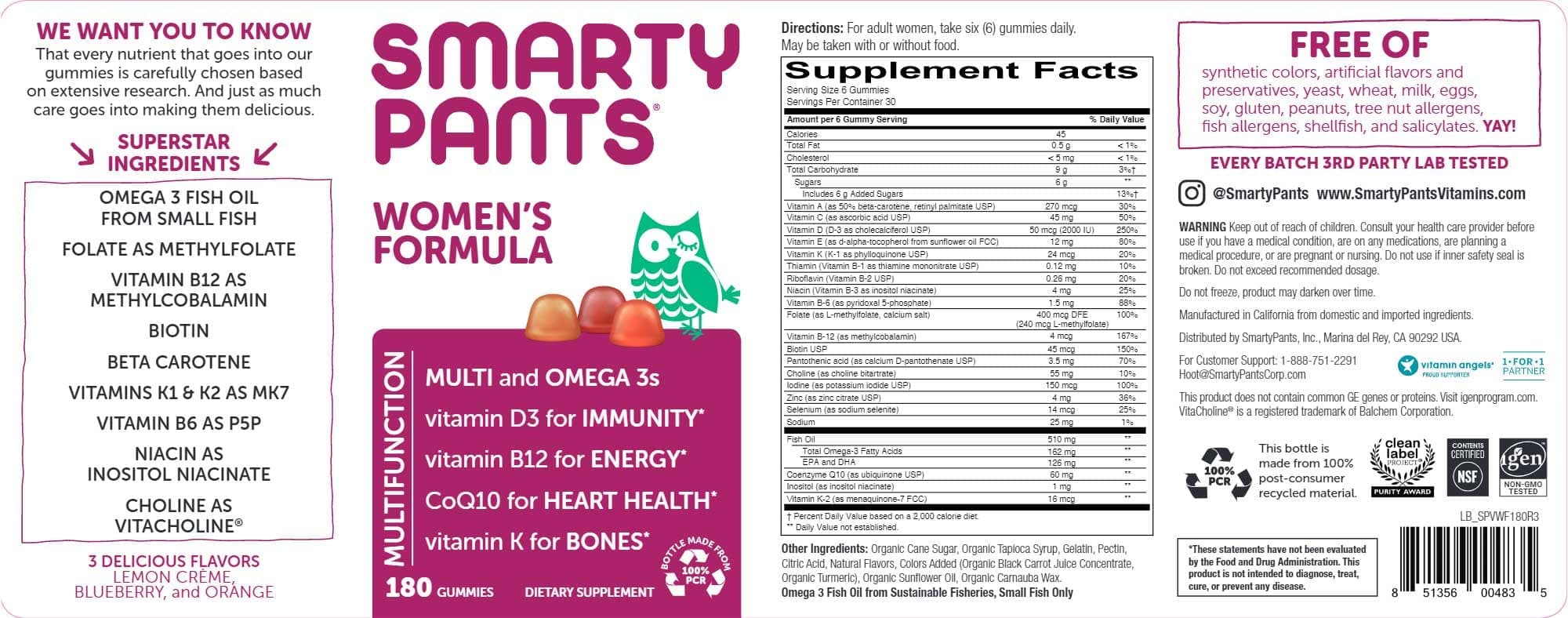
Retinyl Palmitate (Vitamin A).
Preformed vitamin A for vision and immunity Preformed vitamin A in its most shelf-stable ester. Once the gut splits off the palmitate, the retinol supports normal vision, epithelial turnover and immune cell maturation.
Reviewed March 2026
- Category
- Vitamin
- Also filed under
- VisionImmune FunctionSkin
What Retinyl Palmitate (Vitamin A) is, and what it does.
- Does it work
- Essential for health, but it's easy to get too much from supplements. Beta-carotene is a safer choice for most.
- How much to take
- Start with 2,500 IU to 5,000 IU a day, the maintenance band, with a meal containing fat. Keep the total of preformed vitamin A from all sources at or under 10,000 IU.
- Time to feel it
- Weeks to months. The liver buffer means intake changes surface slowly, and on a panel rather than as a sensation.
- The first dose
- Pancreatic lipase splits the ester within hours and the retinol heads to the liver. Day one lands in the store, not in how you feel.
- With regular use
- Weeks to months of daily use keeps the liver reserve topped up and epithelial turnover supported. Status is read on a blood panel rather than felt.
- How well tolerated
- High doses can be toxic. Do not exceed 3,000 mcg RAE per day from all sources.
- How it feels
- Silent by nature. Its work happens in the retina and on skin and mucosal surfaces, and shows over weeks in those rather than on the day.
- The overlooked benefit
- It is the ester used in food fortification for a reason: the palmitate bond survives heat and oxygen that would degrade free retinol on a shelf.
700 to 900mcg a day is where Retinyl Palmitate (Vitamin A) works.
Source: NIH ODS + Ross 2006 review
The proof, claim by claim.
These words describe the research, not the molecule's worth. Research strength is how much work stands behind one claim, and it is never a product score.
- Normal vision in low lightRandomised trial
- Epithelial differentiation and immune cell maturationNarrative review
- Maintenance of vitamin A status through fortificationMeta-analysis
- Oxidative stability compared with free retinolIn vitro study
Questions people ask about Retinyl Palmitate (Vitamin A).
- When should I take it?
- With food, ideally a meal containing some fat for better absorption. Morning or evening, pick one and stick with it.
- How long until I notice something?
- If you're deficient, you might notice within 1-2 weeks. For general maintenance, give it 4-8 weeks.
- Can I get enough from food?
- Sometimes. If your diet is solid and varied, you might not need to supplement. But deficiency is more common than most people think. A blood test is the only way to know for sure.
- Can I take too much?
- Water-soluble vitamins (B, C) are harder to overdose on since you pee out the extra. Fat-soluble ones (A, D, E, K) can build up. Stick to recommended doses unless a doctor says otherwise.
- Can I take it with other supplements?
- Usually fine. The main thing to watch is not doubling up on the same ingredient from different products. If you're on prescription meds, check with your pharmacist first.
- Who benefits most from this?
- People with a specific, evidence-backed need. Vitamin A Retinyl Palmitate has strong research. If your situation matches the studied use case, it's one of the more reliable supplements you can take.
Why these belong in the same formula. Each row says what the basis is, from settled biochemistry through to a trial that measured the pair.
Retinyl palmitate is stored and released as retinol bound to retinol binding protein, whose synthesis is zinc dependent, and the conversion to retinal runs through a zinc metalloenzyme. Zinc status governs how much of the dose becomes usable.
The palmitate ester needs pancreatic and mucosal esterases plus bile salt micelles before absorption, and both depend on dietary fat. Formulating the ester in oil raises the absorbed fraction.
Tocopherol quenches the peroxyl radicals that degrade retinyl esters, protecting the retinoid in the softgel and in circulating chylomicrons. This is standard practice in fat soluble vitamin blends.
Both retinoic acid receptors and the vitamin D receptor bind DNA as heterodimers with retinoid X receptor, so the two signals draw on one shared partner pool. Ratio balance is the reason multivitamins cap preformed retinol.
Provitamin cleavage by BCO1 slows as retinoid stores fill, so beta carotene behaves as a self regulating reserve behind the preformed ester. Blending the two is the usual way to cover vitamin A without a single large retinoid load.
Retinoid signalling affects hepatic release of stored iron into circulation for normal red cell formation. Vitamin A status and iron status move together for that reason.
Lutein and retinyl esters are absorbed from the same bile salt micelle, so large doses taken together compete for that step. Splitting them across meals keeps both dosing honestly.
Retinyl palmitate is an ester and cannot cross the enterocyte membrane intact. Pancreatic lipase and carboxyl ester hydrolase cleave the palmitate, releasing free retinol into the mixed micelle. Where pancreatic enzyme output is low, supplemental lipase may support that release step rather than adding a benefit on top of it.
Pancreatin is a mixed porcine enzyme concentrate carrying lipase, protease and amylase. Its lipase fraction performs the same ester hydrolysis that frees retinol from palmitate. The pairing is formulation convention where fat digestion is the limiting step, and it acts on release rather than on retinol activity itself.
Retinol and its esters are lipophilic and depend on bile salt micelles for presentation to the intestinal wall. Bile acids also help activate pancreatic lipase at the lipid interface. Supplemental ox bile supports that micellar step in people with low bile output, which is why the two are commonly formulated together.
Phosphatidylcholine lowers the droplet size of an oil-borne retinyl ester and stabilises the emulsion through the gastric phase. Smaller droplets present more surface for lipase to act on. The effect is on delivery, not on the retinoid signal itself.
Lecithin is a mixed phospholipid emulsifier used to disperse retinyl palmitate in both soft-gel fills and fortified beverages. It keeps the ester in a dispersed phase rather than separating out. Read it as a delivery aid, not a second active.
Sunflower-derived lecithin carries a similar phosphatidylcholine fraction and is used where soy is being avoided. Its function in a retinyl palmitate preparation is emulsification and physical stability. Nothing about the retinoid pathway changes with the phospholipid source.
Dietary fat triggers bile release and provides the lipid phase in which retinyl palmitate travels. Taking the ester with an oil-containing meal or an oil-based supplement supports its absorption. The two are also frequently co-formulated because both are oxidation-sensitive and share the same soft-gel format.
Long-chain polyunsaturated oils give retinyl palmitate a lipid carrier and stimulate the bile response that micellisation needs. Both components oxidise readily, so preparations that combine them normally carry a tocopherol antioxidant. The interaction is one of delivery and formulation chemistry.
Menaquinone-7 and retinyl palmitate both enter the enterocyte from mixed micelles and both leave in chylomicrons. Sharing a finite route means a very large dose of one can influence the uptake kinetics of the other in the same meal. Routine supplemental amounts sit well below where that becomes a practical concern, and the two are widely co-formulated.
Phylloquinone is absorbed from micelles in the upper small intestine, the same compartment where retinyl esters are hydrolysed and taken up. Bile and dietary fat govern both. The overlap is mechanistic and has not been measured as a clinically meaningful competition at supplemental intakes.
Lycopene, carotenes and retinyl esters partition into the same mixed micelles and several use the SR-B1 transporter at the brush border. High single doses of one carotenoid can lower the measured uptake of another taken at the same time. This is a marker-level absorption interaction, not an outcome, and separating the doses across the day is the usual formulation answer.
Astaxanthin is a xanthophyll that shares the micellar and transporter route used by preformed vitamin A and provitamin carotenoids. Competition at that step is a plausible and well described mechanism for carotenoid pairs. The size of any interaction with retinyl palmitate specifically has not been quantified.
Zeaxanthin enters the enterocyte from the same lipid micelle that carries retinol released from its ester. Competition between xanthophylls at that step is documented for the carotenoid family generally. Read it as mechanistic rather than clinical for this specific pair.
Plant sterols crowd the micellar phase and are known to lower the absorption of lipid-soluble micronutrients taken alongside them, carotenoids most clearly. Retinyl palmitate depends on that same micellar phase. Spacing the two apart in the day is the practical handling of it.
Activated charcoal binds a wide range of organic compounds in the gut lumen without selectivity, which includes lipophilic vitamins presented in a micelle. Anything taken within a couple of hours of charcoal may be adsorbed and carried through. The interaction is one of timing and is avoided by separating the doses.
Psyllium raises luminal viscosity and traps a portion of the lipid phase, which is the same phase retinyl palmitate travels in. The effect on any single fat-soluble vitamin is modest and dose-dependent. Taking the two at different times sidesteps it.
Bentonite has a large charged surface area and adsorbs a broad set of luminal compounds. Fat-soluble vitamins in a micellar phase can be caught up in that. The interaction is mechanistic and handled by dose separation.
Retinol leaves the liver bound to retinol-binding protein complexed with transthyretin, both of which are hepatic proteins. Low protein intake limits that carrier pool, so circulating retinol can stay low even where hepatic stores are adequate. Adequate dietary protein supports the transport step rather than the vitamin itself.
Retinyl palmitate is sensitive to oxygen, light and heat, and its conjugated polyene chain degrades without protection. Mixed tocopherols quench the lipid radicals that drive that degradation in the oil phase. This is a stability pairing in the bottle, distinct from any physiological interaction.
Ascorbate sits at the aqueous interface and restores oxidised tocopherol, which in turn shields the lipid-soluble retinoid pool. The link to retinyl palmitate is indirect and runs through vitamin E. Read it as network chemistry rather than a measured pairing.
Broad-spectrum enzyme blends supply the lipase activity that separates retinol from palmitic acid before uptake. Where fat digestion is incomplete, that release step is what limits how much of a retinyl ester dose is usable. The pairing acts on availability, not on retinoid signalling.
Nothing specific on file for Retinyl Palmitate (Vitamin A). Match the label to the daily amount above, and tell your doctor what you take.
Not medical advice. Show the label to your pharmacist.What Retinyl Palmitate (Vitamin A) actually does.
Retinyl palmitate is vitamin A joined to a fatty acid. Gut enzymes break that bond apart in the small intestine, freeing plain retinol for absorption.
Once inside gut cells, retinol gets rejoined to a fatty acid and packaged for transport, which is why how well it's absorbed tracks with how much dietary fat and bile are around.
Most absorbed vitamin A ends up stored in the liver, then released as free retinol carried by two binding proteins in the blood.
Retinol gets converted step by step, first to a form used in vision and then further to retinoic acid.
Getting Retinyl Palmitate (Vitamin A) from food.
The whole-food sources on file. A supplement closes the gap, it does not replace dinner.
A gram-for-gram figure (how much of each you would eat to match a dose) will appear here once it is sourced and reviewed. This page will not print a number it cannot cite.
Retinyl Palmitate (Vitamin A) is a form of Vitamin A.
Retinyl Palmitate (Vitamin A) is the retinyl form of Vitamin A. Same mineral, bound to a different partner, so absorption and feel differ from form to form.
See the other 3 forms
The essence, in one line each.
- A vitamin A palmitate eye gel was reported to protect the ocular surface during general anaesthesia surgery compared with the control condition.Randomised trial. Li S et al., 2024 (International Ophthalmology). PMID 38573375 ↗
- Pooling supplementation trials, the authors report changes in circulating inflammatory biomarkers with vitamin A supplementation.Meta-analysis. Gholizadeh M et al., 2022 (Scientific Reports). PMID 36496428 ↗
- The trial compared paediatric vaccination with and without a high-dose vitamin A co-administration and reports the immune response measured.Randomised trial. Patel N et al., 2025 (Biomolecules). PMID 40305237 ↗
- Vitamin A given during the suckling period attenuated liver changes produced by a maternal Western-style diet in the offspring.Animal study. Abrego-Guandique DM et al., 2026 (The Journal of Nutritional Biochemistry). PMID 41109574 ↗
- Perinatal vitamin A excess altered both vitamin A handling and lipid metabolism in the offspring, which the authors read as a dose-matters signal.Animal study. Berthomé A et al., 2025 (Scientific Reports). PMID 41057405 ↗
- The report tracks how vitamin A is distributed between the systemic pool and ocular tissue.Narrative review. Montenegro D et al., 2026 (Cells). PMID 41597238 ↗
These are the studies our verdict leans on, chosen from the 6 we read for Retinyl Palmitate (Vitamin A). The full linked list is below.
FDA Disclaimer: These statements have not been evaluated by the Food and Drug Administration. This information is for educational purposes only and is not intended to diagnose, treat, cure, or prevent any disease. Consult your healthcare provider before starting any supplement regimen.