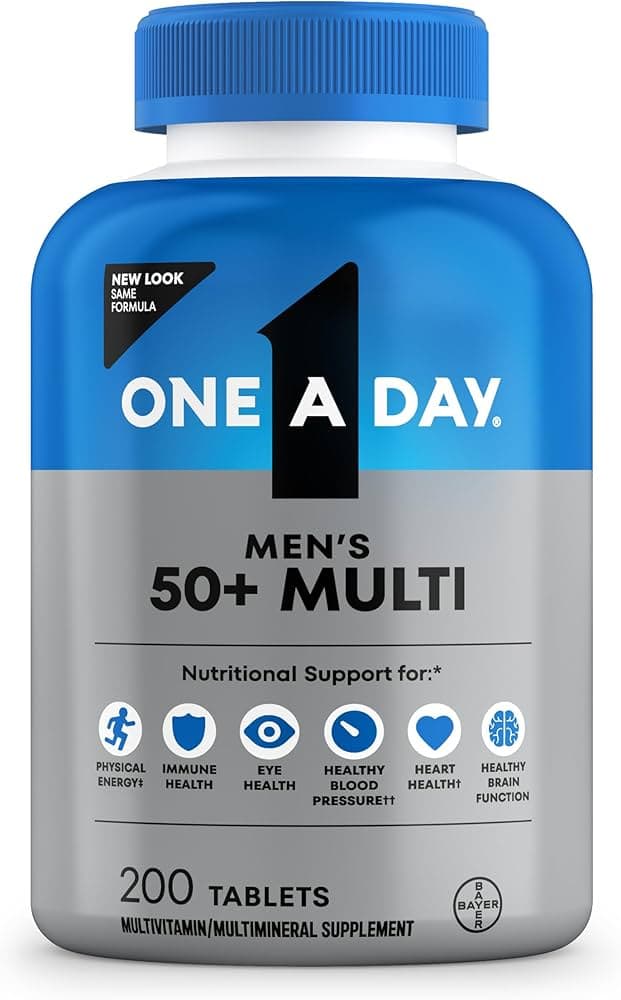
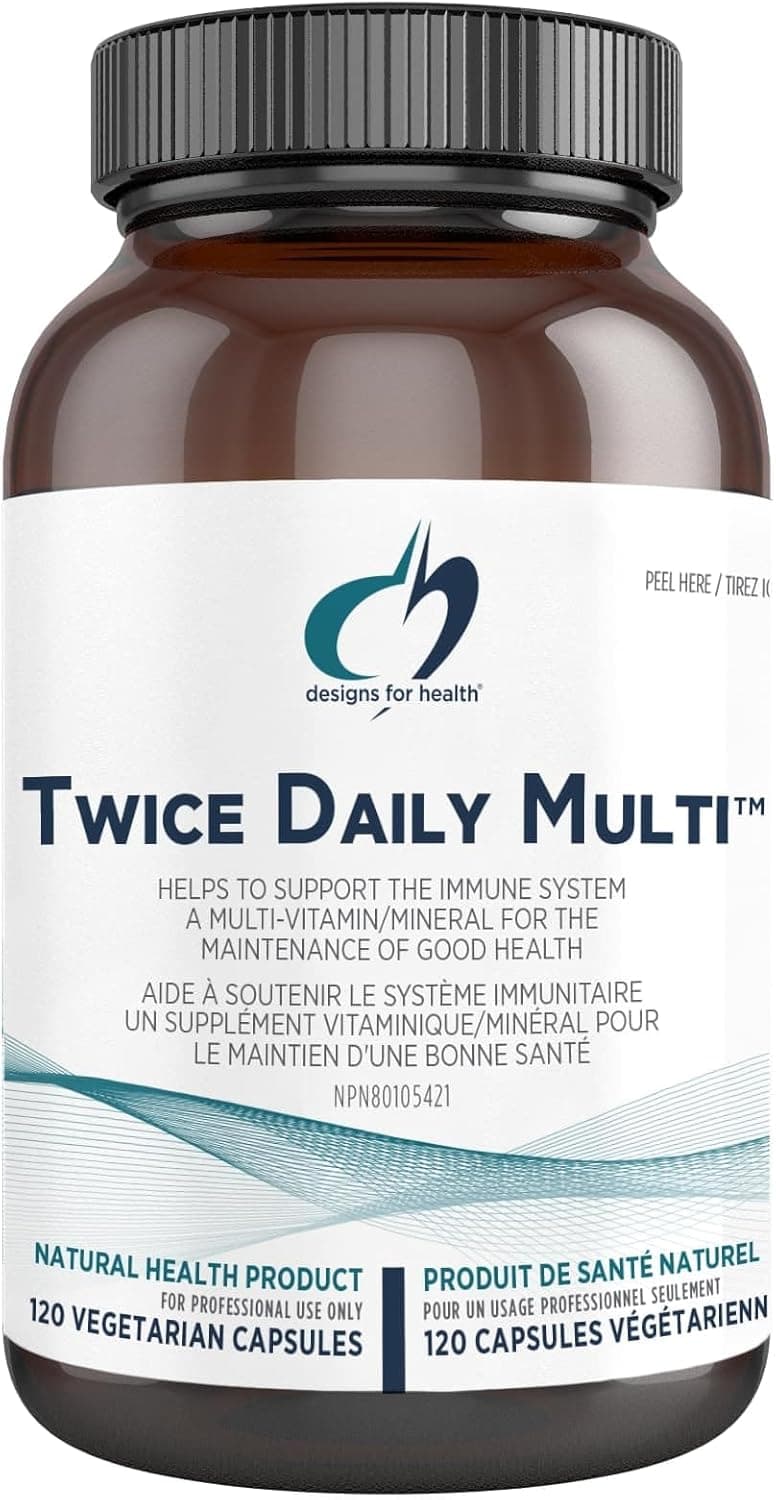
Copper Sulfate.
A common copper supplement form that supports immune function, iron metabolism, and connective tissue. Provides copper for enzyme function, iron metabolism, connective tissue formation, and antioxidant defense. Essential for making red blood cells and maintaining nerve function.
Reviewed March 2026
- Category
- Mineral
- Also filed under
- Essential for iron absorption and transportSupports immune functionRequired for connective tissue formationCofactor for antioxidant enzymes
What Copper Sulfate is, and what it does.
- Does it work
- Suits anyone taking daily zinc, eating few nuts, shellfish or organ meats, or wanting the mineral base covered. Many people already sit in the band from food alone.
- How much to take
- 0.9-2mg of elemental copper daily (RDA is 0.9mg). Note: copper sulfate is about 25% elemental copper, so 4mg of copper sulfate gives about 1mg of actual copper. Upper limit is 10mg elemental copper.
- Time to feel it
- There's no switch to notice. Copper enzyme activity follows intake within days, and blood copper markers settle over roughly four to eight weeks.
- The first dose
- Nothing noticeable unless severely deficient. Copper is absorbed in the small intestine and distributed to tissues. No subjective effects from a single dose.
- With regular use
- If you were deficient: energy and blood counts improve over 2-4 weeks. If supplementing preventively with zinc: you're maintaining normal levels, which feels like nothing (that's the point).
- How well tolerated
- Well tolerated inside the daily band, and gentler on the stomach taken with food. Ten milligrams of elemental copper a day is the upper limit for adults. Check with your clinician before going higher.
- How it feels
- You don't feel copper working.
- The overlooked benefit
- It keeps iron moving. Ceruloplasmin needs copper to load iron onto its transport protein, so iron handling depends on copper status holding up.
0.9 to 3mg a day is where Copper Sulfate works.
Source: NIH ODS + Klevay 2000 review
The proof, claim by claim.
These words describe the research, not the molecule's worth. Research strength is how much work stands behind one claim, and it is never a product score.
- Essential for enzyme function
- Prevents zinc-induced copper deficiency
- Supports immune function
Questions people ask about Copper Sulfate.
- Do I need copper if I'm taking zinc?
- Probably yes, especially at zinc doses above 25-30mg daily. Zinc directly competes with copper for absorption and can cause deficiency over time. Most quality zinc supplements include 1-2mg of copper.
- Is copper sulfate a good form?
- It works but it's not the best. About 25% elemental copper with moderate absorption. Copper bisglycinate is better absorbed and gentler on the stomach. Copper oxide is the worst.
- Why does copper make me nauseous?
- Copper sulfate is irritating to the stomach lining. Taking it with food helps a lot. If it still bothers you, switch to copper bisglycinate, which is much gentler.
- Does copper affect my thyroid?
- Indirectly, yes. Copper is needed for the enzyme that converts T4 to T3 (the active thyroid hormone). Deficiency can impair thyroid function, but supplementing when adequate won't boost it.
Why these belong in the same formula. Each row says what the basis is, from settled biochemistry through to a trial that measured the pair.
Zinc raises enterocyte metallothionein, which binds copper preferentially and keeps it from crossing into circulation. Copper sulfate is the historical form used to balance zinc-forward products.
Continued zinc intake in any salt form suppresses copper uptake through metallothionein induction. The ratio between the two is what a formula review should read.
Sulfate is only the counter-ion, so elemental copper from both entries adds. Copper has a narrow usable range, which makes double counting consequential.
Copper-dependent hephaestin and ceruloplasmin oxidise ferrous iron to the ferric form that transferrin carries. Iron movement out of the enterocyte and the liver depends on copper being present.
Ascorbate reduces cupric copper from sulfate to the cuprous state, lowering absorption and encouraging Fenton chemistry with any free copper. Inorganic copper salts are the most exposed to this interaction.
With dietary sulfur present, molybdenum forms thiomolybdates that bind copper and pull it out of circulation. Copper sulfate itself supplies part of that sulfur.
Inorganic copper salts need gastric acid to dissolve and ionise before absorption. Carbonate raises stomach pH, which reduces how much copper goes into solution.
Copper and manganese share divalent metal transporter 1 at the brush border. Inorganic salts depend on that transporter most, so competition is more visible with sulfate.
Tyrosinase carries two active-site copper atoms and acts directly on tyrosine to form pigment. Copper is the metal that makes the reaction possible.
Phytate binds ionic copper in the gut lumen, and phytase releases it by cleaving the phosphate groups. Simple copper salts are the forms most affected by phytate.
Glutathione is the first ligand that binds newly absorbed copper inside the cell and hands it to the copper chaperones. Thiol status is part of how ionic copper is handled once inside.
Ceruloplasmin and its membrane counterpart hephaestin are copper-dependent ferroxidases that oxidise ferrous iron to the ferric form so transferrin can carry it. Without adequate copper, iron accumulates in tissue stores and is not mobilised for use, no matter how much iron is supplied. This is textbook trace-mineral biochemistry, not a formulation theory.
Lysyl oxidase is a copper-dependent enzyme that oxidises specific lysine residues in collagen and elastin, and those oxidised residues then form the covalent crosslinks that give connective tissue its tensile strength. Lysine is the substrate and copper is the cofactor, so both are required for normal crosslinking. Neither substitutes for the other.
Supplemental collagen peptides supply amino acids for new collagen synthesis, but the crosslinking that stabilises that collagen runs through copper-dependent lysyl oxidase. A formula supporting normal connective tissue has a mechanistic reason to carry copper alongside the peptides. The mechanism is settled. The size of any effect on tissue is a separate question.
A small exchangeable fraction of plasma copper travels bound to histidine and to albumin rather than to ceruloplasmin, and copper-histidine complexes are the recognised low-molecular-weight carrier form. Histidine also chelates copper directly in solution, which matters for stability in a liquid formula. High supplemental histidine can shift how copper distributes between carriers.
Cytochrome c oxidase, complex IV, holds two copper centres and is the terminal step of the electron transport chain. Coenzyme Q10 shuttles electrons into that chain at complex III. Copper deficiency lowers complex IV activity directly. The two act at different points in one pathway, which is a shared-pathway relationship rather than an additive dose effect.
Reduced lipoic acid carries two thiol groups and forms complexes with divalent transition metals including copper. In a combined formula that binding happens in the tablet and in the gut, not only after absorption. The interaction is a real formulation consideration and is often ignored in multi-ingredient products.
Quercetin chelates copper through its catechol and carbonyl groups, and copper-quercetin complexes behave differently from either component alone. Free copper plus a reducing polyphenol also drives Fenton-type redox chemistry that can generate radicals rather than quench them, so the pairing is not simply two antioxidants together. This is a reason to keep the two apart in a liquid or to keep the copper as a defined complex.
Catechin galloyl groups bind copper and iron tightly, which is why strong tea reduces mineral absorption when taken with a meal. The same chemistry applies to a copper salt in a formula. Timing separation, rather than reformulation, is usually what resolves it.
Free copper cycles between its two oxidation states and catalyses the propagation of lipid peroxidation in oils and in membranes. Tocopherols interrupt that chain reaction. In an oil-containing product this matters for shelf life as much as for physiology, which is why copper salts and unprotected oils are a stability question.
Fermentation of inulin lowers colonic pH and keeps divalent minerals in solution further along the gut, which is the accepted mechanism behind fibre effects on mineral absorption. Most of that work measured calcium and magnesium rather than copper. The mechanism is general to divalent minerals. The copper-specific evidence is thinner.
Viscous soluble fibre traps divalent cations in its gel matrix and slows their contact with the absorptive surface. Taken together with a copper salt it reduces how much copper is picked up from that dose. A gap of a couple of hours is the usual practice.
Any meaningful zinc load induces metallothionein in the intestinal lining, and metallothionein binds copper more tightly than zinc, so the copper stays in the shed enterocyte and leaves in the stool. Zinc carnosine delivers zinc and does this the same way an ordinary zinc salt does. The relationship is dose-dependent and well characterised.
Divalent metal transporter 1 carries several divalent cations, so a large iron dose in the same window reduces the uptake of others sharing that route. Chelated iron forms are absorbed partly by a different path, which softens but does not remove the overlap. Splitting a high-dose iron from a copper-containing product is the practical response.
Copper and zinc together form the metal centre of cytosolic superoxide dismutase, which converts superoxide into hydrogen peroxide. Selenium-dependent glutathione peroxidase then removes that hydrogen peroxide. The two enzymes sit in sequence, so a shortfall in either mineral leaves an intermediate accumulating. The sequence is established. A supplementation benefit of pairing them in people with adequate intake is not.
Talk to a doctor before taking Copper Sulfate if any of these apply to you: Excess copper is toxic (upper limit 10mg/day), Can cause nausea at higher doses, People with Wilson's disease must avoid copper supplements, Competes with zinc for absorption. These are flags to check first, not effects Copper Sulfate is known to cause.
Not medical advice. Show the label to your pharmacist.What Copper Sulfate actually does.
Copper sits at the core of a key enzyme in the mitochondria's energy chain and of an antioxidant enzyme in cells. Both roles are structural, so enzyme activity drops when copper supply drops.
Copper is needed for building collagen and elastin, for converting one brain chemical into another, for pigment production, and for iron handling in the blood.
A high zinc intake triggers a gut protein that binds copper more strongly than zinc, trapping the copper inside gut cells that then get shed, which is the mechanism behind zinc reducing copper absorption.
Copper absorption at the gut surface mostly happens through a transporter that only carries one particular form of copper, so converting copper to that form at the gut surface is part of the absorption step.
Where Copper Sulfate comes from.
Copper sulfate is one of the oldest copper compounds people have made. Copper metal or copper oxide is dissolved in sulfuric acid, the solution is cleaned of lead, cadmium and other unwanted metals, then cooled until bright blue crystals form. Supplement grade and industrial grade come off the same chemistry; the difference is how many times it is purified and what the testing certificate shows.
From a mineral source, then refined and usually bound to a carrier so the body can take it up.
Cathode copper, cuprous or cupric oxide, or refined copper-bearing process residues. The feedstock choice determines what the impurity profile will be.
Copper is dissolved in dilute sulfuric acid, typically with air or oxygen sparging to oxidise the metal, giving a copper sulfate liquor. Roasting sulfide ore to the sulfate is the older alternative route.
Iron, lead, arsenic, cadmium and nickel are the impurities that matter here. They are removed by pH adjustment and hydroxide precipitation, by selective precipitation or by solvent extraction, then filtered off.
The clarified liquor is concentrated and cooled so pentahydrate crystals form. Recrystallisation raises purity further, which is the step that separates a technical grade from a pharmaceutical grade.
Copper content by titration or ICP, water of crystallisation by loss on drying, and heavy metals against pharmacopoeial limits. Grade is set by these numbers, not by the route.
Screened to a defined particle size, or dried further to the anhydrous salt, then packed under humidity control because both hydration states move with ambient moisture.
Getting Copper Sulfate from food.
The whole-food sources on file. A supplement closes the gap, it does not replace dinner.
A gram-for-gram figure (how much of each you would eat to match a dose) will appear here once it is sourced and reviewed. This page will not print a number it cannot cite.
Copper Sulfate is a form of Copper.
Copper Sulfate is the sulfate form of Copper. Same mineral, bound to a different partner, so absorption and feel differ from form to form.
See the other 3 forms
The essence, in one line each.
- Copper sulfate supplementation reduced the signs of excess molybdenum exposure in this free-ranging animal population, consistent with the known antagonism between the two minerals.Animal study. Liu et al., 2024 (Toxics). PMID 39195648 ↗
- Copper citrate and copper sulfate were each assessed for intestinal measures, muscle fibre traits and antioxidant capacity. The report describes the profile of each source rather than establishing one as a replacement for the other.Animal study. Chen et al., 2026 (Animals). PMID 42278050 ↗
- Relative bioavailability of copper carbonate and tribasic copper chloride was determined against a reference source in growing animals, a bioavailability measurement rather than a health outcome.Animal study. Henderson et al., 2025 (Journal of Animal Science). PMID 40628533 ↗
- Maternal copper, manganese and zinc from different mineral sources produced differing physiological and productive responses in the offspring measured.Animal study. Cruz et al., 2025 (Journal of Animal Science). PMID 39742412 ↗
- Zinc hydroxychloride and copper hydroxychloride in compound feed were evaluated for rearing and carcass measures, with sulfate salts named as the conventional comparison.Animal study. Kaim et al., 2026 (Animals). PMID 42450766 ↗
These are the studies our verdict leans on, chosen from the 5 we read for Copper Sulfate. The full linked list is below.
The studies, linked.
2 sources behind our Copper Sulfate verdict: peer-reviewed studies and registered clinical trials. Every one links straight to PubMed, the journal, or ClinicalTrials.gov. Read them yourself.
- Clinical trialThis Study is a Small Preliminary Study to Evaluate the Possibility of Performing a Phase 1 Study.ClinicalTrials.gov ↗100 participants, Unknown
- Clinical trialA Randomized, Single-blind, Trial of Tralement Versus a Fixed-dose Trace Element Combination Product of Zinc, Copper, and Selenious Acid to Evaluate Manganese Safety in Adult Patients Requiring Long-term Parenteral NutritionClinicalTrials.gov ↗Phase 4, Withdrawn
Evidence surfaced via Semantic Scholar (Allen Institute for AI) and ClinicalTrials.gov. Ranked by study type and citation weight, not cherry-picked.
Problems people have reported.
Read this carefully. These are 497 voluntary, unverified reactions reported to the FDA (openFDA). The number mostly reflects how popular Copper Sulfate is, not how risky it is. A report is not proof Copper Sulfate caused anything. It is a signal of what to watch for, nothing more.
Source: openFDA adverse-event reports. Voluntary reporting, not an incidence rate.
FDA Disclaimer: These statements have not been evaluated by the Food and Drug Administration. This information is for educational purposes only and is not intended to diagnose, treat, cure, or prevent any disease. Consult your healthcare provider before starting any supplement regimen.