Papaya Fruit.
Tropical fruit powder providing natural papain enzyme for digestive support plus vitamins A and C. Provides papain enzyme to assist protein digestion, plus vitamins A and C. The papain breaks down proteins in your stomach that your own enzymes might struggle with, especially after large meals.
Reviewed March 2026
- Category
- Herb
- Also filed under
- Natural papain enzyme for protein digestionVitamin C and carotenoid contentTraditional digestive aidAnti inflammatory properties
What Papaya Fruit is, and what it does.
- Does it work
- Decent for mild digestive support, but the papain content in whole fruit powder is inconsistent. If digestion is your goal, a standardized papain or broad-spectrum enzyme supplement is more reliable.
- How much to take
- 500-1,000 mg of papaya fruit powder daily, taken with meals. For digestive purposes, timing with protein-heavy meals matters more than the total daily dose.
- Time to feel it
- Within an hour or two of the meal you take it with. The vitamin C and carotenoid side shows up as nutrient intake over weeks rather than as a sensation.
- The first dose
- Some people notice reduced bloating after their first protein-heavy meal taken with papaya. Others feel nothing. Results depend heavily on the product's actual papain activity.
- With regular use
- After 2-3 weeks of daily use, people with mild digestive complaints often report more comfortable digestion.
- How well tolerated
- Well tolerated as a food. It cross-reacts with latex allergy. If you're pregnant, check with your clinician first, since unripe papaya preparations carry the most enzyme.
- How it feels
- A gentle assist for your digestion. Like having a sous chef in your stomach that specializes in breaking down tough proteins. Subtle, not dramatic.
- The overlooked benefit
- Ripe papaya is one of the richer sources of beta-cryptoxanthin, an orange pigment your body converts into vitamin A. Most carotenoid talk stops at beta-carotene.
500 to 2,000mg a day is where Papaya Fruit works.
Source: Muss et al. 2013, traditional use data
The proof, claim by claim.
These words describe the research, not the molecule's worth. Research strength is how much work stands behind one claim, and it is never a product score.
- Aids protein digestion
- Reduces bloating and gas
- Boosts immune function
Questions people ask about Papaya Fruit.
- Is papaya enzyme the same as papain?
- Papain is the primary enzyme in papaya. Whole papaya fruit powder also contains other enzymes (chymopapain, caricain) plus vitamins. Papain supplements are more concentrated.
- Should I take papaya enzyme or a digestive enzyme blend?
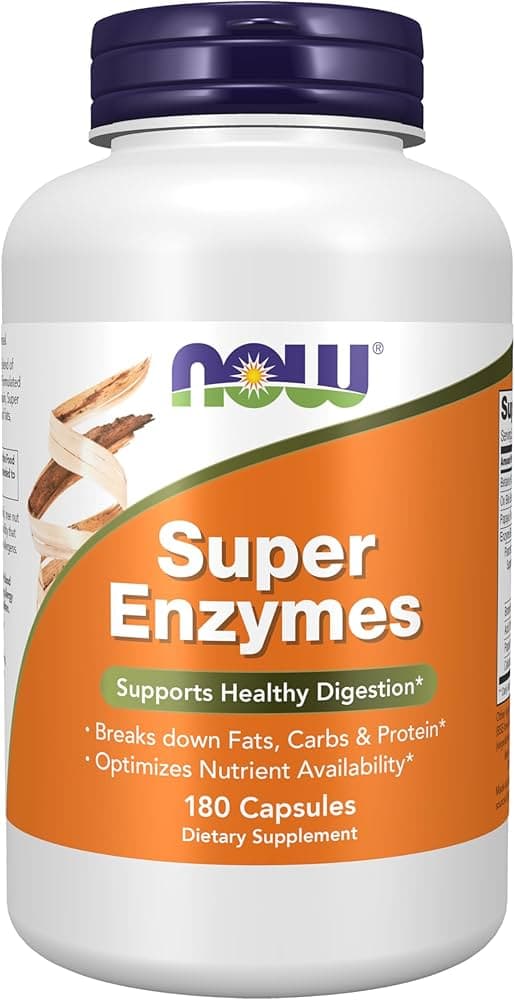
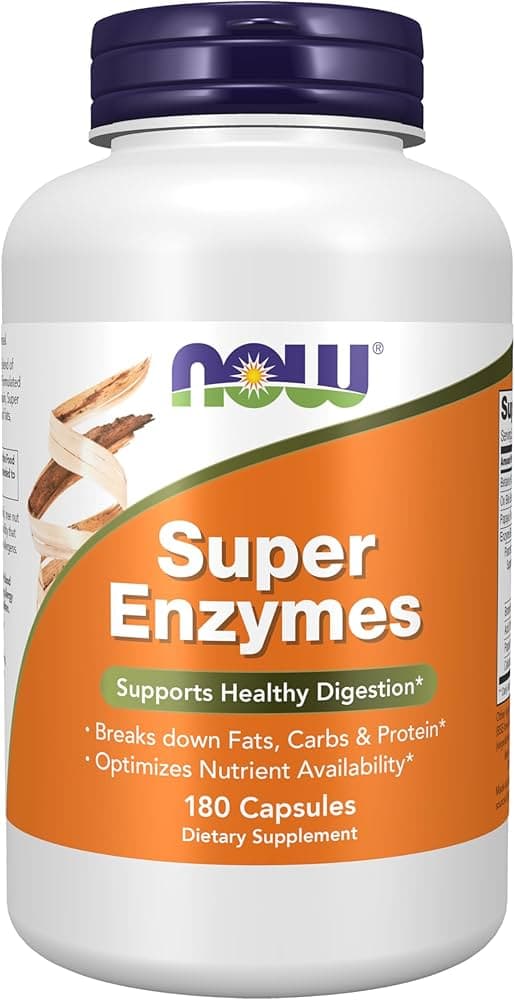
- If you mostly struggle with protein digestion, papaya works. If you have broader digestive issues (fats, carbs too), a full-spectrum enzyme blend covers more ground.
- Can I just eat papaya instead?
- Absolutely. Fresh green papaya has the most enzyme content. Ripe papaya has less papain but more vitamins. Both are great options.
- Is papaya safe during pregnancy?
- Ripe papaya in normal food amounts is fine. But concentrated papain supplements and large amounts of unripe papaya are best avoided. The papain may stimulate uterine contractions.
- Do the enzymes survive stomach acid?
- Papain actually works well in acidic environments, which is unusual for enzymes. It's active across a pH range of 3-9, making it effective in your stomach.
Why these belong in the same formula. Each row says what the basis is, from settled biochemistry through to a trial that measured the pair.
Papain from papaya and bromelain from pineapple cut peptide bonds at different residues and hold activity across different pH bands of the gut. Together they break down more of a mixed protein meal than either alone, which is why they are co-formulated.
Papaya contributes protease activity only, so it is combined with amylase and lipase to cover starch and fat in the same meal. The blend matches the three macronutrient classes rather than one.
Papaya flesh carries a high ascorbate load, which reduces ferric iron to the ferrous form the DMT1 transporter accepts. Non-heme iron taken with the fruit is absorbed more readily.
Papaya's lycopene and beta-cryptoxanthin are lipid soluble and depend on mixed micelles to reach the enterocyte. Co-ingested fat raises how much of the carotenoid load is actually taken up.
A purified beta-carotene dose competes with papaya's lycopene and beta-cryptoxanthin for the same intestinal transporter and the same limited micelle space. High single-carotenoid doses lower the uptake of the fruit's own carotenoids.
Papain is the cysteine protease the papaya plant makes, concentrated in the latex of unripe fruit. A fruit powder carries it at whatever level the harvest maturity and drying temperature left behind, while an isolated papain preparation declares activity units. Adding isolated papain to a fruit powder is the ordinary way to make protease activity a specified number rather than an inference.
Pepsin works only in the acid of the stomach and stops when it meets duodenal alkalinity. Papaya cysteine proteases stay active across a wider pH span, so the two cover different stretches of the same protein-digestion job. The pairing is mechanistically coherent and is not backed by a combination trial.
Betaine hydrochloride lowers gastric pH transiently, which is the condition pepsin needs and which also unfolds dietary protein so proteases can reach interior bonds. Papaya proteases tolerate that acidity better than most. Anyone with a sensitive stomach lining should be careful with acidifiers regardless of the enzyme.
Pancreatin supplies trypsin, chymotrypsin, amylase and lipase and acts in the alkaline small intestine. Papaya protease acts earlier and across a wider pH range. Combining plant and animal-derived enzymes broadens the pH window of a blend rather than raising activity at any one point.
Protease and lipase act on entirely different macronutrients, so pairing them widens what a blend covers in a mixed meal. Neither enhances the other chemically. This is complementarity, not synergy.
Amylase cleaves starch while papaya protease cleaves peptide bonds, covering two of the three macronutrients in one blend. Ripe papaya itself carries fermentable sugars and pectin rather than much starch. The pairing is standard blend construction.
Plant proteases hydrolyse whey protein readily, and the food industry uses that reaction deliberately to make hydrolysates. Taken together in the gut the same chemistry applies to the protein in the shaker. Hydrolysis also produces bitter peptides, which is the usual reason a ready-to-drink product avoids adding active protease.
Collagen peptides are already hydrolysed, so a protease has less left to do on them than on intact protein. Papaya protease can still cleave the remaining bonds toward smaller fragments. Any benefit here is on digestion of the surrounding meal rather than on the peptides themselves.
Bile salts emulsify fat so lipase can reach it, an entirely separate step from proteolysis. Full-spectrum digestive formulas pair the two to cover both fat and protein. No interaction between bile salts and papaya proteases is described.
Ginger is used for gastric emptying and nausea while papaya is used as a protein-digestion aid, so a formula pairing them addresses two different parts of an uncomfortable meal. Ginger also carries its own protease, zingibain. The combination rests on tradition and separate mechanisms rather than on a joint trial.
Menthol relaxes gut smooth muscle, which is a motility effect and not a digestive one. It is combined with enzyme preparations for post-meal comfort. Enteric coating matters here, since uncoated peppermint oil tends to produce reflux.
Slippery elm mucilage coats mucosal surfaces and is used alongside digestive preparations by convention. It supplies no enzymatic activity. The pairing is traditional and not measured.
Papaya fruit is a notably rich food source of ascorbic acid, so a fruit powder contributes vitamin C alongside its enzyme and carotenoid content. How much survives depends on drying temperature and storage, since ascorbate degrades with heat, light and oxygen. A powder should declare an assayed figure rather than one carried over from fresh fruit tables.
Red-fleshed papaya varieties carry lycopene, and unusually for a food source it sits there in a form that is absorbed comparatively well. Lycopene is fat soluble, so absorption depends on eating some fat with it. Yellow-fleshed varieties carry very little, which is why variety matters more than the fruit name.
Papaya supplies provitamin A carotenoids, chiefly beta-cryptoxanthin along with beta-carotene, which the intestinal enzyme beta-carotene oxygenase cleaves toward retinal. Conversion efficiency varies between people and is far lower than the arithmetic of carotenoid weight suggests. Preformed vitamin A and the carotenoid route are not interchangeable unit for unit.
Papaya carries a mixed carotenoid profile, and carotenoids share the same lipid-dependent absorption route through mixed micelles. Sharing that route means they can also compete for it when doses are large. Taking carotenoids with a fat-containing meal matters more than which one is in the capsule.
Papaya contributes pectin, a fermentable soluble fibre, and inulin adds a second fermentable substrate from a different chemical class. Both reach the colon intact and are used by resident bacteria. The trade-off is gas during the first days at higher combined doses.
Fermented papaya preparations are made by culturing the fruit, which converts sugars and modifies the phenolic fraction before anyone swallows it. Live strains taken alongside the fruit encounter its pectin as fermentable substrate. Ferment-derived products and fruit powder are not the same material and should not be read across.
Yeast preparations are combined with fruit and enzyme blends in gut formulas, and yeasts are the organisms used in some papaya fermentations. Any interaction is at the level of substrate rather than a direct one. Regard the pairing as formulation practice.
Both appear in blends aimed at post-exercise comfort, papaya through its protease content and curcumin through its own chemistry. A laboratory study of papaya pectin reported anti-inflammatory signalling in a human stem cell derived intestinal model, which is a cell finding rather than a human one. The pairing itself has not been tested.
Clays and charcoals adsorb proteins onto their surfaces, and an enzyme is a protein. Taken in the same swallow as an enzyme-bearing powder, a binder can plausibly reduce delivered activity. Spacing the two by a couple of hours removes the question at no cost.
Cysteine proteases depend on a reduced thiol at the active site, and heavy metal ions bind thiols, which is the classic way these enzymes are inhibited in the laboratory. Whether a mineral capsule taken with a fruit powder reaches an inhibitory concentration in the gut is not established. This is a chemistry-level flag, not a measured loss of activity.
Talk to a doctor before taking Papaya Fruit if any of these apply to you: Papain content varies by preparation, Can cause allergic reactions (latex cross-reactivity), May interact with blood thinners. These are flags to check first, not effects Papaya Fruit is known to cause.
Not medical advice. Show the label to your pharmacist.What Papaya Fruit actually does.
The working parts of papaya are protein-cutting enzymes, mainly papain and chymopapain plus caricain and glycyl endopeptidase. They snip proteins into fragments rather than all the way down to single amino acids.
Each of these enzymes has a reactive sulfur group at its business end. That group is why oxidising agents and heavy metals shut them down, and why cysteine gets added to keep lab preparations working.
Papaya's enzymes stay active across a wider acidity range than pepsin, which needs stomach acid, or trypsin, which needs an alkaline gut. That range is the practical reason plant enzymes go into digestive blends.
Enzyme content is highest in the sap of unripe green fruit and falls as it ripens. How mature the fruit was at harvest, not the word papaya on the label, sets how much enzyme a powder can carry.
Where Papaya Fruit comes from.
Which papaya you get depends on when it was picked and which part was used. Green fruit and the milky latex from it carry the protein-digesting enzymes, so those are dried gently and sold by enzyme activity rather than by weight. Ripe fruit is dried for its vitamin C, orange pigments and fibre. Leaf and seed are different materials again, and a label that just says papaya has not told you which one is in the bottle.
Made from a plant. What ends up in the capsule tracks the harvest, so batch testing and a stated marker matter more here than with a made molecule.
Grown in tropical and subtropical regions. Harvest maturity is the decision that sets what the finished powder can contain: green fruit for enzyme activity, ripe fruit for carotenoids and sugars. Planting material increasingly comes from tissue-cultured propagation rather than from seed.
Unripe fruit is scored on the tree and the exuding latex is collected and dried quickly, since the protease loses activity on standing wet.
Whole fruit is cultured with yeast over weeks, converting sugars and modifying the phenolic fraction before drying. This route produces a different material from either powder.
Flesh or latex is dried below the temperature at which cysteine proteases denature, most often by freeze drying or controlled hot air. This step, more than any other, decides whether declared enzyme activity survives.
Protease preparations are standardised in activity units against a casein or similar substrate rather than by weight of powder. Fruit powders sold for their nutrient content are instead assayed for carotenoid or ascorbate levels.
Milled, blended with carriers and often with other enzymes, then filled. Latex-derived material carries an allergen statement because of the cross-reactivity between papaya latex proteins and natural rubber latex sensitivity.
Getting Papaya Fruit from food.
The whole-food sources on file. A supplement closes the gap, it does not replace dinner.
A gram-for-gram figure (how much of each you would eat to match a dose) will appear here once it is sourced and reviewed. This page will not print a number it cannot cite.
The forms it comes in.
The essence, in one line each.
- A review of carotenoid sources found papaya among the tropical fruits carrying meaningful amounts of beta-carotene and lycopene, carotenoids the body uses for vitamin A formation and antioxidant activity respectively.Systematic review. Dos Santos et al., 2024 (Molecules (Basel, Switzerland)). PMID 38792052 ↗
- Pectin isolated from both ripe and unripe papaya reduced inflammatory signalling in a human stem cell derived ileum model, with the two ripeness stages behaving differently. This is a cell model measure of signalling, not a human outcome.In vitro study. Donadio et al., 2026 (Molecular Nutrition and Food Research). PMID 41543350 ↗
- A fermented papaya and noni preparation was assessed against oxidative stress and inflammatory markers. The reported endpoints are laboratory markers and the material is a fermented preparation rather than plain fruit powder.Open-label trial. Kharaeva et al., 2022 (Nutrients). PMID 35684003 ↗
- Snacks fortified with papaya fruit seeds were assessed in a preliminary school feeding study, with the authors reporting changes in stool parasite egg counts. The study is small, uncontrolled and used seed rather than fruit flesh.Open-label trial. Kugo et al., 2018 (BMC Complementary and Alternative Medicine). PMID 30526582 ↗
- Papaya seed used as a feed additive was reported to change egg performance, egg quality and serum measures in laying hens. A livestock feeding result that does not transfer to people.Animal study. Dissa et al., 2023 (Veterinary Medicine and Science). PMID 37846947 ↗
- An ethanolic extract of papaya leaf was reported to lessen markers of lead-induced tissue damage in rats. The material is leaf rather than fruit and the measures are animal tissue markers.Animal study. Haakonde et al., 2026 (Frontiers in Toxicology). PMID 42038107 ↗
- Papaya combined with a glucose-lowering drug was reported to affect antioxidant and insulin signalling markers in a rodent model. The design tests a drug plus food combination in animals and the endpoints are tissue markers.Animal study. Zeweil et al., 2026 (Scientific Reports). PMID 41792420 ↗
- An efficient somatic embryogenesis protocol was developed for a named papaya variety, which speaks to how planting material is propagated rather than to any effect of eating the fruit.In vitro study. Chandrasekar et al., 2026 (Plants). PMID 41901412 ↗
- A review of fruit seeds as functional ingredients that names papaya seed among the materials with reported bioactive content. It summarises composition work rather than testing an effect.Narrative review. Fernandes et al., 2026 (Molecules). PMID 42197178 ↗
- A review of fruit biofortification that discusses papaya among crops whose micronutrient content can be raised agronomically. It is an agricultural synthesis, not a human study.Narrative review. Bashir et al., 2026 (Frontiers in Plant Science). PMID 42339381 ↗
- A review of fruit and vegetable peels, papaya included, as alternative poultry feed. The framing is agricultural waste use rather than human supplementation.Narrative review. Getahun et al., 2026 (Veterinary Medicine and Science). PMID 41553170 ↗
These are the studies our verdict leans on, chosen from the 1,099 we read for Papaya Fruit. The full linked list is below.
FDA Disclaimer: These statements have not been evaluated by the Food and Drug Administration. This information is for educational purposes only and is not intended to diagnose, treat, cure, or prevent any disease. Consult your healthcare provider before starting any supplement regimen.