Sunflower Seed Oil.
A carrier oil in softgels that helps your body absorb fat-soluble vitamins and nutrients. Acts as a carrier oil that enhances absorption of fat-soluble vitamins and nutrients in softgel capsules.
Reviewed March 2026
- Category
- General
- Also filed under
- Improves absorption of fat soluble vitaminsNatural source of vitamin EClean softgel filler
What Sunflower Seed Oil is, and what it does.
- Does it work
- Good carrier oil. Contains some vitamin E. But at capsule amounts, the nutritional contribution is minimal.
- How much to take
- Not something you dose. It's in the capsule to support absorption.
- Time to feel it
- It works with the capsule it rides in, dissolving over minutes, so it has no onset of its own. As a dietary fat, its effects read on a blood lipid panel over months.
- The first dose
- You swallow the capsule, the shell opens, and the oil helps its contents dissolve into the micelles that carry them across the gut wall. No sensation attaches to that.
- With regular use
- At capsule amounts it contributes little on its own. Eaten as a cooking oil it is a real source of linoleic acid and alpha-tocopherol over months.
- How well tolerated
- Well tolerated and a common food oil. Sunflower allergy is rare but real. Polyunsaturated oil goes rancid with heat and light, so keep bottles closed and cool.
- How it feels
- You don't feel it. It just helps other things work better.
- The overlooked benefit
- Linoleic acid competes with alpha-linolenic acid for the same desaturase, so how much of it you eat shapes how much long chain omega 3 your body makes for itself.
The proof, claim by claim.
These words describe the research, not the molecule's worth. Research strength is how much work stands behind one claim, and it is never a product score.
- Enhances fat-soluble vitamin absorption
- Provides meaningful vitamin E
Questions people ask about Sunflower Seed Oil.
- Is sunflower oil bad because of omega-6?
- At dietary amounts (tablespoons), the omega-6 content is worth considering. At supplement capsule amounts (milligrams), it's irrelevant.
- Is this better or worse than olive oil in softgels?
- Olive oil has polyphenol benefits. Sunflower oil has more vitamin E. For a carrier oil, both work fine.
- Should I avoid this if I have a seed allergy?
- Refined sunflower oil typically has proteins removed, reducing allergy risk. But if you have a confirmed sunflower allergy, check with your allergist.
Why these belong in the same formula. Each row says what the basis is, from settled biochemistry through to a trial that measured the pair.
Conventional sunflower seed oil is dominated by linoleic acid, so the oil is largely a food form of that fatty acid. High-oleic seed types shift the profile toward oleic acid instead.
High-oleic sunflower seed oil carries mostly oleic acid, which is what makes it stable enough to use as an encapsulation oil. That composition is the reason it is picked over the linoleic type in softgels.
Linoleic acid from the seed oil is desaturated by delta-6 desaturase to gamma-linolenic acid. A GLA ingredient enters the same n-6 chain one step further along.
The n-6 pathway runs from linoleic acid through GLA and dihomo-GLA to arachidonic acid. Sunflower seed oil is a large upstream contributor to that pool.
Linoleic acid and the n-3 fatty acids compete for the same delta-6 desaturase and elongase steps. A heavy linoleic load reduces flux along the n-3 branch of that shared enzyme set.
Alpha-linolenic acid and linoleic acid are substrates for the same desaturase, so the ratio between them decides how much ALA is converted onward. A linoleic-rich oil pushes that ratio away from the n-3 side.
Sunflower seed oil is one of the richest natural alpha-tocopherol sources and it needs that tocopherol to resist peroxidation of its own double bonds. The pairing is both compositional and protective.
Each polyunsaturated double bond adds a site where a peroxidation chain can start, so tocopherol requirement rises with polyunsaturated intake. Natural d-alpha tocopherol is also the form the seed oil itself supplies.
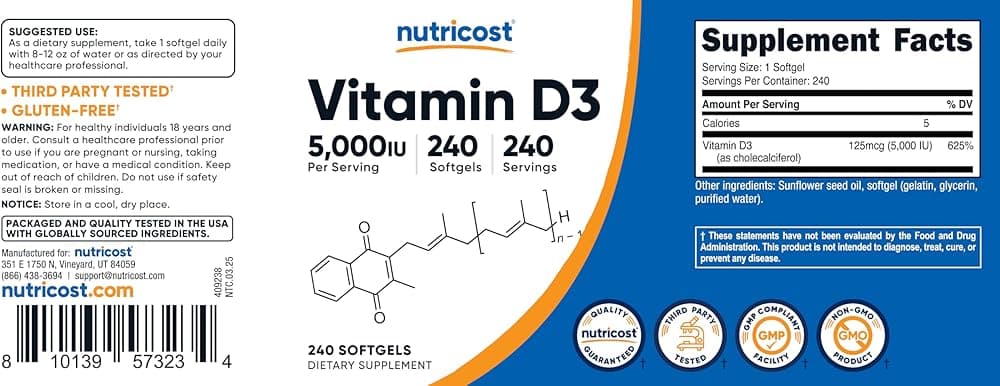
Cholecalciferol reaches the enterocyte only through bile salt and lipid mixed micelles. A carrier oil in the same capsule supplies the lipid that micellisation needs.
Retinyl esters need lipase action and a micellar phase before uptake. Suspending them in seed oil provides both the substrate and the vehicle.
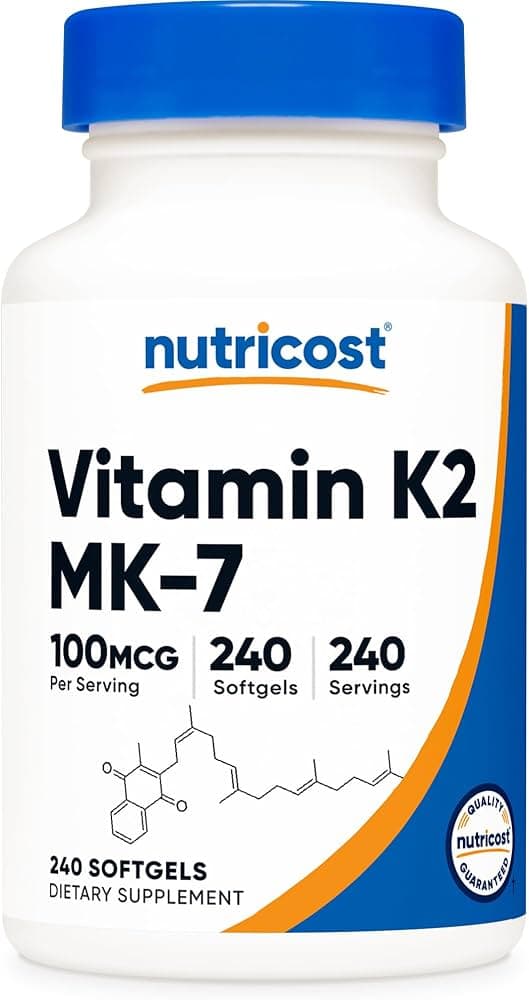
MK-7 is strongly lipophilic and its uptake follows dietary fat in the same meal. High-oleic sunflower seed oil is the usual suspending medium in MK-7 softgels.
Carotenoid uptake depends on partitioning into fat droplets and then mixed micelles. Even a small amount of oil alongside the dose raises the absorbed fraction substantially.
Lutein is a xanthophyll that needs a lipid phase and bile to be micellised. Oil suspension is the standard way lutein beadlets and softgels are delivered.
Astaxanthin oleoresin is diluted in a carrier oil so the crystalline pigment disperses and can enter micelles. High-oleic sunflower seed oil is a common choice because it resists oxidation.
CoQ10 dissolves in warm oil and stays dispersed, which raises the share that reaches the micellar phase compared with dry powder. Oil-filled softgels are built on this.
Lecithin breaks the oil into fine droplets and increases the interface where pancreatic lipase acts. Both come from the same seed and are routinely combined in one delivery system.
Alpha-tocopherol is the dominant tocopherol in sunflower oil and it terminates lipid peroxidation chains in the oil itself as well as in the body. Adding a mixed tocopherol preparation supplies the gamma, delta and beta forms that refining strips or that the seed carries in smaller amounts. The pairing is standard oil formulation. The relationship is one of overlapping chemistry, not of a tested clinical combination.
Hepatic alpha-tocopherol transfer protein preferentially binds alpha-tocopherol and loads it onto circulating lipoproteins, while tocotrienols are handled far less efficiently. A high alpha-tocopherol intake, which sunflower oil supplies, therefore tends to lower circulating tocotrienol levels. This is established vitamin E pharmacokinetics and is why the two are often dosed apart. It is a transport observation about blood levels, which are markers rather than outcomes.
When alpha-tocopherol quenches a lipid peroxyl radical it becomes a tocopheroxyl radical. Ascorbate donates an electron at the membrane surface and regenerates the tocopherol, becoming a comparatively stable ascorbyl radical itself. Sunflower oil is a dietary source of the tocopherol side of that couple. The recycling step is settled biochemistry demonstrated in vitro and in model membranes.
Reduced coenzyme Q10 sits inside the membrane and can hand an electron to a tocopheroxyl radical without the antioxidant having to reach the aqueous interface. Sunflower oil contributes the alpha-tocopherol to that cycle. The chemistry is established from membrane and liposome work. It describes radical handling, not a measured health outcome.
Carotenoids are absorbed only when they partition into bile-salt mixed micelles, and that requires dietary fat in the same meal. Sunflower oil supplies that fat, which is the basis of the stored claim that it enhances fat-soluble vitamin absorption. The effect is on how much reaches the blood. Blood carotenoid concentration is a marker of uptake, not an outcome in itself.
Zeaxanthin has to be released from its matrix and taken into mixed micelles before enterocytes can absorb it. A fat source eaten at the same time drives bile release and micelle formation. Sunflower oil is one such source and is used as the carrier in softgel formats for the same reason. The claim is about absorption, not about what the xanthophyll then does.
Phylloquinone is carried in chylomicrons after micellar absorption, so taking it with fat rather than without raises how much is absorbed. Sunflower oil is a common carrier in oil-filled capsules. This is the same absorption physiology that underlies the page's stored claim about fat-soluble vitamins. It concerns delivery.
Curcumin has very low aqueous solubility and low oral bioavailability. Dispersing it in an oil phase, sunflower oil among them, keeps it in solution and routes it through the same micellar pathway that carries dietary lipid. Lipid-based curcumin preparations show higher plasma curcuminoid levels than unformulated powder, which is a pharmacokinetic marker. It says nothing about a clinical effect.
Delta-6 desaturase acts on both linoleic acid and alpha-linolenic acid, so a high linoleic intake from sunflower oil reduces the enzyme capacity available for the n-3 series. Preformed eicosapentaenoic acid bypasses that competition at the synthesis step but still competes for phospholipid incorporation and for the cyclooxygenase and lipoxygenase enzymes downstream. The competition is established biochemistry. Membrane fatty acid composition is a marker.
Docosahexaenoic acid sits at the end of the n-3 elongation and desaturation chain that uses the same enzymes as the n-6 chain fed by linoleic acid. Diets high in linoleic acid are associated with lower tissue n-3 proportions. That is an association measured in membrane fatty acid profiles, which are markers rather than outcomes. Preformed docosahexaenoic acid bypasses the synthesis competition.
Seed oils carry a sterol fraction dominated by beta-sitosterol, and refining removes part of it into the deodoriser distillate. Plant sterols compete with cholesterol for space in intestinal mixed micelles. Adding a sterol preparation to an oil that already contains sterols is additive rather than novel. The mechanism is micellar competition.
Carnosic acid and carnosol are lipid-soluble phenolic diterpenes that slow peroxide formation in an oil during storage. Because sunflower oil is high in polyunsaturated linoleic acid it is comparatively prone to oxidation, which is why rosemary extract is a common addition. This is a shelf-stability measure, working on the oil rather than in the body. The pairing is formulation practice.
Phosphatidylcholine is amphipathic and stabilises the interface between oil and water, which is why it emulsifies oil-filled and liquid preparations. Emulsified lipid presents more surface area to pancreatic lipase and to bile salts. Sunflower oil is one of the triglyceride phases so emulsified. The effect described is on dispersion and uptake.
Medium-chain fatty acids are absorbed directly into the portal circulation with little need for bile-salt micelles, while the long-chain linoleic and oleic acids of sunflower oil are re-esterified into chylomicrons and enter through the lymph. A blend therefore delivers lipid by two routes at different rates. Which route matters depends on what is being carried. This is settled lipid physiology.
Vitamin D is absorbed with dietary lipid through bile-salt micelles and chylomicrons. Sunflower oil is one of the standard carriers in softgel and drop formats for that reason. Serum 25-hydroxyvitamin D rises more when the vitamin is taken with a fat-containing meal than when it is taken fasted. Serum 25-hydroxyvitamin D is a status marker.
Talk to a doctor before taking Sunflower Seed Oil if any of these apply to you: High in omega-6 (not ideal in large dietary amounts, but negligible in supplements). These are flags to check first, not effects Sunflower Seed Oil is known to cause.
Not medical advice. Show the label to your pharmacist.What Sunflower Seed Oil actually does.
Linoleic acid, the main fat in conventional sunflower oil, is an essential fat, the body can't make it on its own, so it has to come from what you eat.
The body converts linoleic acid step by step into other related fats using the same enzymes it uses for the omega-3 series, eventually reaching arachidonic acid.
Sunflower oil is one of the richest common food sources of alpha-tocopherol, the form of vitamin E the liver preferentially holds onto.
Dietary fat triggers bile release, and once broken down by digestive enzymes it forms the tiny droplets that carry vitamins A, D, E and K and carotenoids across the gut wall.
Where Sunflower Seed Oil comes from.
Sunflower seeds are cleaned, hulled and squeezed for their oil, and what stays behind in the cake is usually washed out with a solvent that is then recovered. The raw oil is cleaned up in stages that take out gums, colour, waxes and smell. Before it ships, a lab checks which fatty acids it holds and how fresh it is, and it is packed under nitrogen so it does not go rancid.
Made from a plant. What ends up in the capsule tracks the harvest, so batch testing and a stated marker matter more here than with a made molecule.
Sunflower seed, with the fatty acid profile set by the cultivar: conventional high-linoleic, mid-oleic and high-oleic lines are separate breeding programmes.
Seed is cleaned, partly dehulled, conditioned and mechanically pressed. The press cake is commonly extracted further with hexane to recover the remaining oil.
Where solvent extraction is used, the miscella is stripped and the solvent recovered and recycled, leaving crude oil and a defatted meal.
Phospholipids are removed as gums, free fatty acids neutralised, pigments adsorbed on bleaching clay, waxes crystallised out in winterisation and volatiles stripped under vacuum steam.
The lot is assayed by gas chromatography for its fatty acid distribution and checked for peroxide and free fatty acid values. Tocopherol is often added as an oxidation control.
Packed under nitrogen for bulk supply or filled into softgels and emulsions as a carrier.
Getting Sunflower Seed Oil from food.
The whole-food sources on file. A supplement closes the gap, it does not replace dinner.
A gram-for-gram figure (how much of each you would eat to match a dose) will appear here once it is sourced and reviewed. This page will not print a number it cannot cite.
The forms it comes in.
The essence, in one line each.
- Reviewing human studies of seed oils including sunflower oil, effects on blood lipids, inflammatory and oxidative markers and blood sugar control were mixed rather than uniform.Systematic review. Fornari Laurindo et al., 2025 (Frontiers in nutrition). PMID 39996006 ↗
- The authors report improved coat condition in cats and dogs given a polyunsaturated-fatty-acid-rich oil supplement. This is a veterinary observation in companion animals and does not transfer to people.Animal study. Cai X et al., 2026 (Open Veterinary Journal). PMID 42376104 ↗
- Oil supplementation shifted rumen microbial community structure and functional pathways in sheep. The endpoints are microbial community markers in a ruminant digestive system, which has no direct human counterpart.Animal study. Shao L et al., 2026 (Animals). PMID 42278015 ↗
- A mechanistic animal study of dietary oil supplementation against fine particulate exposure that names seed oils among the comparison fats. The readouts are mechanistic markers in animals.Animal study. Zhou L et al., 2022 (Environmental Health). PMID 36309727 ↗
- A narrative review of functional foods and nutraceutical compounds in women's reproductive and metabolic health that names dietary oils among the compounds discussed. A review of this kind summarises literature and measures nothing itself.Narrative review. Singnale P et al., 2026 (Cureus). PMID 42099351 ↗
These are the studies our verdict leans on, chosen from the 2,304 we read for Sunflower Seed Oil. The full linked list is below.
The studies, linked.
2 sources behind our Sunflower Seed Oil verdict: peer-reviewed studies and registered clinical trials. Every one links straight to PubMed, the journal, or ClinicalTrials.gov. Read them yourself.
- Clinical trialImpact of Sunflower Seed Oil Massage on Neonatal Mortality and Morbidity in NepalClinicalTrials.gov ↗Phase 3, 29,260 participants, Completed
- Clinical trialProspective Randomized Vehicle-Controlled, Double-Blind Assessment of the Effect of Coconut and Sunflower Seed Oil Derived Isosorbide Diseters and Colloidial OatmealClinicalTrials.gov ↗40 participants, Unknown
Evidence surfaced via Semantic Scholar (Allen Institute for AI) and ClinicalTrials.gov. Ranked by study type and citation weight, not cherry-picked.
Problems people have reported.
Read this carefully. These are 336 voluntary, unverified reactions reported to the FDA (openFDA). The number mostly reflects how popular Sunflower Seed Oil is, not how risky it is. A report is not proof Sunflower Seed Oil caused anything. It is a signal of what to watch for, nothing more.
Source: openFDA adverse-event reports. Voluntary reporting, not an incidence rate.
FDA Disclaimer: These statements have not been evaluated by the Food and Drug Administration. This information is for educational purposes only and is not intended to diagnose, treat, cure, or prevent any disease. Consult your healthcare provider before starting any supplement regimen.