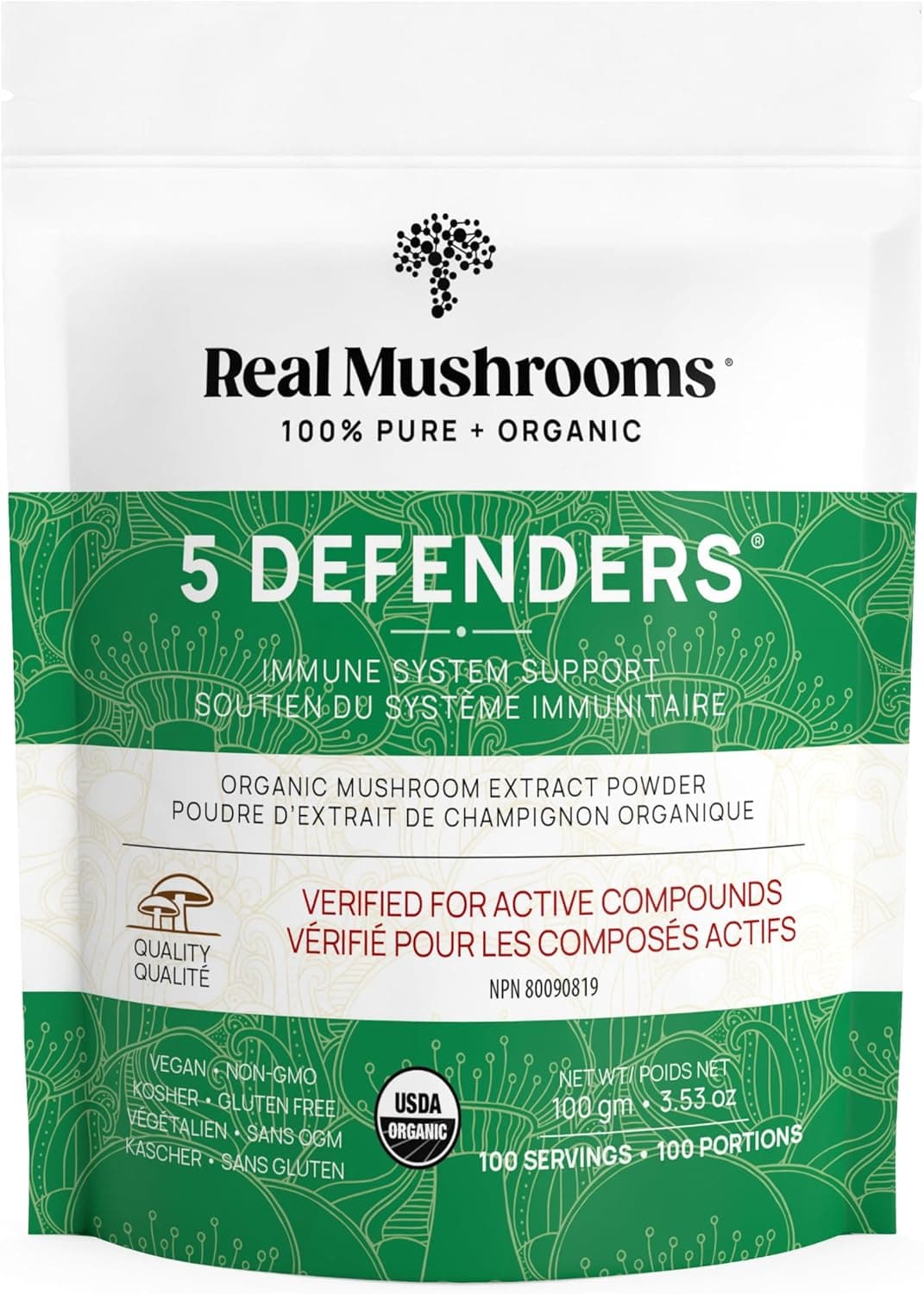
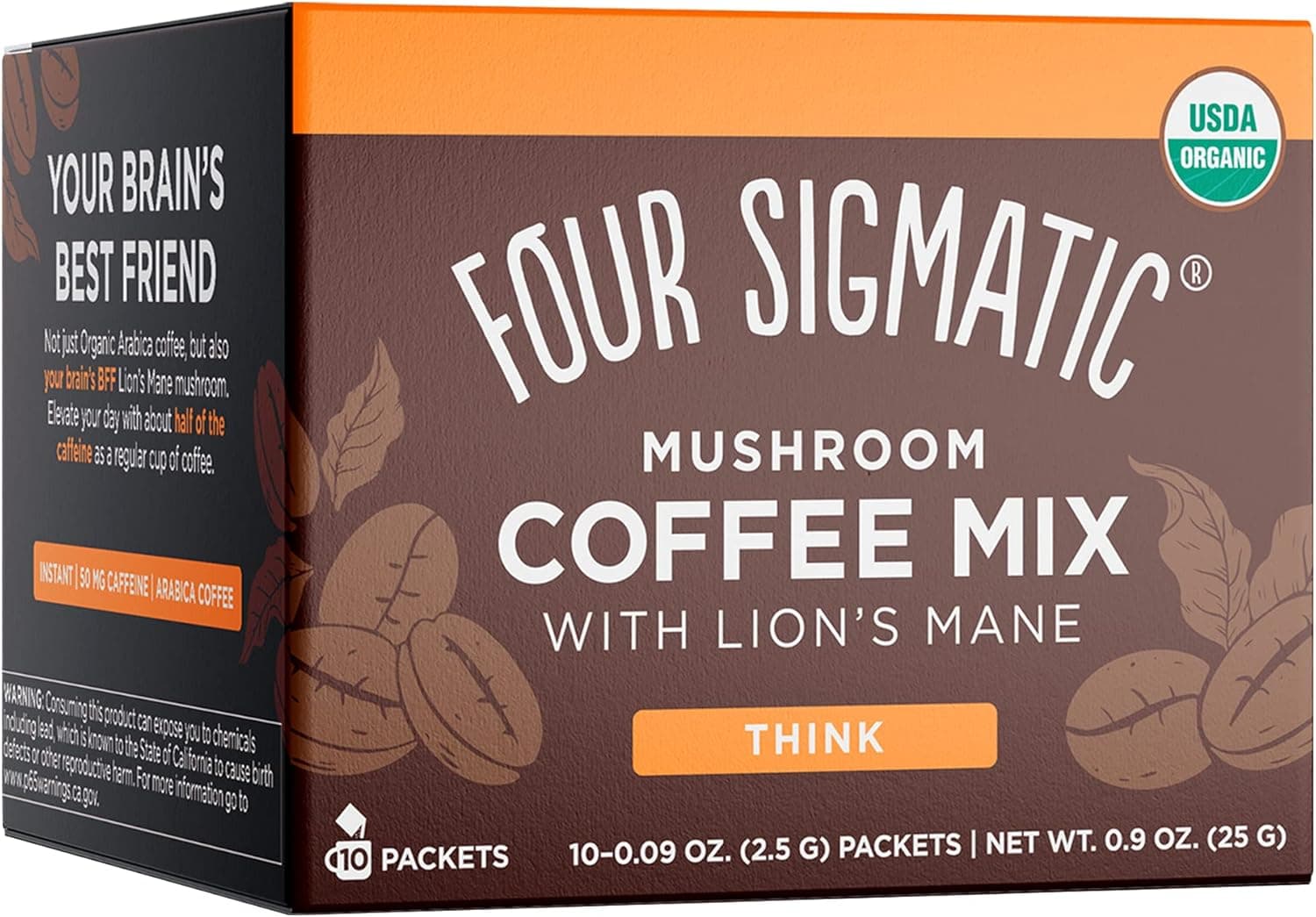
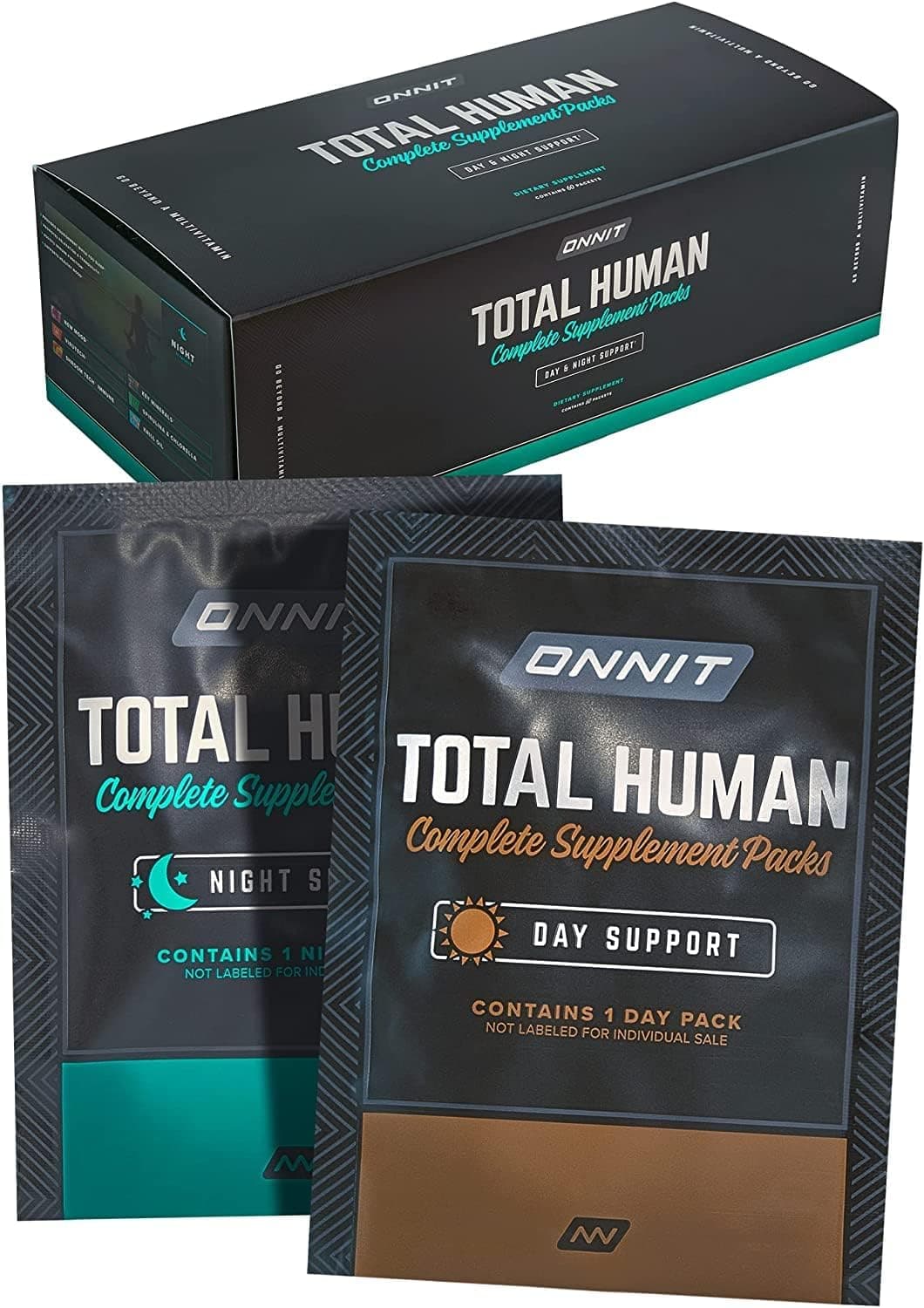
Chaga Mushroom.
May offer immune support and antioxidant benefits, though more research is needed at typical supplement doses. A birch fungus extract taken daily for antioxidant and immune support. Its beta-glucans reach the gut intact and meet immune receptors there. Most of the human work is still early.
Reviewed March 2026
- Category
- Herb
- Also filed under
- Immune supportAntioxidant properties
What Chaga Mushroom is, and what it does.
- Does it work
- Suits people who want a daily antioxidant and immune botanical and don't mind a dark, earthy taste. The human work is early, with 262 records at Europe PMC and most of it laboratory.
- How much to take
- Start with around 500mg a day of extract, the daily maintenance amount on record. The 4,000mg used in studies is a research condition rather than a daily target.
- Time to feel it
- Weeks rather than days. Four to eight weeks of daily use is the window where antioxidant and immune markers get measured, not something you notice after a cup.
- The first dose
- Nothing dramatic beyond a dark, earthy taste. The glucan fraction is busy at gut immune receptors, which shows up as a marker-level change rather than a feeling.
- With regular use
- Four to eight weeks of daily use is the window where antioxidant and immune markers get measured. Those are markers of pathway activity, not measured outcomes.
- How well tolerated
- Well tolerated by most people. It carries oxalate, so go steady if you're prone to that, and check with your clinician if you take blood thinners or glucose medicines.
- How it feels
- Undramatic. A dark, coffee-like drink with no lift and no sedation, because what shifts turns up on antioxidant and immune markers across weeks.
- The overlooked benefit
- Chaga carries ergosterol, which turns into vitamin D2 under ultraviolet light. Material dried in the dark contributes very little, so how a batch was dried matters.
500mg a day is where Chaga Mushroom works.
Source: Glamoclija et al. 2015 review; Zhong et al. 2009 World J Gastroenterol
The proof, claim by claim.
These words describe the research, not the molecule's worth. Research strength is how much work stands behind one claim, and it is never a product score.
While Chaga has demonstrated antioxidant and immune-modulating properties in in-vitro and animal studies, human research is limited, particularly at typical supplement dosages. More clinical trials are needed to confirm its efficacy and safety.
- Antioxidant capacity of the melanin pigment complexIn vitro study
- Recognition of beta-glucans by dectin-1 and related receptorsIn vitro study
- Immune modulationAnimal study
- Triterpene content varying with growing substrateNarrative review
Questions people ask about Chaga Mushroom.
- When should I take it?
- Timing matters less than consistency. Pick a time that works for you and take it daily.
- Can I take it with other supplements?
- Usually fine. The main thing to watch is not doubling up on the same ingredient from different products. If you're on prescription meds, check with your pharmacist first.
- Any side effects to watch for?
- Most people tolerate it well at recommended doses. GI upset is the most common complaint with any supplement. Start with a lower dose and work up. If something feels off, stop and reassess.
Why these belong in the same formula. Each row says what the basis is, from settled biochemistry through to a trial that measured the pair.
Chaga's activity rests largely on its own beta glucans, which are recognised by dectin-1 and complement receptors on immune cells. Added purified beta glucan feeds the same recognition pathway.
Reishi contributes triterpenes and its own polysaccharide profile alongside chaga's melanin and betulinic acid derivatives. Mixed mushroom blends rely on that non-overlapping chemistry.
Turkey tail supplies protein-bound polysaccharides that engage immune recognition receptors differently from chaga's fractions. The two widen the range of polysaccharide structures presented.
Maitake's branched beta glucan differs in linkage pattern from chaga's, so the pair presents a broader set of ligands to the same receptors. Mushroom complexes are built on this logic.
Cordyceps nucleosides act on energy metabolism while chaga contributes antioxidant polyphenols and glucans. They cover different jobs inside one blend.
Vitamin D acts through the nuclear vitamin D receptor to shape immune cell behaviour, while chaga glucans act at surface pattern recognition receptors. The two arms of immune regulation are separate.
Zinc is needed for thymic function and for the enzymes immune cells use when activated by glucan recognition. It supports the response chaga helps trigger.
Chaga is notably high in oxalate, which binds calcium in the gut to form an insoluble salt that is not taken up. Taking the two at the same meal lowers the calcium actually absorbed.
Chaga's oxalate and polyphenol content binds non-heme iron in the gut lumen and reduces uptake. Spacing the two apart keeps iron absorption intact.
Chaga and lion's mane appear together in most multi-mushroom blends, each contributing a different fraction: beta-glucan rich polysaccharide from chaga, and the hericenone and erinacine fraction from lion's mane. The pairing is a formulation convention with a shared extraction method rather than a tested combination. No trial has measured the two together.
Ascorbate regenerates oxidised polyphenols in vitro, which is the usual argument for pairing it with a polyphenol rich extract like chaga. Working the other direction, chaga carries a notable oxalate load and a portion of high dose ascorbate is metabolised to oxalate, so the two add to the same urinary pool. Anyone tracking oxalate intake should count both.
Oxalate binds divalent cations in the gut lumen, and chaga is among the higher oxalate botanicals. Magnesium taken in the same dose window is partly bound and partly unavailable, the same chemistry that already applies to the calcium and iron pairings recorded here. Separating the doses by a couple of hours is the usual way round it.
Chaga's polyphenol and melanin fraction is water extractable and acts in the aqueous phase, while tocopherols sit in membranes and lipoproteins. The two cover different compartments rather than duplicating each other. This is redox chemistry described in vitro. It is not a measured clinical outcome.
Lipoic acid and its reduced form cycle between the aqueous and lipid phases and can regenerate other antioxidants. Chaga's phenolic fraction is a substrate for that kind of regeneration in vitro. The pairing is a chemistry argument at the test tube level and has not been measured together in people.
A hot water chaga extract is mostly polysaccharide, and the human small intestine has no enzyme for beta-1,3 and beta-1,6 glucan linkages, so the fraction reaches the colon intact. Inulin is fermented in the same compartment. Together they raise total fermentable substrate, which for some people also means more gas.
Undigested fungal polysaccharide arriving in the colon is fermented by resident bacteria into short chain fatty acids. Supplying live cultures alongside the substrate is the standard synbiotic logic. Which organisms use chaga glucan specifically, and how much, has not been characterised.
Both extracts deliver polyphenols that scavenge radicals in vitro and both also bind dietary minerals in the gut lumen. Stacking them raises total polyphenol intake and also raises the mineral binding load in the same meal. That second half is the part usually left out.
Curcumin is a lipid soluble polyphenol and chaga's active fraction is largely water soluble, so the two are extracted and dosed differently while acting on overlapping redox chemistry. They co-appear in wellness blends for that complementary solubility. No study has tested the combination.
An Inonotus obliquus extract shifted hepatic oxidative stress markers in a rodent model, and silymarin is studied in the same marker set. The overlap is at the level of preclinical markers, not human outcomes. A marker is not an outcome and neither compound has been tested with the other.
Astragalus polysaccharide and chaga polysaccharide are combined in traditional and modern blends aimed at everyday immune support. Both are high molecular weight polysaccharides extracted with hot water. The pairing rests on practice and shared chemistry, not on a combination study.
Chaga is commonly blended with adaptogenic botanicals such as ashwagandha in daily powders and coffee substitutes. The two act through unrelated chemistry, withanolides against fungal polysaccharide and polyphenol. The pairing is a product convention and nothing more has been measured.
Rhodiola and chaga share a northern latitude traditional use and turn up in the same blends. Their constituents, rosavins and salidroside against polysaccharides and triterpenes, do not overlap chemically. Read this as formulation convention rather than a mechanistic pairing.
Schisandra lignans are alcohol extracted while chaga's polysaccharide fraction needs water, so dual extraction preparations carry both. The pairing comes from tonic herbal practice. No combination data exists.
Talk to a doctor before taking Chaga Mushroom if any of these apply to you: May interact with blood thinners, Potential for allergic reactions, Consult a doctor if pregnant or breastfeeding. These are flags to check first, not effects Chaga Mushroom is known to cause.
Not medical advice. Show the label to your pharmacist.What Chaga Mushroom actually does.
Chaga is the hard sterile conk of a fungus that grows on living birch. Its black outer crust gets that colour from a melanin pigment complex, which accounts for much of the antioxidant activity measured in lab studies.
The polysaccharides are mostly beta-1,3 and beta-1,6 linked glucans, and your digestive enzymes can't cut those bonds. So that fraction reaches your colon intact, where innate immune receptors such as dectin-1 recognise it.
Chaga contains ergosterol, the sterol in fungal membranes, which converts to vitamin D2 when it gets ultraviolet light. Material that hasn't been exposed contributes very little vitamin D.
Beta-glucans and triterpenes dissolve in opposite things, glucans in hot water and triterpenes in alcohol. That's why a single-solvent extract only carries part of what a dual extract carries.
Where Chaga Mushroom comes from.
Chaga is a hard black growth that forms on birch trees. It gets dried, ground, and then simmered in water, soaked in alcohol, or both, because the two useful fractions dissolve in different liquids. The liquid is filtered, tested, and dried into a powder. Material grown on grain instead of on birch is missing the compounds that came from the tree.
Made from a plant. What ends up in the capsule tracks the harvest, so batch testing and a stated marker matter more here than with a made molecule.
The black conk is harvested from living birch trees, largely in northern forests. Cultivated mycelium grown on grain is a separate starting material with a different constituent profile, since the birch derived triterpenes are absent.
Wild conks are cut, dried below the temperature that degrades the phenolic fraction, and milled. Moisture control at this step is what keeps a batch from moulding.
Hot water under pressure solubilises the beta-glucan fraction. Ethanol takes the triterpenes and sterols. Dual extraction runs both and recombines the liquors.
The extract liquor is filtered to remove insoluble chitin residue, then concentrated under vacuum before drying.
The dried extract is assayed, commonly for beta-glucan by enzymatic method or for total polyphenol, then blended with carrier to a declared figure and an extract ratio.
Powder for capsules and drink blends, or a hydroalcoholic liquid where the triterpene fraction is wanted in solution.
The forms it comes in.
The essence, in one line each.
- A review of mushrooms as protein sources that characterises the nutritional and functional composition of the group, chaga among the species named.Narrative review. Pawde SV et al., 2026 (Foods). PMID 42073187 ↗
- The authors weigh the molecular arguments for and against dietary and medicinal mushrooms in translational research and are explicit that the preclinical signals outrun the clinical evidence.Narrative review, in cells. Kirdeeva Y et al., 2026 (International Journal of Molecular Sciences). PMID 41683739 ↗
- Inonotus obliquus extract changed oxidative stress markers in a rodent liver model. The endpoints are biochemical markers in animals, not clinical outcomes.Animal study. Ahmad Z et al., 2025 (Environmental Toxicology and Pharmacology). PMID 39889918 ↗
- A review of mushroom nutrition in relation to normal neurologic function that summarises constituent chemistry and preclinical work across species including chaga.Narrative review. Bell V et al., 2025 (Nutrients). PMID 40362877 ↗
- Adding a medicinal mushroom powder to gluten-free bread raised measured antioxidant activity of the product. The measurement is on the food, not on a person.In vitro study. Kobus Z et al., 2026 (Scientific Reports). PMID 41735479 ↗
These are the studies our verdict leans on, chosen from the 5 we read for Chaga Mushroom. The full linked list is below.
The studies, linked.
2 sources behind our Chaga Mushroom verdict: peer-reviewed studies and registered clinical trials. Every one links straight to PubMed, the journal, or ClinicalTrials.gov. Read them yourself.
- Clinical trialEffect of Natural Immune Modulators on Upper-Respiratory Tract Infections (URTIs) and Psychological Mood StateClinicalTrials.gov ↗120 participants, Completed
- Clinical trialRapid Response of Stem Cells and Immune Cells for Efficacy: An Acute Randomized Double-blind Placebo-controlled Cross-over TrialClinicalTrials.gov ↗24 participants, Recruiting
Evidence surfaced via Semantic Scholar (Allen Institute for AI) and ClinicalTrials.gov. Ranked by study type and citation weight, not cherry-picked.
FDA Disclaimer: These statements have not been evaluated by the Food and Drug Administration. This information is for educational purposes only and is not intended to diagnose, treat, cure, or prevent any disease. Consult your healthcare provider before starting any supplement regimen.