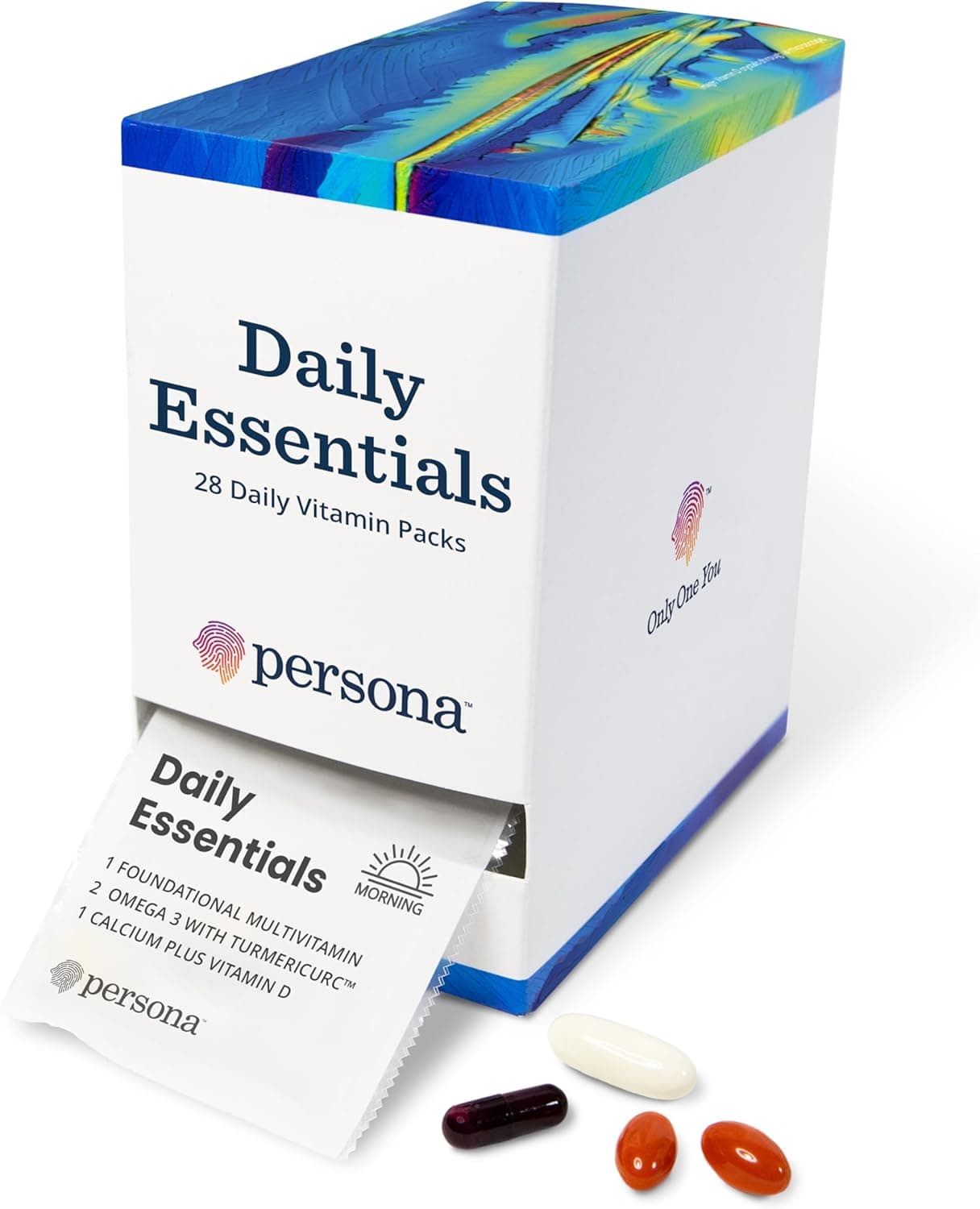
Multivitamin Base.
A foundational multivitamin and enzyme carrier used as the base matrix in multi-ingredient supplements. It is the part of a tablet that is not vitamins: bulk, binding, a lubricant for the press, and something that swells so the tablet breaks apart in your stomach. It carries the actives.
Reviewed March 2026
- Category
- General
- Also filed under
- Provides supplement matrix structureMay include trace enzymesFoundation for other active ingredients
What Multivitamin Base is, and what it does.
- Does it work
- It's a formulation tool, not a health supplement. Scoring it as an ingredient is like scoring the capsule shell.
- How much to take
- Not applicable. You don't dose a carrier ingredient. It comes in whatever amount the manufacturer uses to hold the formula together.
- Time to feel it
- It disintegrates in the stomach within minutes so the vitamins pressed inside it are released. It is a carrier rather than an active, and it has no onset of its own.
- The first dose
- Nothing from the base itself. Any effects come from the active ingredients it carries.
- With regular use
- No independent long-term effects. It's just a delivery vehicle.
- How well tolerated
- Well tolerated. It's designed to be inert and well-tolerated.
- How it feels
- You don't feel a carrier matrix. That's the whole point.
- The overlooked benefit
- The disintegrant is why a tablet works at all. Without something that pulls water in and breaks the compact apart, the vitamins inside would pass through largely undissolved.
100 to 500mg a day is where Multivitamin Base works.
Source: Not applicable (carrier ingredient)
The proof, claim by claim.
These words describe the research, not the molecule's worth. Research strength is how much work stands behind one claim, and it is never a product score.
- Helps nutrient absorption
- Provides nutritional value
Questions people ask about Multivitamin Base.
- Why is this listed as an ingredient?
- Because it's technically in the product. It's like listing water as an ingredient in soup. True, but not why you bought it.
- Does it add any nutritional value?
- Not meaningfully. Some bases include small amounts of enzymes, but the base itself isn't providing health benefits.
- Should I look for a specific type of base?
- Not worth worrying about. Focus on the active ingredients and their doses instead.
- Can I be allergic to the base?
- Possibly, if it contains common allergens like soy lecithin, dairy derivatives, or wheat-based fillers. Check the full ingredient list.
- Does a better base mean a better supplement?
- Sometimes. A well-designed base can improve ingredient stability and dissolution. But it's not the main thing to evaluate.
- Why does it score so low?
- Because it's not an active ingredient. It's like scoring the bottle the supplement comes in. It serves a purpose, but it's not why you're taking the product.
Why these belong in the same formula. Each row says what the basis is, from settled biochemistry through to a trial that measured the pair.
Ascorbate reduces ferric iron to the ferrous form that DMT1 carries and keeps it soluble at intestinal pH. Adding vitamin C to a base containing non-heme iron raises how much of that iron is taken up.
Extra iron alongside a base already carrying zinc, copper and manganese means several divalent cations compete for the same DMT1 route across the enterocyte. Large single doses of one mineral reduce the fractional uptake of the others.
Zinc and the iron in a mineral-containing base compete at DMT1 when both are given in one dose on an empty stomach. Splitting the doses across the day removes most of the overlap.
High zinc in a base induces metallothionein in the enterocyte, which binds copper with higher affinity and holds it in cells that are later shed. A generous zinc load without matched copper lowers copper status over time.
A large calcium dose in the same sitting reduces non-heme iron uptake at the enterocyte, which is why calcium is usually taken apart from an iron-containing base. Calcium also competes with magnesium and zinc for shared absorptive capacity at high loads.
Vitamin D drives calbindin and TRPV6 expression in the gut, the active route for calcium in the base. Without adequate vitamin D status a calcium-carrying base is absorbed mostly by passive diffusion.
Vitamin K2 carboxylates osteocalcin and matrix Gla protein, the proteins that direct calcium into bone mineral and keep it out of soft tissue. It is the usual partner for the calcium and vitamin D a base already carries.
A viscous soluble fibre gel slows and physically traps divalent minerals, so iron, zinc and calcium from a base taken at the same time are less available. Spacing the fibre a couple of hours away avoids it.
The vitamins A, D, E and K in a base need bile micelles, and mineral oil dissolves them while itself staying unabsorbed. Taken together, part of the fat-soluble fraction of the base passes through.
Magnesium is required by the hydroxylase steps that convert vitamin D to its active form, and it partners ATP in essentially every kinase reaction. It is also bulky, so a full daily amount rarely fits in a single multivitamin tablet and most products carry a fraction of it. Anyone reading a multivitamin label for magnesium should check the elemental amount rather than the salt weight.
Selenium is incorporated as selenocysteine into glutathione peroxidases and into the deiodinases that convert thyroid hormone. Its useful range is narrow compared with most other micronutrients, so multivitamins keep the amount modest. Selenium and vitamin E both act on lipid peroxidation defence from different points in the same chain.
Thyroid hormone is built by iodinating tyrosine residues on thyroglobulin, so iodine is a structural input with no substitute. Selenium-dependent deiodinases then convert the hormone to its active form, which links the two minerals directly. Multivitamins usually supply iodine as potassium iodide or kelp, and kelp content varies widely by lot.
Molybdenum sits in the molybdopterin cofactor of sulfite oxidase, xanthine oxidase and aldehyde oxidase. Sulfite oxidase handling matters for sulfur amino acid metabolism. Requirements are microgram-scale and ordinary diets usually meet them, which is why multivitamin amounts are small.
Chromium is included in most multivitamin bases on the basis of reported effects on insulin receptor signalling and glucose handling markers. Pooled trial results have been inconsistent, with several meta-analyses failing to detect a difference in adults with normal glucose handling. The endpoints in question are markers, not outcomes.
Methionine synthase needs both methylcobalamin and 5-methyltetrahydrofolate to convert homocysteine back to methionine. When folate is high and B12 is low, folate is trapped in the methyl form and cannot be recycled, which is why the two are always dosed together in a base. Cyanocobalamin and methylcobalamin both feed this step after intracellular processing.
5-methyltetrahydrofolate is the circulating folate form and the direct substrate for methionine synthase, so it bypasses the MTHFR reduction step that folic acid must pass through. Multivitamin bases now use it or folic acid interchangeably at declared dietary folate equivalents. Folate given without adequate B12 can normalise a blood count while a B12 deficit continues unaddressed, which is the classic reason the two travel together.
Riboflavin becomes FMN and FAD, and FAD is the flavin cofactor MTHFR needs to make 5-methyltetrahydrofolate. Pyridoxine phosphate oxidase, which activates B6, is also FMN-dependent. Riboflavin therefore sits upstream of two other B vitamins in the same tablet, and it is what turns urine bright yellow after a multivitamin.
Thiamine pyrophosphate is required by pyruvate dehydrogenase, alpha-ketoglutarate dehydrogenase and transketolase, so carbohydrate oxidation stalls without it. Body stores are small relative to turnover, measured in weeks rather than months. Higher carbohydrate or energy intake raises the requirement proportionally.
Nicotinic acid and nicotinamide are both converted to NAD, the electron acceptor for dehydrogenase reactions across glycolysis, the TCA cycle and fatty acid oxidation. Tryptophan can be converted to niacin, a route that itself needs riboflavin and B6. The flushing seen with nicotinic acid is a prostaglandin-mediated skin response and does not occur with nicotinamide.
Coenzyme A is assembled from pantothenic acid, cysteine and ATP, and it carries acyl groups through fatty acid oxidation, the TCA cycle and acetylation reactions. Pantothenate shares the sodium-dependent multivitamin transporter with biotin, so very high intakes of one can reduce uptake of the other in the same dose.
Biotin is the cofactor for the four carboxylases including pyruvate carboxylase and acetyl-CoA carboxylase. It enters the enterocyte through the sodium-dependent multivitamin transporter, which also carries pantothenate and lipoate, so those inputs compete at the same door. Separately, high-dose biotin interferes with streptavidin-biotin immunoassays and can distort several common laboratory results, which is a testing artefact rather than a physiological effect.
Alpha-tocopherol stops lipid peroxidation chains in membranes and becomes a tocopheroxyl radical, which ascorbate at the membrane surface reduces back to tocopherol. The two therefore work in different compartments on the same problem. High-dose alpha-tocopherol lowers circulating gamma-tocopherol, which is why mixed tocopherol forms exist.
Beta-carotene 15,15 monooxygenase cleaves beta-carotene to two retinal molecules, and conversion efficiency varies several fold between people because of common BCMO1 variants. Because conversion is regulated by vitamin A status, provitamin A carotenoid does not accumulate to excess the way preformed retinol can. That is why many bases supply part of the vitamin A as carotenoid.
Retinol is oxidised to retinal for vision and to retinoic acid for gene transcription through RAR and RXR heterodimers. Unlike carotenoid, preformed retinol is absorbed without feedback control and accumulates in the liver, so multivitamin bases keep it within a set ceiling. Zinc is required for retinol binding protein synthesis, which links the two.
Choline is oxidised to betaine, which donates a methyl group to convert homocysteine to methionine along a route parallel to the folate and B12 pathway. It is also the head group of phosphatidylcholine. Choline is bulky and most multivitamins carry only a token amount, since a meaningful dose would not fit in the tablet.
Piperine slows intestinal glucuronidation and CYP3A4 metabolism, which raises the plasma exposure of several co-ingested compounds. In a multivitamin base it is included to lift absorption of poorly soluble actives such as curcumin. The same inhibition applies to medicines handled by those enzymes, so it is not a neutral excipient.
Galloyl-containing catechins bind non-haem iron in the gut lumen into poorly absorbed complexes, an effect measured directly in isotope absorption studies. A multivitamin taken with strong tea delivers less of its iron. Ascorbate in the same dose partly counteracts the binding by reducing iron to the ferrous state.
Activated charcoal adsorbs organic molecules non-selectively across its large surface area, including water-soluble vitamins and many drugs. Taken in the same window as a multivitamin it reduces how much is absorbed. Separating the two by several hours is the standard practice.
Colonic fermentation of inulin-type fructans lowers luminal pH and increases the soluble pool of calcium and magnesium available for uptake. Isotope work in adolescents measured higher fractional calcium absorption. The measured endpoint is absorption, a marker step rather than a health outcome.
Carbonate and oxide mineral salts need acid to dissolve before absorption, and gastric acid output falls with age and with acid-suppressing medicines. Betaine hydrochloride lowers gastric pH transiently. The rationale is chemical rather than clinical and the effect on any particular mineral has not been quantified here.
Inositol hexaphosphate from grains and legumes binds zinc, iron, calcium and magnesium and carries them through the gut unabsorbed. Phytase cleaves the phosphate esters and releases those cations. This matters most for a plant-heavy diet taken alongside a multivitamin at the same meal.
Vitamins A, D, E and K need micelle formation and bile to be absorbed, which requires fat in the same meal. A multivitamin taken with no fat delivers less of its fat-soluble fraction. Medium chain triglycerides are absorbed differently from long chain fats, so a long chain fat source is the more reliable partner for micelle formation.
Manganese and iron both use DMT1 for intestinal uptake, so iron status shifts manganese absorption and a large iron dose reduces it. Manganese is needed by manganese superoxide dismutase and by glycosyltransferases. Multivitamin amounts are small because dietary intake from grains and tea is usually adequate.
Talk to a doctor before taking Multivitamin Base if any of these apply to you: Not a therapeutic ingredient, Composition usually unspecified, Don't confuse with actual multivitamins. These are flags to check first, not effects Multivitamin Base is known to cause.
Not medical advice. Show the label to your pharmacist.What Multivitamin Base actually does.
The base of a multivitamin is packaging, not nutrition: bulking agents give it shape, disintegrants make it break apart in water, lubricants stop sticking during pressing, and a coating shields light-sensitive vitamins. None of it feeds you anything.
Water-soluble vitamins are stored only briefly and mostly leave in urine, so daily intake matters. Fat-soluble A, D, E and K build up in liver and body fat, which is why upper limits count more for that group.
Vitamins A, D, E and K need dietary fat to be absorbed well, so a multivitamin taken with a fat-free meal delivers less of that group than the same tablet taken with a meal containing fat.
Several B vitamins work in a chain rather than side by side: one activates the next. Run short at one link and the ones downstream slow down, no matter how much of those you supply.
Where Multivitamin Base comes from.
The base of a multivitamin is the part that is not vitamins: cellulose from wood pulp for bulk, a mineral salt for hardness, a small amount of lubricant so the machine can press it, and something that swells with water so the tablet breaks apart in the stomach. The vitamins themselves come from a mix of lab synthesis, ultraviolet light on sterols, and fermentation tanks. A little extra of each goes in at the start, because some vitamins fade on the shelf and the label has to still be true at the expiry date.
The same molecule is reached more than one way. Which route a given product used is a manufacturing choice, and the finished compound is the same either way.
Cellulose excipients come from wood pulp or cotton linters, dicalcium phosphate and mineral salts from refined phosphate and carbonate rock, and several vitamins from microbial fermentation of glucose or plant substrates.
Some vitamins are chemically synthesised at scale, ascorbic acid through a fermentation and chemical hybrid route from glucose, cholecalciferol from ultraviolet conversion of lanolin or lichen sterol, B12 entirely by bacterial fermentation since no chemical route is practical.
Mineral inputs are washed and refined to bring lead, cadmium, arsenic and mercury under elemental impurity limits, and synthetic vitamins are crystallised and tested for residual solvent.
Actives are made into premixes with a carrier so trace amounts can be dosed accurately in a large blend, and each is dosed with an overage sized to expected shelf-life loss. Sensitive actives such as vitamin C, folate and thiamine drive the overage calculation.
Premixes and excipients are blended, often wet or dry granulated for flow, lubricated and then compressed into tablets or filled into capsules. Coating follows for light protection or swallowability.
Getting Multivitamin Base from food.
The whole-food sources on file. A supplement closes the gap, it does not replace dinner.
A gram-for-gram figure (how much of each you would eat to match a dose) will appear here once it is sourced and reviewed. This page will not print a number it cannot cite.
The forms it comes in.
The essence, in one line each.
- Pooled trials found multiple micronutrient supplements taken during pregnancy or lactation improved several maternal nutrient status markers compared with iron and folic acid alone.Meta-analysis. Shinde et al., 2025 (Advances in nutrition (Bethesda, Md.)). PMID 40752545 ↗
- Reviewing trials in healthy adults, B vitamin containing supplements lowered blood homocysteine, a marker rather than an outcome, while other supplement types showed little change.Systematic review. Liu et al., 2025 (Nutrition reviews). PMID 39960689 ↗
- A daily multi-ingredient nutrition powder moved intakes of several micronutrients closer to recommended levels and shifted gut microbial composition in healthy adults.Clinical trial. Gonzalez et al., 2026 (Frontiers in nutrition). PMID 41988471 ↗
- A systematic review of micronutrient supplementation around adult gastrointestinal surgery reported mixed findings, with several pooled comparisons failing to detect a difference between supplemented and control groups.Systematic review. Salman D et al., 2025 (Frontiers in Nutrition). PMID 41459083 ↗
- A Cochrane review of fall-prevention interventions in care facilities that includes nutrient supplementation among the interventions assessed, with certainty of evidence varying by intervention type.Systematic review. Dyer SM et al., 2025 (Cochrane Database of Systematic Reviews). PMID 40832852 ↗
- A case report describing thiamine depletion after a switch from intravenous to enteral nutrition, illustrating how small water-soluble vitamin stores are relative to daily turnover.Case report. Loel B et al., 2026 (Intestinal Failure). PMID 42088370 ↗
- A review of the physiology and evidence base behind ergogenic and medical supplement use, including micronutrient supplementation, with recommendations graded by strength of underlying data.Narrative review. Rowland A et al., 2026 (Journal of the International Society of Sports Nutrition). PMID 41685663 ↗
These are the studies our verdict leans on, chosen from the 1,555 we read for Multivitamin Base. The full linked list is below.
FDA Disclaimer: These statements have not been evaluated by the Food and Drug Administration. This information is for educational purposes only and is not intended to diagnose, treat, cure, or prevent any disease. Consult your healthcare provider before starting any supplement regimen.