Sunflower Lecithin.
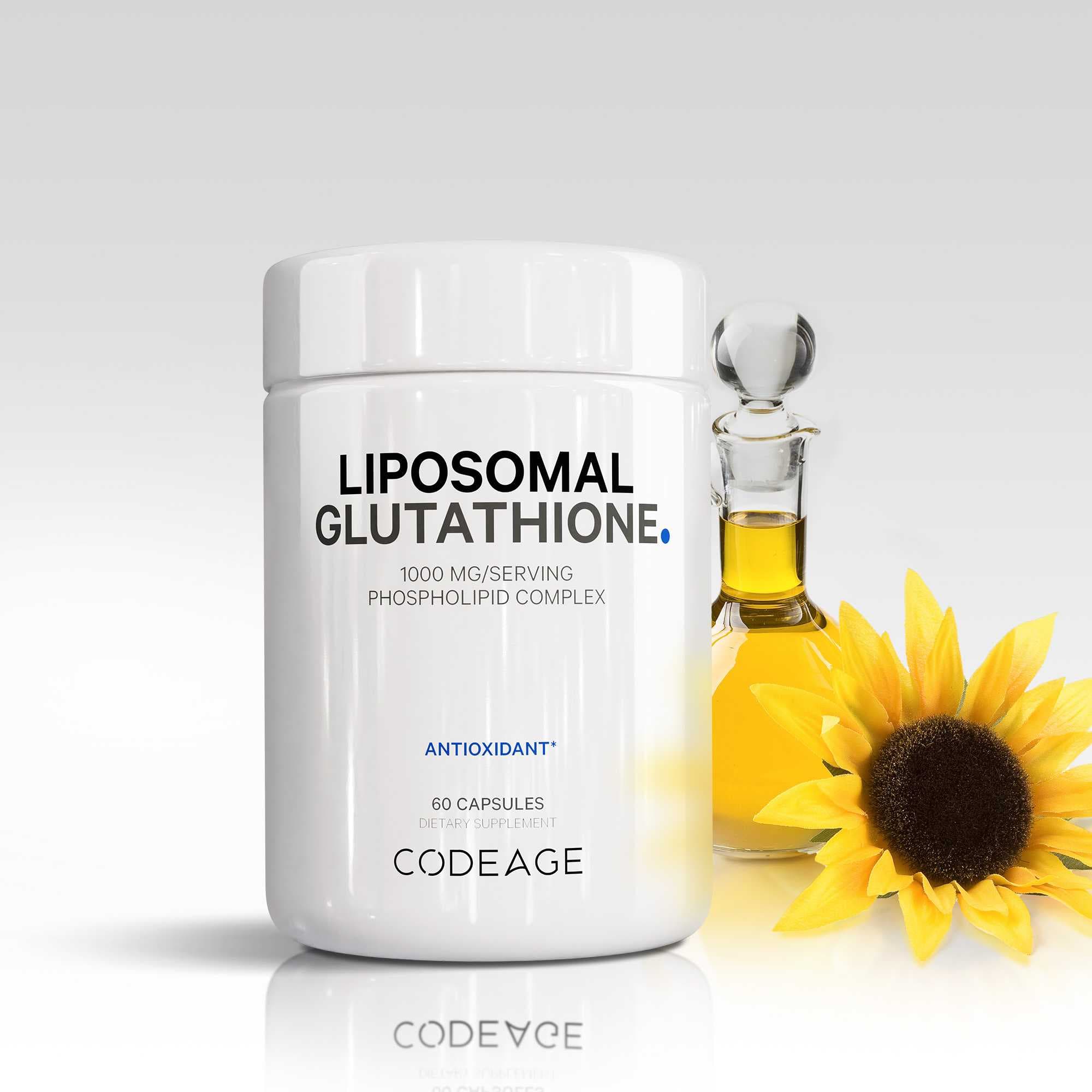
A soy-free phospholipid source that supports brain and liver health while helping your supplements mix properly. Provides phosphatidylcholine for brain cell membranes and liver function. Also works as a natural emulsifier to help supplements mix properly.
Reviewed March 2026
- Category
- Compound
- Also filed under
- Choline source for brain healthLiver supportEmulsifier for better absorptionSoy free alternative
What Sunflower Lecithin is, and what it does.
- Does it work
- Legit choline source when properly dosed. Most supplements use it as an emulsifier at sub-therapeutic amounts.
- How much to take
- 1-3g daily for health benefits. If your label lists it under 'other ingredients,' you're not getting enough for therapeutic effects.
- Time to feel it
- Choline status shifts over two to four weeks and shows up on a blood panel rather than in how you feel. As an emulsifier, it does its job from the first capsule.
- The first dose
- Not much at first. Choline effects build over weeks.
- With regular use
- At proper doses: better choline status, liver support, improved cell membrane health. Takes 2-4 weeks.
- How well tolerated
- Well tolerated. No common side effects. Soy-free, so no soy allergy concerns.
- How it feels
- At therapeutic doses, a subtle sense of mental clarity over weeks. Nothing dramatic.
- The overlooked benefit
- Phosphatidylcholine has to sit on the surface of the particles the liver uses to export fat, so choline supply is tied to how the liver moves triglyceride out.
1 to 3g a day is where Sunflower Lecithin works.
Source: Institute of Medicine, Choline AI; Zeisel SH. Nutrition. 2000
The proof, claim by claim.
These words describe the research, not the molecule's worth. Research strength is how much work stands behind one claim, and it is never a product score.
- Provides choline for brain healthIOM Choline AI; Zeisel SH. Nutrition. 2000
- Supports liver functionStudies on phosphatidylcholine and hepatic steatosis
Questions people ask about Sunflower Lecithin.
- Is this better than soy lecithin?
- Nutritionally, they're similar. The advantage is being soy-free and non-GMO. If you don't have soy concerns, both work.
- Am I getting enough from my supplement?
- If it's listed under 'other ingredients,' probably not. Therapeutic doses are 1-3g. Emulsifier amounts are 50-200mg.
- Can I use it for choline?
- Yes. 2g of sunflower lecithin provides roughly 250-350mg of choline, which is a decent contribution toward the 550mg daily recommendation.
- Does it help with clogged milk ducts?
- Many lactation consultants recommend it. The evidence is mostly anecdotal, but the safety is excellent and many women find it helpful.
- Is it the same as phosphatidylcholine?
- Lecithin contains phosphatidylcholine (about 20-30%) along with other phospholipids. Phosphatidylcholine supplements are more concentrated.
- Can I take too much?
- Very hard to overdo. Doses up to 5g/day are well-tolerated. Above 10g you might get some GI upset.
Why these belong in the same formula. Each row says what the basis is, from settled biochemistry through to a trial that measured the pair.
Sunflower lecithin is a phospholipid mixture in which phosphatidylcholine is the main species, so the two carry the same active molecule at different purities. Formulas pairing them stack one source of membrane phospholipid on another rather than adding a separate mechanism.
Phosphatidylcholine from lecithin is hydrolysed in the gut and liver to release free choline, so lecithin acts as a slow, lipid-bound choline source. Choline in turn is re-esterified into phosphatidylcholine for cell membranes and lipoprotein export.
Choline released from lecithin is oxidised to betaine, which donates a methyl group to homocysteine through betaine homocysteine methyltransferase. Supplying betaine directly spares choline for phospholipid synthesis instead of methylation.
Homocysteine is remethylated either by the folate and B12 dependent route or by the betaine route fed from choline. Adequate lecithin-derived choline lowers demand on the folate cycle and the same holds in the other direction.
B12 is the cofactor for methionine synthase, the folate-linked arm of homocysteine remethylation. Choline supplied as lecithin feeds the parallel betaine arm, so the two routes share the same one-carbon load.
The liver can build phosphatidylcholine by adding three methyl groups from S-adenosylmethionine to phosphatidylethanolamine. Dietary phosphatidylcholine from lecithin reduces how much of that methyl budget is spent on membrane lipid synthesis.
CoQ10 is a large lipophilic quinone with poor dissolution in gut fluid, and lecithin phospholipids form mixed micelles and liposomes that carry it into the absorptive phase. This is standard practice in softgel and liposomal CoQ10 delivery.
Curcumin is nearly insoluble in water and is routinely complexed with phospholipids so it disperses as a lipid-associated form. Lecithin supplies the phosphatidylcholine that forms that complex.
Cholecalciferol is absorbed only after partitioning into bile salt and phospholipid mixed micelles. Lecithin adds emulsifier to that micellar phase, which is why it appears as the carrier in many D3 liquids and liposomal formats.
Astaxanthin is a crystalline xanthophyll that disperses poorly on its own, and phospholipid emulsifiers keep it in a fine oil phase for micelle uptake. Lecithin is the usual emulsifier in astaxanthin oleoresin preparations.
Bile salts and dietary phospholipids together form the mixed micelles that carry fatty acids, monoglycerides and fat-soluble vitamins to the brush border. Lecithin contributes the phospholipid half of that pair.
Pancreatic lipase acts at the oil and water interface, so finely emulsified droplets are hydrolysed faster than coarse ones. Lecithin lowers interfacial tension and increases the surface area the enzyme can work on.
Long chain omega-3 triglycerides need emulsification before lipase can release the fatty acids, and lecithin is the standard emulsifier in omega-3 emulsions and spray-dried powders. Phospholipid-bound omega-3 also disperses more readily than the neat oil.
Krill oil already carries part of its EPA and DHA on phosphatidylcholine, which is the same carrier chemistry lecithin supplies. Both deliver fatty acids in a phospholipid rather than a triglyceride envelope.
Sunflower phosphatidylserine is produced by enzymatic head-group exchange on sunflower phosphatidylcholine, so lecithin is its raw material. In a formula the two contribute complementary membrane phospholipid species.
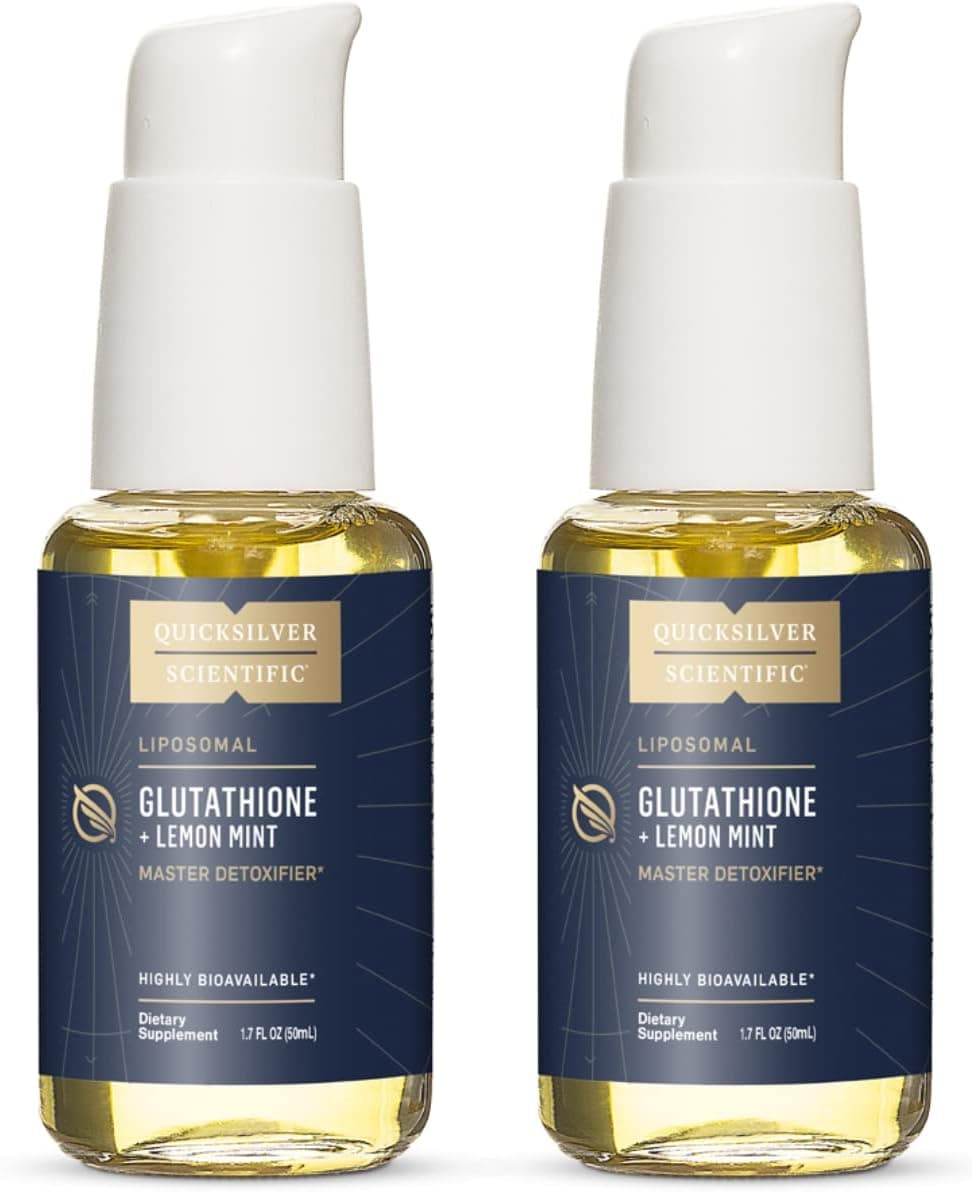
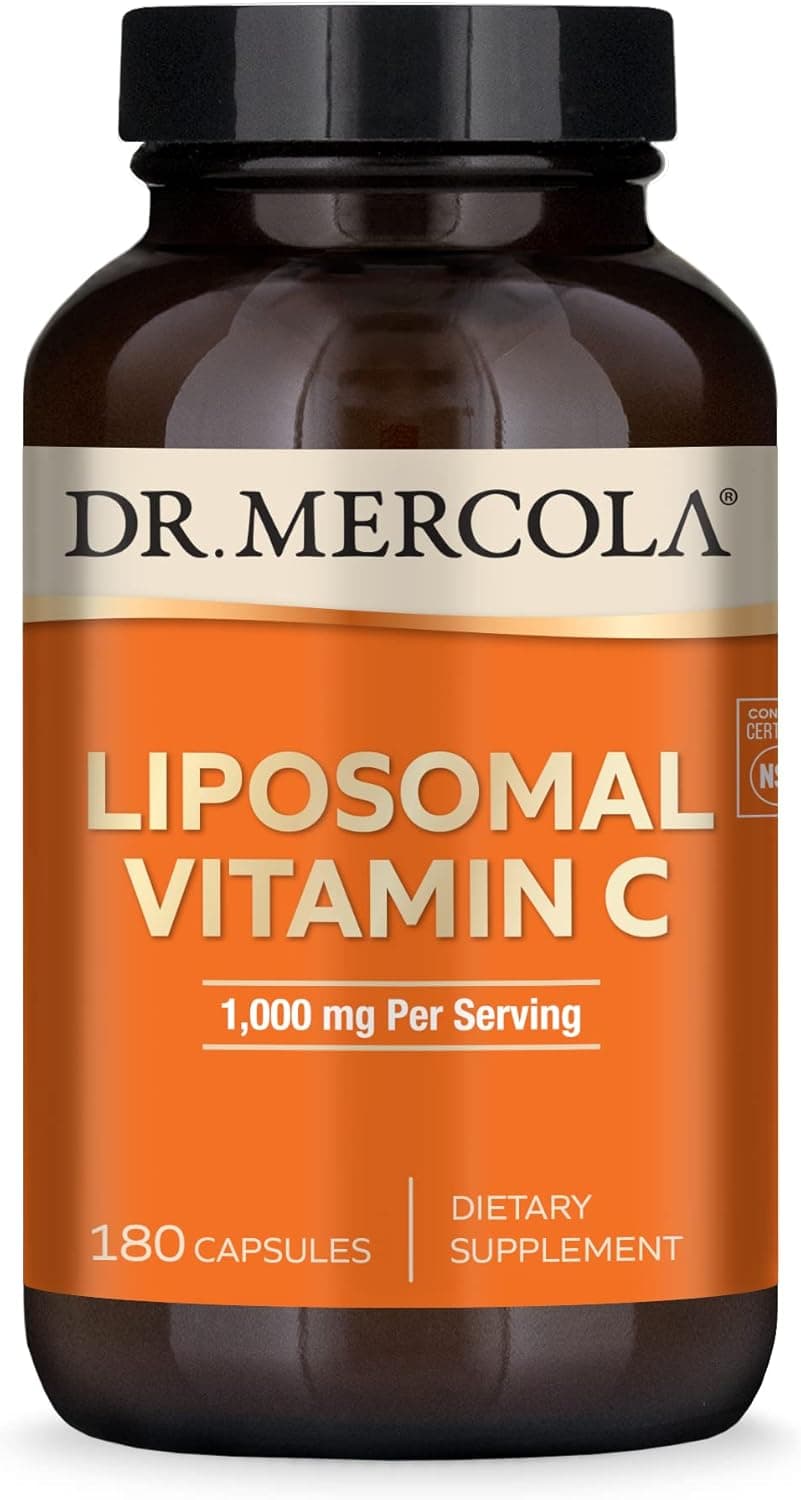
Liposomal ascorbate is made by encapsulating a water-soluble vitamin inside a phospholipid bilayer. Sunflower lecithin is the usual bilayer material, so it is the delivery system rather than a second active.
Lecithin phospholipids carry linoleic acid chains that are prone to peroxidation during storage. Tocopherol sits in the same lipid phase and terminates the chain reaction, which is why it is added to lecithin-containing oils.
Phosphatidylinositol is one of the phospholipid classes present in sunflower lecithin alongside phosphatidylcholine and phosphatidylethanolamine. Hydrolysis of that phospholipid releases inositol, which serves as the headgroup precursor for inositol phosphate signalling lipids. Lecithin therefore supplies a modest amount of inositol in bound form, distinct from taking free inositol.
Menaquinone-7 is strongly lipophilic and needs a lipid carrier and micellar incorporation to be absorbed. Lecithin emulsifies the oil phase carrying it, giving a finer droplet size at the point of digestion. The phospholipid is doing delivery work here, not contributing vitamin K activity.
Retinyl esters require bile salt and phospholipid mixed micelles before enterocyte uptake. Dietary phospholipid contributes to the surface-active layer of those micelles. This is standard fat-soluble vitamin physiology applied to a phospholipid emulsifier.
Carotenoids are crystalline and poorly wetted, so they are dispersed into emulsions or phospholipid complexes for delivery. Lecithin performs that dispersion. Finer dispersion means more surface available for micellar solubilisation during digestion.
Lycopene is highly lipophilic and crystallises readily, which limits how much reaches micelles from a dry powder. Lecithin-based emulsions and oleoresin dispersions are the standard formulation response. The relationship concerns delivery, and it does not change what the carotenoid does once absorbed.
Boswellic acids are poorly water-soluble, and lecithin-based delivery formulations are used specifically to improve their dispersion and absorption. Two published studies of a lecithin-based delivery form combining Curcuma and Boswellia extracts report on lower-gut symptom measures in adults. Those studies test the delivery form as a whole, so the lecithin is an enabling carrier rather than a co-active.
Silymarin flavonolignans have low aqueous solubility and modest oral absorption, and phospholipid complexes have been used for decades to address that. The phospholipid associates with the polar groups of the flavonolignan to form a more lipid-compatible complex. This is a well-established galenic technique in the phytochemical field.
Quercetin aglycone dissolves poorly in water and in oil, which caps how much reaches circulation from a plain powder. Phospholipid complexes and lecithin emulsions are among the delivery approaches used to raise its dispersion. The mechanism is physical, and the flavonoid's own actions are unchanged.
Resveratrol is poorly soluble and extensively conjugated in the gut wall and liver. Lecithin-based carriers are used to improve dispersion at the absorption surface. Improving dispersion does not address the conjugation step, which is the larger constraint on this molecule.
EGCG is water-soluble but unstable and poorly permeable, and phospholipid complexation has been used to improve its handling. Lecithin also protects the catechin from oxidative degradation in a finished product. The claim here is about delivery and stability.
Medium-chain triglyceride oil is a low-viscosity, oxidation-resistant carrier, and lecithin is the emulsifier that disperses it in water-based formats. The two together form the base of many liquid and emulsified supplements. Neither is the active in that arrangement.
Dietary phosphatidylcholine is hydrolysed at the sn-2 position by pancreatic phospholipase A2 to lysophosphatidylcholine and a free fatty acid before absorption. Lysophosphatidylcholine is itself a potent detergent that helps solubilise other lipids in the intestinal lumen. Pancreatic enzyme activity is what converts the emulsifier into that more surface-active form.
Hepatic export of triglyceride as very low density lipoprotein requires phosphatidylcholine for the particle surface, while carnitine is required to carry long-chain fatty acids into mitochondria for oxidation. Export and oxidation are the two routes by which fatty acids leave the liver cell. The pairing addresses different halves of normal hepatic lipid handling.
Choline released from phosphatidylcholine is oxidised to betaine in two steps, the second by a flavin-dependent betaine aldehyde dehydrogenase, and the first by a mitochondrial choline dehydrogenase that is itself a flavoprotein. Riboflavin status therefore sits behind the conversion of choline into a methyl donor. This is settled cofactor biochemistry.
Talk to a doctor before taking Sunflower Lecithin if any of these apply to you: Most products use it as excipient, not at therapeutic doses. These are flags to check first, not effects Sunflower Lecithin is known to cause.
Not medical advice. Show the label to your pharmacist.What Sunflower Lecithin actually does.
Lecithin isn't one molecule. It's a mix of several fat-related compounds, mainly a few different phospholipids, plus some other fats and fatty acids.
Each phospholipid has a water-loving head and fat-loving tails, which lets it sit right at the boundary between oil and water and hold emulsions, micelles and liposomes together.
A gut enzyme breaks down the phosphatidylcholine you eat into two pieces, and the gut lining absorbs one piece and rebuilds it before it moves on.
Phosphatidylcholine is a dietary source of choline, and the choline it releases can go three ways: build a nerve signaling molecule, become a methyl donor, or get rebuilt into cell membranes.
Where Sunflower Lecithin comes from.
It is the gummy fraction that separates out when water is stirred into freshly pressed sunflower oil. That gum is dried down and either sold as it is, stripped of leftover oil to make granules, or refined further to concentrate the phosphatidylcholine. Sunflower is the seed of origin where a non-GMO declaration is wanted on the label.
Made from a plant. What ends up in the capsule tracks the harvest, so batch testing and a stated marker matter more here than with a made molecule.
Helianthus annuus seed is cleaned, dehulled and conditioned. Sunflower is not a commercially genetically modified crop in the main producing regions, which is the practical basis for a non-GMO designation on this material.
Seed is expeller-pressed and the residual oil is usually recovered from the cake by hexane extraction. Fully expeller-pressed routes avoid the solvent and recover less oil. Solvent routes recover more and require a desolventising step.
Water is mixed into the crude oil, and the phospholipids hydrate, become oil-insoluble and drop out as a heavy gum phase. This is the step that produces lecithin. It exists in the first place as a refining operation for the oil, so lecithin is a co-product of oil production rather than a directly harvested material.
The wet gums are vacuum-dried to fluid lecithin. For granules and powders the residual triglyceride is stripped with acetone or supercritical carbon dioxide, concentrating the phospholipids. Fluid lecithin skips this and keeps the oil.
Phospholipid content is expressed as acetone-insoluble matter, alongside moisture, peroxide value and hexane residue where solvent extraction was used. Fractionated grades are additionally assayed for phosphatidylcholine by chromatography.
The material ships as a fluid, as de-oiled granules or powder, or as an alcohol-fractionated phosphatidylcholine concentrate, depending on what the downstream format needs.
Whether a given batch came from expeller-pressed or hexane-extracted oil is rarely stated on a supplement label, and the two routes differ in whether a solvent removal step is involved.
Getting Sunflower Lecithin from food.
The whole-food sources on file. A supplement closes the gap, it does not replace dinner.
A gram-for-gram figure (how much of each you would eat to match a dose) will appear here once it is sourced and reviewed. This page will not print a number it cannot cite.
The forms it comes in.
The essence, in one line each.
- Lecithin based liposomal delivery raised vitamin C levels in plasma and in white blood cells more than standard vitamin C.Randomised trial. Purpura et al., 2024 (European journal of nutrition). PMID 39237620 ↗
- Reports meibomian gland function measures before and after sunflower lecithin supplementation in adults attending an eye clinic for tear-film complaints. These are gland-function measurements, and the report is small and single-centre.Open-label trial. Akosman S et al., 2025 (Cureus). PMID 41523453 ↗
- In rodents given scopolamine to impair memory performance, a sunflower oil fortified with vitamins D and A plus sunflower lecithin was associated with better performance on the behavioural tests used. The intervention was a fortified oil, not lecithin alone.Animal study. Tang X et al., 2025 (Nutrients). PMID 39940410 ↗
- Reports symptom measures in adults with recurring lower-gut complaints after supplementation with a lecithin-based delivery form of Curcuma and Boswellia extracts. The lecithin is the delivery vehicle rather than the tested active.Open-label trial. Giacosa A et al., 2025 (Nutrients). PMID 40005051 ↗
- A second report on the same lecithin-based delivery formulation of Curcuma longa and Boswellia extracts, again describing symptom measures in adults rather than testing lecithin on its own.Open-label trial. Giacosa A et al., 2024 (Life). PMID 39598208 ↗
- A polyunsaturated fatty acid rich oil supplement was associated with hair coat condition scores in cats and dogs. Lecithin appears as a formulation component and the animals are companion species, so this does not carry to people.Animal study. Cai X et al., 2026 (Open Veterinary Journal). PMID 42376104 ↗
These are the studies our verdict leans on, chosen from the 513 we read for Sunflower Lecithin. The full linked list is below.
The studies, linked.
2 sources behind our Sunflower Lecithin verdict: peer-reviewed studies and registered clinical trials. Every one links straight to PubMed, the journal, or ClinicalTrials.gov. Read them yourself.
- Clinical trialEffect of Sunflower Lecithin Supplementation on Meibomian Gland Function in Adults With Dry Eye DiseaseClinicalTrials.gov ↗31 participants, Completed
- Clinical trialCannabidiol for the Treatment of Anxiety Disorders: An 8-Week Pilot StudyClinicalTrials.gov ↗Phase 3, 50 participants, Unknown
Evidence surfaced via Semantic Scholar (Allen Institute for AI) and ClinicalTrials.gov. Ranked by study type and citation weight, not cherry-picked.
Problems people have reported.
Read this carefully. These are 141 voluntary, unverified reactions reported to the FDA (openFDA). The number mostly reflects how popular Sunflower Lecithin is, not how risky it is. A report is not proof Sunflower Lecithin caused anything. It is a signal of what to watch for, nothing more.
Source: openFDA adverse-event reports. Voluntary reporting, not an incidence rate.
FDA Disclaimer: These statements have not been evaluated by the Food and Drug Administration. This information is for educational purposes only and is not intended to diagnose, treat, cure, or prevent any disease. Consult your healthcare provider before starting any supplement regimen.