L-Citrulline (Pure).
Pure citrulline without the malate. Simple and effective. Nitric oxide. Pumps. Endurance. Same as malate forms, just pure amino acid.
Reviewed March 2026
- Category
- Amino acid
- Also filed under
- Nitric oxideBlood pressureEndurance
What L-Citrulline (Pure) is, and what it does.
- Does it work
- Good research. Some studies use pure, some use malate. Both work.
- How much to take
- Start with 3,000mg a day. The 3,000 to 6,000mg band is where citrulline reliably lifts plasma arginine, and splitting it into two servings works fine.
- Time to feel it
- Plasma arginine climbs within an hour, which is when the blood flow effect during training shows up. Performance changes in trials accrue over one to two weeks.
- The first dose
- Plasma arginine climbs within the hour, so a dose before training lands with the session itself. Day one gives you blood flow rather than a stored effect.
- With regular use
- Weeks of daily use keep the arginine supply topped up. Trials running four to eight weeks report modest changes in training volume and in blood pressure already in the normal range.
- How well tolerated
- Well tolerated. Slight GI upset possible. Nothing serious.
- How it feels
- Pumps and endurance. Same experience as malate forms.
- The overlooked benefit
- Citrulline has no genetic codon, so none of it gets built into protein. What you take stays in the free pool for the kidney to convert into arginine.
3,000 to 6,000mg a day is where L-Citrulline (Pure) works.
Source: Perez-Guisado 2010 + Bailey 2015 exercise study
The proof, claim by claim.
These words describe the research, not the molecule's worth. Research strength is how much work stands behind one claim, and it is never a product score.
- Plasma arginine and nitric oxide productionRandomised trial
- Training volume and repetitions completedMeta-analysis
- Blood pressure already in the normal rangeMeta-analysis
- Muscle soreness after trainingRandomised trial
- Endurance time to exhaustionRandomised trial
- Plasma citrulline as a marker of working small-intestine tissue, a marker and not an outcomeCohort study
Questions people ask about L-Citrulline (Pure).
- When should I take it?
- Timing matters less than consistency. Pick a time that works for you and take it daily.
- Should I take it on an empty stomach?
- Most amino acids absorb better on an empty stomach since they don't compete with food proteins for absorption. 30 minutes before meals is ideal.
- Can I get enough from protein?
- If you eat enough protein (0.8-1g per pound bodyweight), you probably get enough aminos. Supplementing specific ones only makes sense for targeted goals.
- Can I take it with other supplements?
- Usually fine. The main thing to watch is not doubling up on the same ingredient from different products. If you're on prescription meds, check with your pharmacist first.
Why these belong in the same formula. Each row says what the basis is, from settled biochemistry through to a trial that measured the pair.
Citrulline is converted to arginine by argininosuccinate synthase and lyase, mainly in the kidney, and because it bypasses intestinal arginase and hepatic first pass it raises plasma arginine more reliably than oral arginine does. The pairing covers both the direct substrate and the route that sustains it.
Ornithine and carbamoyl phosphate combine to form citrulline inside the mitochondrion, and arginine is cleaved back to ornithine at the other end of the cycle. Supplying both intermediates supports normal ammonia handling around one loop.
Glutamine is the main dietary precursor the small intestine uses to make citrulline, which then travels to the kidney for conversion to arginine. Glutamine feeds the same pathway a citrulline dose enters further downstream.
Dietary nitrate is reduced to nitrite and then to nitric oxide without any enzyme substrate, while citrulline works through the arginine and nitric oxide synthase route that needs oxygen. The routes cover different tissue conditions.
Nitric oxide synthase needs tetrahydrobiopterin to stay coupled, and ascorbate keeps that cofactor in its reduced form. Without it the enzyme uncouples and the arginine a citrulline dose supplies is used inefficiently.
Pine bark polyphenols support endothelial nitric oxide synthase activity and reduce oxidative loss of nitric oxide once formed. Citrulline supplies the substrate for that same enzyme.
Glutathione limits the reaction of nitric oxide with superoxide and supports S-nitrosothiol formation, extending the life of the signal. Citrulline increases how much nitric oxide can be made, glutathione affects how much survives.
NAC supplies cysteine for glutathione and for the thiol groups that carry nitric oxide as nitrosothiols. It supports the environment in which citrulline-derived nitric oxide persists rather than adding substrate.
5-methyltetrahydrofolate supports regeneration of tetrahydrobiopterin and lowers homocysteine, both of which keep nitric oxide synthase coupled. This is the folate side of the same enzyme citrulline feeds.
Norvaline inhibits arginase, the enzyme that diverts arginine to ornithine and urea. Slowing that diversion leaves more of the arginine that citrulline generates available to nitric oxide synthase.
Creatine works on phosphate transfer and cell hydration inside the fibre while citrulline works on arginine availability, blood flow and ammonia handling. Neither pathway touches the other.
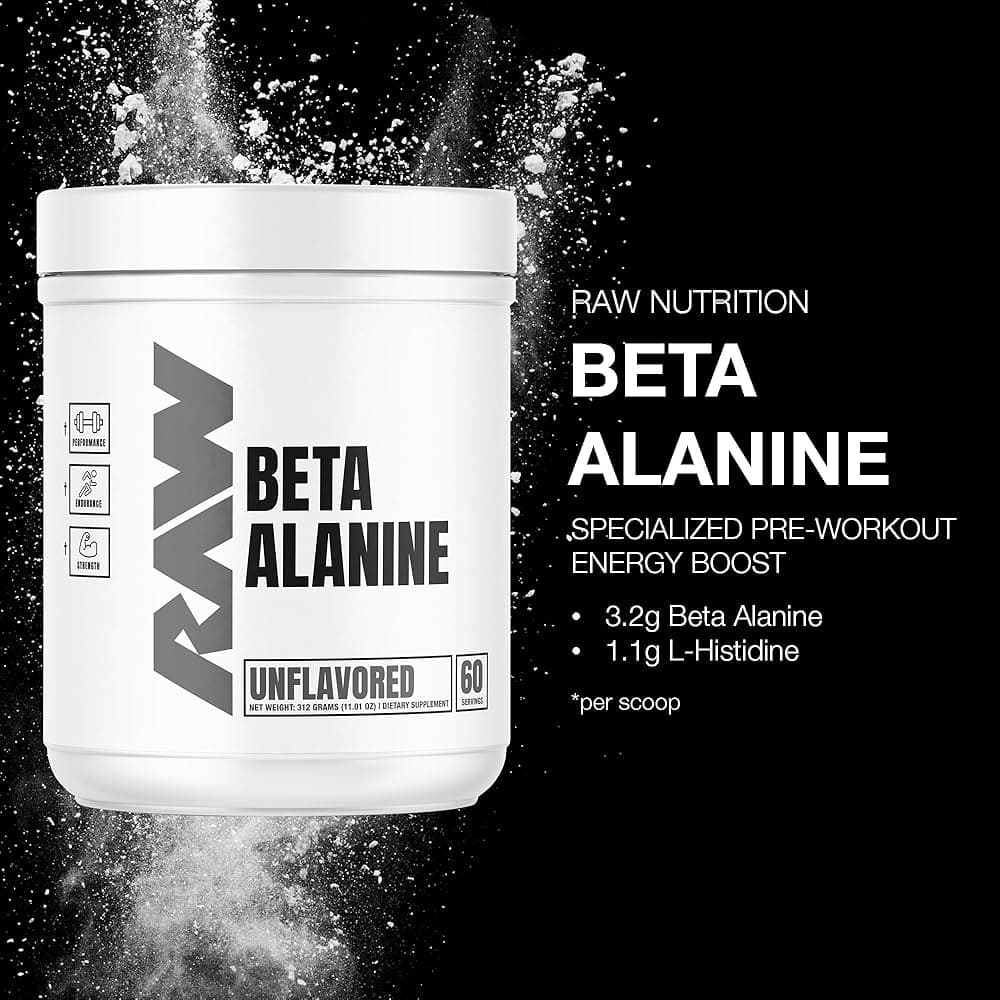
Beta-alanine builds muscle carnosine for intracellular pH buffering while citrulline supports nitric oxide and ammonia clearance. Two distinct contributors to repeated effort.
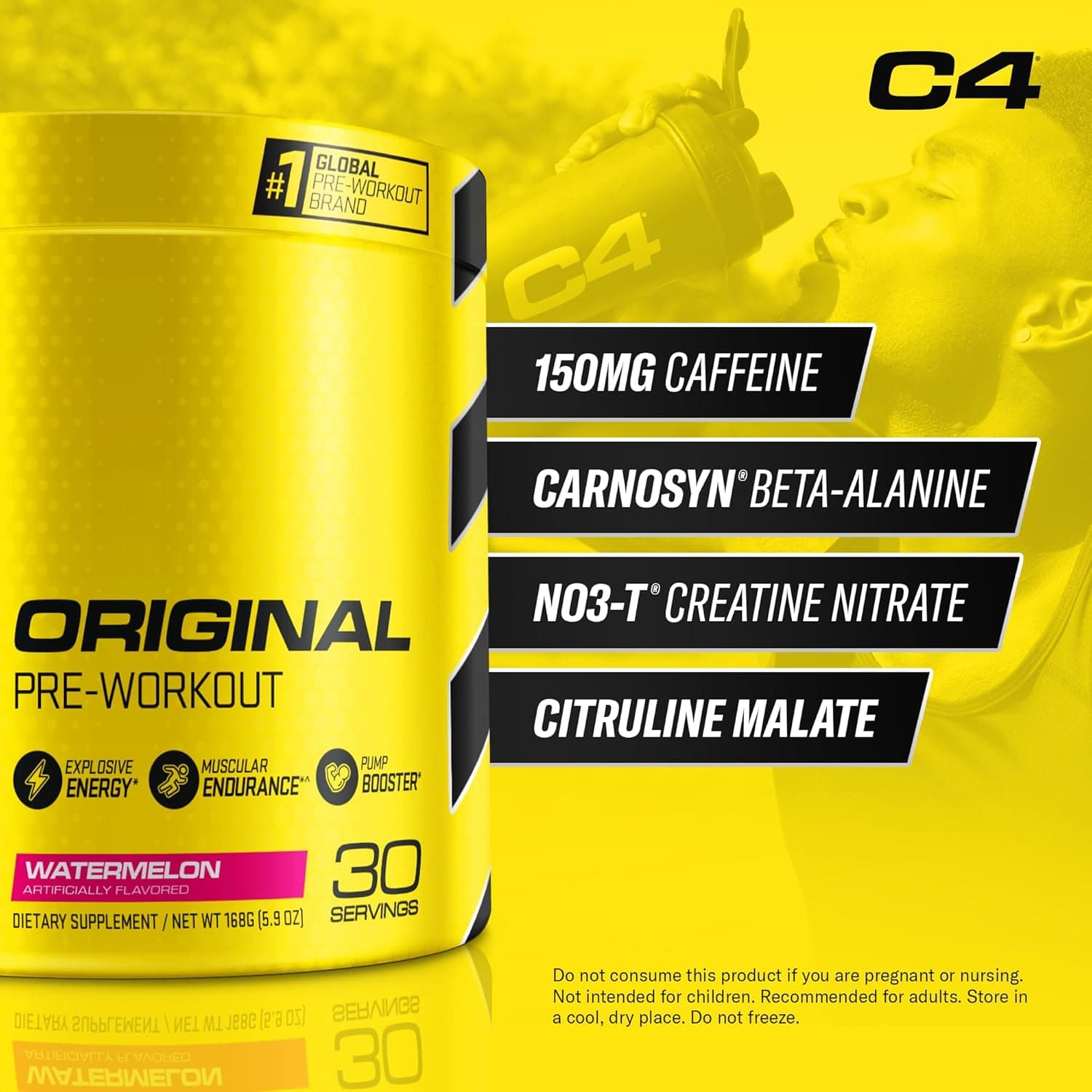
Caffeine blocks adenosine receptors and raises vascular tone while citrulline supports the nitric oxide pathway that lowers it. The two are routinely combined and the vascular effects partly work against each other.
Pyridoxal 5-phosphate is the cofactor for ornithine aminotransferase, the enzyme that governs traffic between ornithine, glutamate semialdehyde and the wider urea-cycle pool that citrulline feeds. Low B6 status constrains that traffic. This is cofactor biochemistry rather than a tested combination.
Nitric oxide synthase is a flavoprotein: it carries both FAD and FMN in its reductase domain, and both are made from riboflavin. Citrulline supplies substrate to that enzyme by way of arginine, and riboflavin supplies part of the enzyme itself. Poor riboflavin status limits the electron flow the enzyme needs.
Nitric oxide synthase is a heme enzyme, and heme synthesis needs iron. The citrulline to arginine to nitric oxide route therefore depends on adequate iron status at the enzyme level. This is structural cofactor biochemistry, not a claim that iron adds to citrulline's effect in a replete person.
Argininosuccinate synthase condenses citrulline with aspartate at the cost of ATP, and argininosuccinate lyase then splits the product into arginine and fumarate. Aspartate is a co-substrate of the exact step that converts supplemental citrulline into arginine. Its supply is normally ample from the diet, which is why the pairing is biochemical context rather than a dosing recommendation.
Lysine, arginine and ornithine share the cationic amino acid transporters, so a large lysine dose competes with arginine for uptake. Citrulline is neutral and is absorbed on a different carrier, which is part of why it raises plasma arginine more reliably than oral arginine does. Taken together, lysine blunts arginine absorption without blunting citrulline absorption.
Magnesium acts as a physiological calcium antagonist in vascular smooth muscle, which supports normal vessel relaxation, while citrulline works through nitric oxide availability. The two act on the same tissue by separate routes. No combination trial has isolated them.
Potassium supports normal endothelial function and normal blood pressure regulation through membrane potential and sodium handling. Citrulline acts on the nitric oxide arm. Formulas aimed at circulation commonly carry both, and the effects are complementary rather than redundant.
Bicarbonate raises extracellular buffering capacity during high-intensity work, addressing acid accumulation rather than blood flow. Citrulline is used for the perfusion side of the same session. The mechanisms do not overlap, so the pairing is genuinely additive rather than duplicative.
Taurine influences calcium handling and osmotic regulation in muscle and has its own endothelial effects. Citrulline works through arginine and nitric oxide. Both appear routinely in the same pre-workout formats without a combination trial to separate them.
Whey supplies the full essential amino acid set including leucine, the trigger for muscle protein synthesis, while citrulline supports blood flow that delivers those amino acids to the tissue. Whey also contains arginine directly. The two act at different points of the same post-exercise sequence.
Leucine activates mTORC1 signalling in muscle. Citrulline has been studied for perfusion and, separately, for amino acid delivery. The pairing addresses the signal and the supply line rather than one twice over. Their combined effect has not been isolated in a trial.
HMB is a leucine metabolite used in formulas concerned with muscle protein balance during heavy training. Citrulline sits on the perfusion side of the same use case. This is a formulation convention with mechanistic plausibility and no combination data.
Ribose feeds the pentose phosphate route toward adenine nucleotide resynthesis, and the citrulline to arginine conversion itself consumes ATP at the argininosuccinate synthase step. The pairing is metabolically coherent. It has not been tested together.
Ubiquinol limits lipid peroxidation in the endothelial membrane, which preserves nitric oxide from being consumed by superoxide. Citrulline increases the supply of that nitric oxide. Protecting the molecule and supplying it are different jobs.
Grape seed proanthocyanidins support endothelial nitric oxide synthase activity and reduce superoxide-driven loss of nitric oxide. Citrulline raises substrate availability for the same enzyme. A randomised trial in this candidate set combined a polyphenol extract with citrulline and reported that sex may modulate the ambulatory blood pressure response, though the extract in that trial was not grape seed specifically.
Betaine donates a methyl group in the remethylation of homocysteine, and homocysteine at high concentration interferes with endothelial nitric oxide handling. Citrulline supplies the substrate side. The rationale is mechanistic, and no trial has combined them.
Carnitine supports fatty acid entry into the mitochondrion during sustained work, a fuel-side role, while citrulline is used for the delivery side. Both appear in endurance formulas. The combination has not been isolated in a trial.
Alpha-GPC supplies choline for acetylcholine synthesis and is used in pre-workout formats alongside citrulline. The two act on entirely different systems, one cholinergic and one vascular. This is a common stack rather than a mechanistic interaction.
Nothing specific on file for L-Citrulline (Pure). Match the label to the daily amount above, and tell your doctor what you take.
Not medical advice. Show the label to your pharmacist.What L-Citrulline (Pure) actually does.
Citrulline you swallow skips the first-pass step in the liver that limits oral arginine, because liver arginase acts on arginine and not on citrulline. That's why a given dose of citrulline raises blood arginine more reliably than the same dose of arginine.
One enzyme joins citrulline to aspartate at the cost of ATP, and a second one splits the result into arginine and fumarate. Most of that conversion happens in your kidneys.
Arginine is the raw material for nitric oxide synthase, which makes nitric oxide and hands citrulline back as the co-product. That citrulline to arginine to nitric oxide loop is called the citrulline nitric oxide cycle.
Citrulline is a step in the urea cycle, made inside the mitochondria from ornithine and carbamoyl phosphate, and it's the point where the cycle sends its intermediate out into the cytosol.
Where L-Citrulline (Pure) comes from.
Bacteria are fed sugar in a tank and produce citrulline, which is then filtered out of the broth, cleaned up and dried into a crystalline powder. It can also be made by straight chemical synthesis. If the label says citrulline malate, the pure powder was combined with malic acid afterwards, which is why the ratio on the label changes how much citrulline you actually get.
Built by fermentation, the same way vitamin B12 and many amino acids are made at scale. Controlled conditions, consistent output.
A refined carbohydrate feedstock is the carbon source for the production organism, most often a Corynebacterium glutamicum strain selected for amino acid output.
The organism is cultured under controlled pH, oxygen and nitrogen feed, secreting citrulline into the broth. Strains are selected so the urea cycle intermediate accumulates rather than being carried onward to arginine.
Biomass is removed by filtration or centrifugation and the amino acid is captured on ion-exchange resin, then eluted.
The eluate is treated with activated carbon, concentrated and crystallised, then recrystallised where a higher purity grade is needed.
Assayed for purity and optical rotation to confirm the L-isomer, with residual solvent and heavy metal testing on the finished lot.
Dried and milled to a target mesh. Where the malate is wanted, the free base is reacted with malic acid in solution at the stated ratio and dried again.
Getting L-Citrulline (Pure) from food.
The whole-food sources on file. A supplement closes the gap, it does not replace dinner.
A gram-for-gram figure (how much of each you would eat to match a dose) will appear here once it is sourced and reviewed. This page will not print a number it cannot cite.
The forms it comes in.
The essence, in one line each.
- A systematic review of citrulline supplementation in postmenopausal women covering vascular, muscular and metabolic endpoints. The review summarises a small and heterogeneous trial base.Systematic review. Bahari H et al., 2026 (BMC Women's Health). PMID 41588439 ↗
- A dose-response meta-analysis pooling citrulline and watermelon supplementation trials for body composition measures.Meta-analysis. Ashtary-Larky D et al., 2025 (Nutrients). PMID 41097202 ↗
- A systematic review with meta-analysis of citrulline and post-exercise rating of perceived exertion, muscle soreness and blood lactate. Perceived exertion and lactate are markers of the session, not performance outcomes in themselves.Systematic review. Rhim HC et al., 2020 (Journal of Sport and Health Science). PMID 33308806 ↗
- One week of L-citrulline supplementation improved cycling performance measures in the trained cyclists studied.Randomised trial. Stanelle ST et al., 2020 (Journal of Strength and Conditioning Research). PMID 31860534 ↗
- Six weeks of supplementation was assessed against resistance-training performance, rating of perceived exertion and blood biomarkers.Randomised trial. Bayat D et al., 2025 (Journal of the International Society of Sports Nutrition). PMID 40470618 ↗
- Acute L-citrulline raised nitric oxide bioavailability, which is a biochemical marker, while inspiratory muscle oxygenation did not differ detectably.Randomised trial. Theodorou AA et al., 2021 (Nutrients). PMID 34684312 ↗
- Short-term L-citrulline supplementation produced no detectable difference in inspiratory muscle oxygenation or respiratory performance. This is a failure to detect a difference rather than a demonstration that none exists.Randomised trial. Theodorou AA et al., 2023 (Nutrients). PMID 37111169 ↗
- Eight days of L-citrulline or L-arginine did not produce a detectable improvement in 200 m and 100 m swimming time trials. The trial failed to detect a difference and cannot show that none exists.Randomised trial. Esen O et al., 2022 (International Journal of Environmental Research and Public Health). PMID 35457330 ↗
- A combined polyphenol extract and L-citrulline supplement was assessed against ambulatory blood pressure, with the authors reporting that sex may modulate the response.Randomised trial. Vors C et al., 2021 (Nutrients). PMID 33513929 ↗
- L-citrulline supplementation was associated with shifts in rumen microbiota and in reproductive performance measures in the animals studied.Animal study. Lu T et al., 2026 (Life). PMID 42195322 ↗
These are the studies our verdict leans on, chosen from the 10 we read for L-Citrulline (Pure). The full linked list is below.
FDA Disclaimer: These statements have not been evaluated by the Food and Drug Administration. This information is for educational purposes only and is not intended to diagnose, treat, cure, or prevent any disease. Consult your healthcare provider before starting any supplement regimen.