Beet Root.
Boosts nitric oxide to improve blood flow, lower blood pressure, and enhance exercise performance. Boosts nitric oxide production to improve blood flow, lower blood pressure, and enhance exercise endurance through dietary nitrates.
Reviewed March 2026
- Category
- Herb
- Also filed under
- Lowers blood pressureImproves exercise enduranceBoosts nitric oxide productionSupports cardiovascular health
What Beet Root is, and what it does.
- Does it work
- Real science, real results. One of the few legal performance enhancers that actually works. Just make sure the dose is right.
- How much to take
- 400-800mg of nitrate content (roughly 3-6g of beet root powder or 500ml of beet juice). Check the nitrate content, not just the powder weight.
- Time to feel it
- The circulation and exercise effect lands about two to three hours after a dose. Readings on a blood pressure cuff shift over one to two weeks of daily use.
- The first dose
- Take 2-3 hours before exercise. You should notice slightly improved endurance and possibly lower perceived effort.
- With regular use
- Consistent use supports cardiovascular health. Blood pressure benefits are sustained with daily use. Exercise benefits are acute (per-dose).
- How well tolerated
- Well tolerated. Can turn urine and stool red/pink (harmless, called beeturia). May interact with blood pressure medications.
- How it feels
- During exercise: easier breathing, slightly better endurance, more visible vascularity. At rest: subtle sense of improved circulation.
- The overlooked benefit
- Bacteria on your tongue do the first conversion step, so an antibacterial mouthwash right after a dose blunts it. Skip the rinse and the same amount goes further.
500 to 1,000mg a day is where Beet Root works.
Source: Dominguez et al. 2017 Nutrients meta-analysis (23 RCTs); Siervo et al. 2013 J Nutr.
The proof, claim by claim.
These words describe the research, not the molecule's worth. Research strength is how much work stands behind one claim, and it is never a product score.
Beet Root has emerging evidence, with 12 cited human studies on this page.
- Lowers blood pressure by 3-10 mmHg
- Improves exercise endurance by 1-3%
- Works for elite athletes
Questions people ask about Beet Root.
- Will it turn my pee red?
- Maybe. About 10-14% of people experience beeturia (red/pink urine). It's completely harmless. Don't panic.
- Why should I avoid mouthwash before taking it?
- Oral bacteria on your tongue convert nitrate to nitrite (step 1 of the NO pathway). Mouthwash kills these bacteria, blocking the conversion.
- How much powder do I need?
- 3-6g of beet root powder typically provides enough nitrate. But check the nitrate content specifically. Not all powders are equal.
- Does it work for weightlifting?
- Less evidence for pure strength training. The biggest benefits are for endurance exercise (running, cycling, swimming). Some data shows improved repetitions to failure.
- Can I just eat beets instead?
- Absolutely. Two medium beets 2-3 hours before exercise gives a similar effect. Beet juice is just more concentrated and convenient.
- Will it lower my blood pressure too much?
- Unlikely in healthy people. But if you're on BP meds, the combination could cause your pressure to drop too low. Talk to your doctor.
What the trials show about these together.
Outcomes the engine found studied for these actives as a combination, not one at a time. Each is a finding a named trial measured, cited and dated, never written by the brand.
- EarlyBeet Root + L CitrullineEndurance
In a nine-week randomized placebo-controlled trial in 32 trained triathletes, citrulline taken together with nitrate-rich beetroot extract improved a test of aerobic power compared with either supplement alone, while the strength tests showed no significant difference between the groups.
Burgos et al., 2021 (Nutrients)PMID 35010917
Research strength. Research strength says how much work stands behind the combination. It is never a product score.
Fail closed. Where actives were studied on their own rather than together, each shows on its own evidence, never a combined effect no trial measured.
Independent record. Every finding is cited to a named trial, dated, and never written by the brand.
Findings from trials that studied these actives as a combination. Context for how the actives were tested together, not a statement about any individual and not a claim about this product.
Why these belong in the same formula. Each row says what the basis is, from settled biochemistry through to a trial that measured the pair.
Ascorbate reduces nitrite to nitric oxide under acidic conditions and steers nitrite away from forming nitrosamines in the stomach. This is standard chemistry, which is why vitamin C sits alongside nitrate sources in formulation.
Beet nitrate reaches nitric oxide through bacterial and tissue reduction, a route that works well when oxygen is low, while citrulline feeds the arginine and eNOS enzyme route, which works well when oxygen is plentiful. Covering both routes is the reason they are formulated together.
Arginine is the substrate nitric oxide synthase uses, whereas beet nitrate bypasses that enzyme through the nitrate to nitrite to nitric oxide route. The pairing supplies the same signalling molecule by two mechanisms that do not compete for the same step.
Pine bark procyanidins increase eNOS activity and limit oxidative loss of nitric oxide once it is formed, while beet nitrate supplies nitric oxide through the separate reduction route. One adds output, the other slows how quickly the molecule is quenched.
Beetroot is the commercial source of betaine, and trimethylglycine is that same molecule isolated, so the pair supplies one methyl donor at a known dose plus the whole-root matrix. Betaine donates a methyl group to homocysteine in the remethylation step.
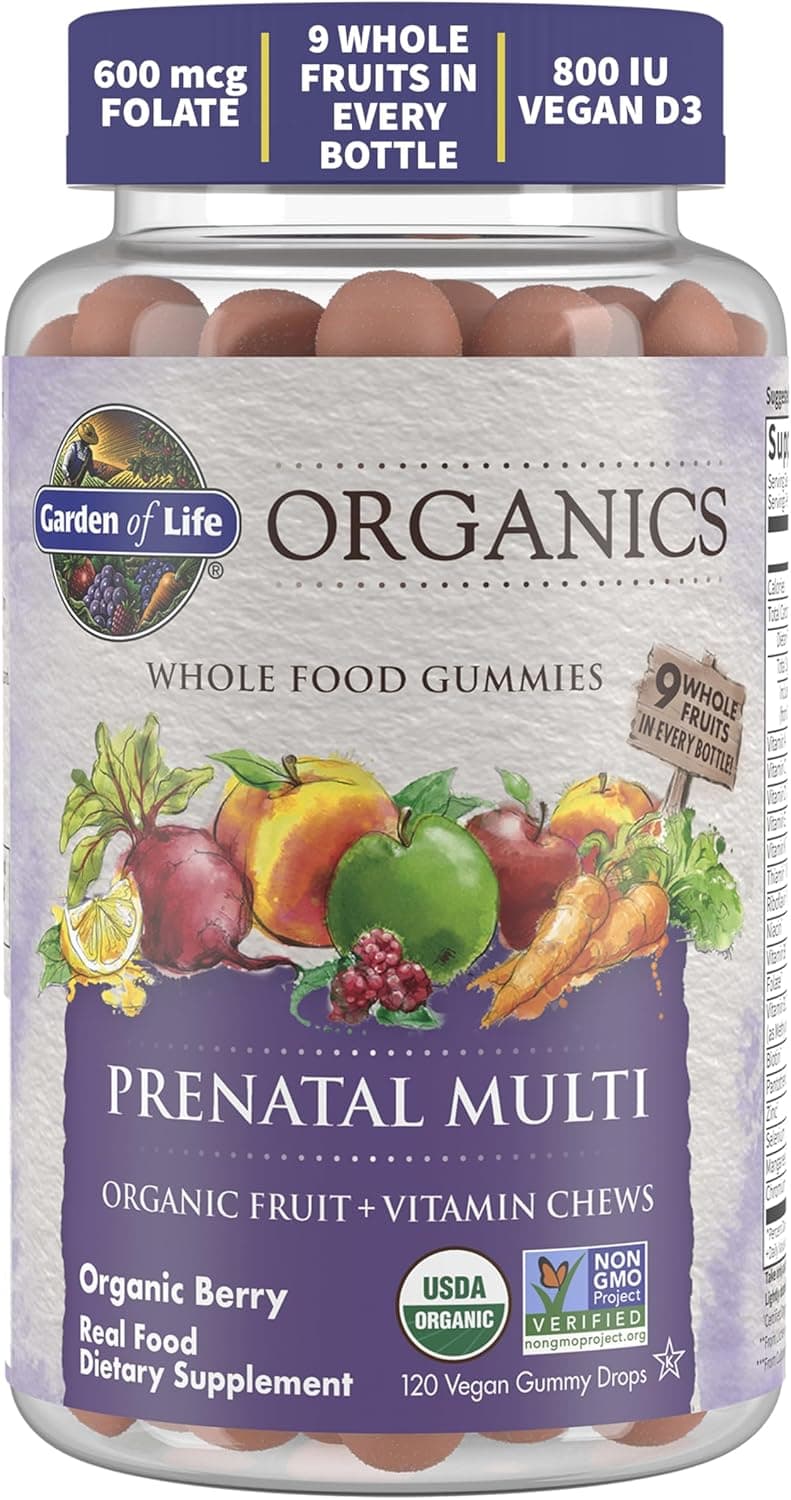
Betaine from beetroot and 5-methyltetrahydrofolate feed two independent routes for remethylating homocysteine to methionine, so each covers for limits in the other. Beetroot also carries folate itself, which makes them natural partners.
Methionine synthase needs cobalamin to accept the methyl group folate carries, so B12 is what allows the folate arm to run alongside the betaine arm beetroot supplies. Without it the betaine route carries the whole load.
Pyridoxal phosphate is the cofactor for the transsulfuration enzymes that clear homocysteine along the other exit, complementing the methyl donation beetroot betaine supports. The two exits together set normal homocysteine handling.
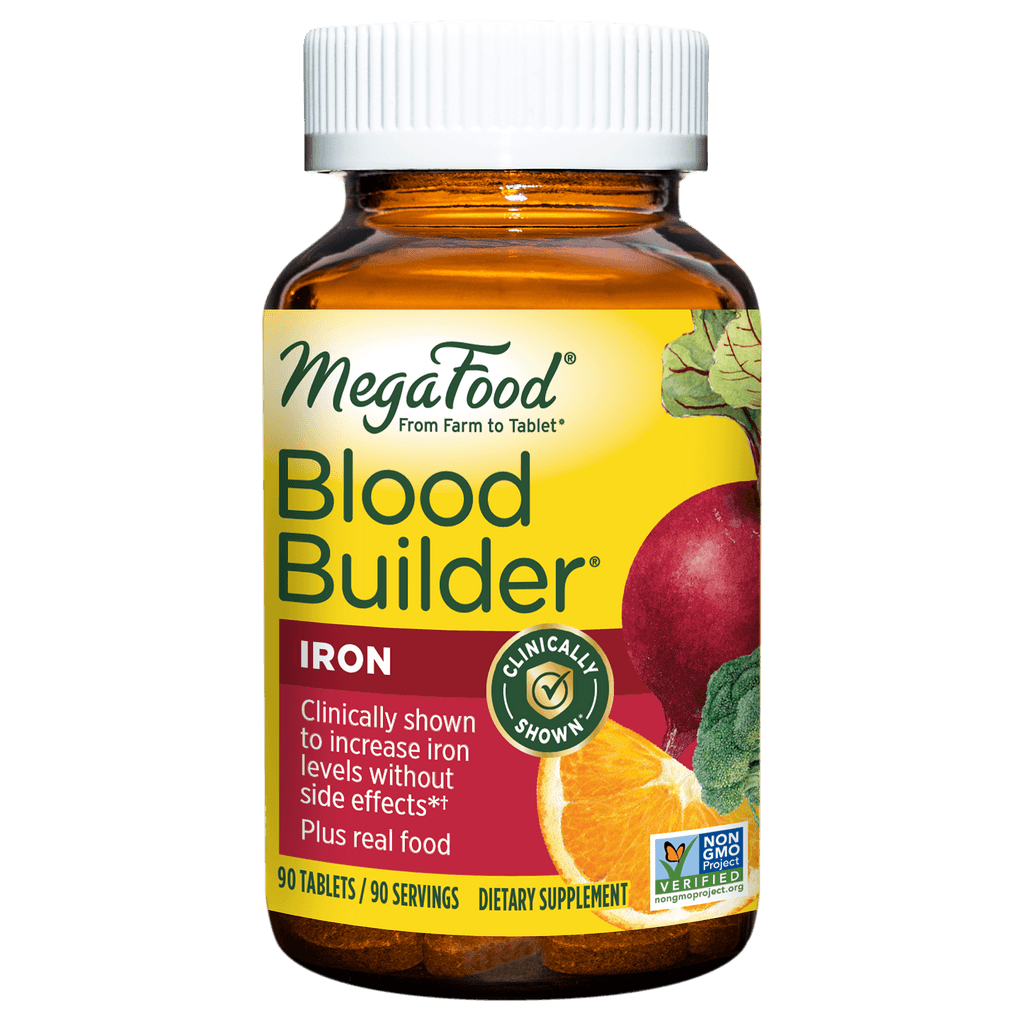
Beetroot is one of the higher oxalate foods, and oxalate forms an insoluble salt with calcium in the gut so that less of either is taken up. Separating a beetroot dose from a calcium dose keeps both available.
Beetroot nitrate is reduced to nitrite and then to nitric oxide, while garlic organosulfur compounds generate hydrogen sulfide, and the two gaseous signals reinforce each other in vascular smooth muscle relaxation.
Norvaline slows arginase in laboratory work, which would leave more arginine available to nitric oxide synthase, the enzymatic arm rather than the nitrate to nitrite route beetroot feeds. The two routes to nitric oxide are independent, and the human data on norvaline is thin.
Beetroot is potassium rich, and potassium acts on vascular tone and sodium handling by a route separate from nitric oxide signalling. Counting the potassium the root already supplies matters when a formula also adds a potassium salt.
The trial examined whether combining dietary nitrate with caffeine changes 1000 m ergometer time trial performance beyond either alone, so the pairing has been measured rather than assumed. The two act by different routes: nitrate through nitric oxide availability and blood flow, caffeine through adenosine receptor blockade and perceived effort. Read the study for its own conclusion rather than assuming the effects stack.
Bicarbonate raises extracellular buffering capacity during high-intensity efforts while beet root nitrate acts on vascular and mitochondrial efficiency. Because the mechanisms do not overlap, the pairing is standard practice in the sports nutrition literature. Both also load the gut at once, which is the practical trade-off.
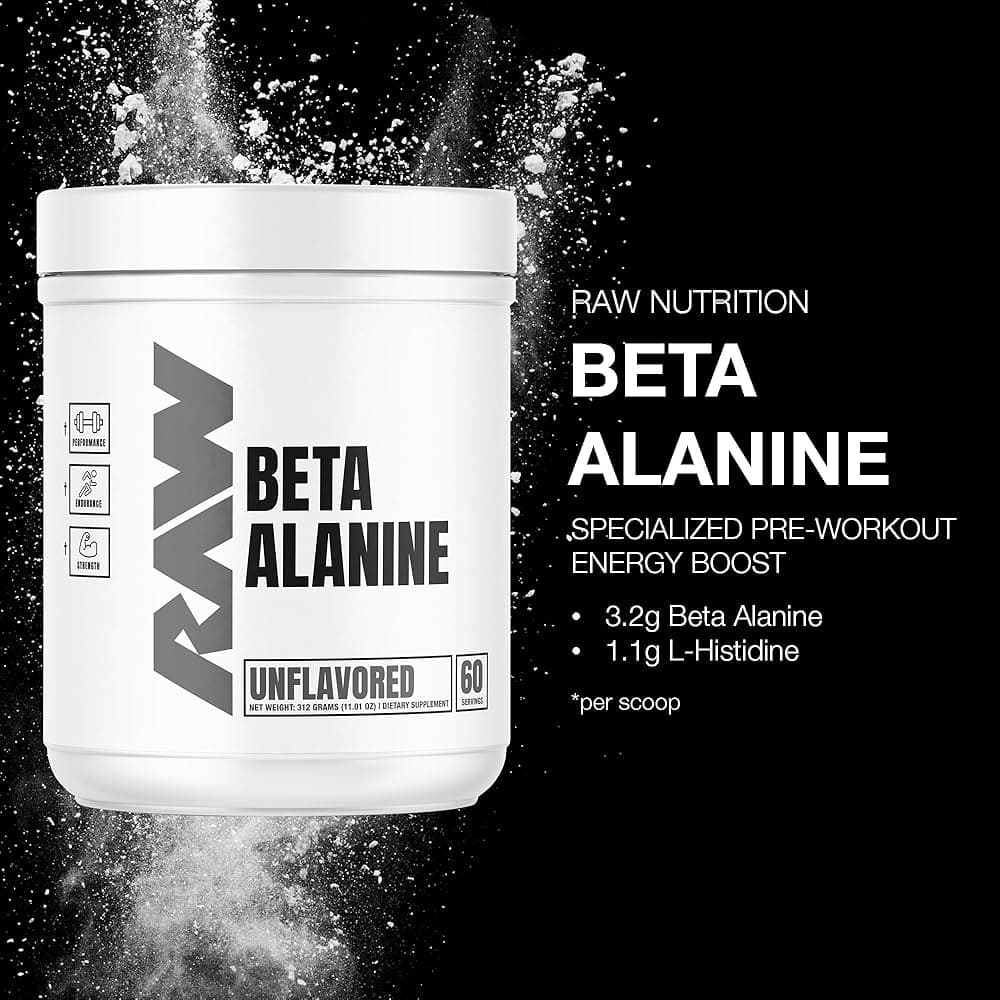
Beta-alanine raises muscle carnosine over weeks and buffers protons inside the fibre. Nitrate acts acutely on oxygen cost and blood flow. Stacking them targets different limits within the same effort, which is why they appear together in pre-workout formulas. Combination evidence is thinner than the evidence for either alone.
Creatine expands the phosphocreatine pool for short maximal efforts while nitrate lowers the oxygen cost of submaximal work. The pairing covers two ends of the intensity range rather than duplicating one. No combination outcome is cited here.
A review discusses beetroot alongside folic acid status, and beet leaves and root do contribute dietary folate. The review is narrative and much of the underlying work it summarises is preclinical, so this is a nutrient-overlap observation and not a demonstrated effect on folate status in people. Beet root is a food source of folate, not a folate supplement.
Humans cannot reduce nitrate to nitrite. Oral and gut bacteria do that first step of the entero-salivary pathway. Anything that changes that bacterial population changes how much nitrite is produced from a beet dose. Whether a swallowed probiotic capsule shifts the relevant oral nitrate-reducing species is not established, which keeps this at Promising.
The first step of nitrate conversion happens on the tongue, carried out by nitrate-reducing commensals. Broad antibacterial botanicals such as oregano oil, and antiseptic mouth rinses generally, suppress those organisms. Taking a strongly antibacterial preparation orally around a nitrate dose is a plausible way to blunt the conversion step, which is worth flagging rather than hiding.
Beet and beet greens are recognised oxalate-containing foods, and oxalate forms poorly absorbed complexes with divalent minerals in the intestine. Taken in the same dose window as a zinc supplement, part of that zinc is bound rather than absorbed. Separating the two by a couple of hours is the ordinary handling response.
Activated charcoal adsorbs a wide range of dissolved organic molecules, and nothing about its surface chemistry spares supplement constituents. Taken together with a beet concentrate it reduces what reaches the mucosa. This is general adsorption pharmacology and applies to almost any co-ingested active.
Beet concentrates are commonly built into endurance drinks alongside sodium and potassium because both address the same use occasion. The concentrate itself contributes potassium, so the total electrolyte load is the sum, not the label of the electrolyte blend alone. This is a formulation note, not an effect claim.
Bacterial nitrate reductases are molybdenum and flavin-containing enzymes, so flavin availability sits upstream of the microbial conversion step. The link is established at the level of enzyme composition, not demonstrated as a nutritional interaction in people. Early, and mechanistic only.
The bacterial nitrate reductases that begin the entero-salivary pathway carry a molybdenum cofactor at their active site, which is settled enzymology. That makes molybdenum structurally necessary for the conversion rather than merely helpful. Nothing here implies that supplemental molybdenum increases nitrite production in a person with ordinary status.
Talk to a doctor before taking Beet Root if any of these apply to you: Can turn urine/stool red (harmless), May interact with blood pressure medications. These are flags to check first, not effects Beet Root is known to cause.
Not medical advice. Show the label to your pharmacist.What Beet Root actually does.
The part of beet root that matters for blood vessel effects is plain inorganic nitrate, which is concentrated in both the root and the greens rather than being some unique compound only beets have.
We don't have the enzyme to convert nitrate ourselves, so swallowed nitrate gets absorbed, concentrated back into saliva by the salivary glands, and turned into nitrite by bacteria on the tongue before being swallowed again, a loop known as the entero-salivary circulation.
That nitrite gets converted further into nitric oxide when conditions are acidic and low in oxygen, which is why this pathway does more in working muscle and in the stomach.
Nitric oxide switches on an enzyme in the smooth muscle of blood vessels that raises a signaling molecule and relaxes the vessel, but it's a signal that only lasts seconds before it's gone.
Where Beet Root comes from.
Beets are pulled from the field, washed, then either juiced and boiled down under vacuum into a syrup, or sliced and dried and ground into powder. The juice route concentrates the nitrate that most beet products are bought for; the powder route keeps more of the whole vegetable including its fibre. How much nitrate ends up in either depends on the soil the crop grew in, which is why good products print a nitrate number.
Made from a plant. What ends up in the capsule tracks the harvest, so batch testing and a stated marker matter more here than with a made molecule.
Table beet harvested at maturity. Soil nitrogen supply and cultivar are the main determinants of nitrate content, which is why lots differ.
Roots are washed and destoned, then either pressed to juice or sliced for drying. Pressing separates the soluble nitrate and sugar fraction from the pulp.
Juice destined for a concentrate has water removed under reduced pressure at moderate temperature. Fermented versions are cultured first, which consumes sugar and alters nitrogen species.
Pulp and fine solids are removed from juice streams. Standardised extracts undergo further fractionation to raise nitrate per gram.
Batches intended for performance use are assayed for nitrate in millimoles or milligrams per serving. Colouring grades are standardised on betalain instead.
Concentrates are filled as shots or dried onto a carrier such as maltodextrin. Whole-root powders are dried and milled to a stated mesh.
Nitrate content per serving is frequently absent from labels even on performance products, as is whether the powder is whole root or a juice concentrate dried onto a carrier, and how much carrier is present.
Getting Beet Root from food.
The whole-food sources on file. A supplement closes the gap, it does not replace dinner.
A gram-for-gram figure (how much of each you would eat to match a dose) will appear here once it is sourced and reviewed. This page will not print a number it cannot cite.
The forms it comes in.
The essence, in one line each.
- Across 22 randomised trials in about 1,248 people, beetroot juice lowered resting systolic blood pressure by about 3.6 mmHg and diastolic by about 1.3 mmHg, with larger drops at higher doses and after 14 days or more of use.Meta-analysis. Bahadoran et al., 2017 (Advances in Nutrition). PMID 29141968 ↗
- Pooling 123 randomised trials in 1,705 healthy adults, dietary nitrate improved exercise performance by a small amount (standardised mean difference 0.10), with the clearest gains in efforts lasting 2 to 10 minutes and when the nitrate came from beetroot juice or a high-nitrate diet rather than nitrate salts.Meta-analysis. Silva et al., 2022 (Advances in Nutrition). PMID 35580578 ↗
- Across 26 randomised placebo-controlled trials, dietary nitrate lowered oxygen uptake during moderate and heavy submaximal exercise in healthy people, meaning the same work cost less oxygen. No detectable effect was seen in the subgroup with chronic conditions.Meta-analysis. Pawlak-Chaouch et al., 2016 (Nitric Oxide). PMID 26772523 ↗
- Pooling 34 randomised trials, dietary nitrate produced a small gain in muscular endurance (standardised mean difference 0.31) and a trivial gain in muscular strength (0.08). Dose, training level and muscle group did not change the result, while endurance gains were larger for isometric and isotonic than isokinetic contractions.Meta-analysis. Alvares et al., 2021 (Critical Reviews in Food Science and Nutrition). PMID 33554654 ↗
- A systematic review of beetroot juice in older adults reported improvements in physical performance measures and some cognitive tests, with effects described as small and variable between trials.Systematic review. Nowak et al., 2025 (Nutrients). PMID 41470898 ↗
- A meta-analysis of supplement combinations for endurance found beetroot-based nitrate among the ingredients contributing measurable gains in endurance performance, with pooled effects reported as small.Meta-analysis. Zart et al., 2025 (Journal of the International Society of Sports Nutrition). PMID 40619880 ↗
- In female athletes, beetroot juice supplementation was reported to improve aerobic capacity measures compared with control in a randomized controlled study.Randomised trial. Neteca et al., 2024 (Nutrients). PMID 39796497 ↗
- In amateur athletes, beetroot nitrate supplementation raised nitric oxide pathway markers and shifted oxidative and inflammatory biomarkers relative to placebo, which are markers rather than performance or health outcomes.Randomised trial. Mrakic-Sposta et al., 2026 (Nutrients). PMID 42075028 ↗
- A randomised crossover trial examined acute isolated and combined dietary nitrate and caffeine ingestion before a 1000 m ergometer time trial.Randomised trial. Pollex J et al., 2025 (Journal of the International Society of Sports Nutrition). PMID 39967381 ↗
- A systematic review of supplementation strategies for wrestlers includes dietary nitrate among the ergogenic aids it evaluates. Beetroot is named within the broader review rather than being its subject.Systematic review. Coutino Diaz M et al., 2025 (Current Nutrition Reports). PMID 40560510 ↗
- A systematic review of supplementation for physical performance and recovery in active-duty military personnel names nitrate sources among the ingredients reviewed.Systematic review. Harlow J et al., 2024 (Nutrients). PMID 39203882 ↗
- A randomised double-blind trial compared sports drink compositions for endurance performance and substrate oxidation. Nitrate-containing ingredients are referenced in the discussion, not tested as the intervention.Randomised trial. Ketelhut S et al., 2025 (Journal of the International Society of Sports Nutrition). PMID 40468684 ↗
- A review surveys reports on beetroot in the context of folic acid deficiency. It is a narrative synthesis drawing substantially on preclinical work.Narrative review. Rasheed A et al., 2026 (Food Science and Nutrition). PMID 41488154 ↗
These are the studies our verdict leans on, chosen from the 7,733 we read for Beet Root. The full linked list is below.
The studies, linked.
6 sources behind our Beet Root verdict: peer-reviewed studies and registered clinical trials. Every one links straight to PubMed, the journal, or ClinicalTrials.gov. Read them yourself.
- Clinical trialInorganic Nitrate: Sex Differences in Muscle Contractile Function and EfficiencyClinicalTrials.gov ↗Phase 1, 35 participants, Completed
- Clinical trialEffects of Inorganic Nitrate and Intensity of Exercise on Cardiovascular Health in Post-Menopausal FemalesClinicalTrials.gov ↗Phase 1, 24 participants, Completed
- Clinical trialRandomized Phase II Study of Concentrated Beet Root in Participants Being Treated for Locally Advanced Unresectable, Previously Untreated Squamous Cell Cancer of the Head and NeckClinicalTrials.gov ↗Phase 2, 13 participants, Completed
- Clinical trialDose-response Effect of Dietary Nitrate on Muscle Function in Older IndividualsClinicalTrials.gov ↗Phase 1, 13 participants, Completed
- Clinical trialDietary Nitrate Supplementation and Thermoregulation During ExerciseClinicalTrials.gov ↗11 participants, Completed
- Clinical trialThe Effects of Oral Inorganic Nitrate Supplementation on Lower Limb Perfusion and Metabolism During Exercise in Patients With Peripheral Arterial Disease (PAD)ClinicalTrials.gov ↗Phase 1, 28 participants, Unknown
Evidence surfaced via Semantic Scholar (Allen Institute for AI) and ClinicalTrials.gov. Ranked by study type and citation weight, not cherry-picked.
Problems people have reported.
Read this carefully. These are 562 voluntary, unverified reactions reported to the FDA (openFDA). The number mostly reflects how popular Beet Root is, not how risky it is. A report is not proof Beet Root caused anything. It is a signal of what to watch for, nothing more.
Source: openFDA adverse-event reports. Voluntary reporting, not an incidence rate.
FDA Disclaimer: These statements have not been evaluated by the Food and Drug Administration. This information is for educational purposes only and is not intended to diagnose, treat, cure, or prevent any disease. Consult your healthcare provider before starting any supplement regimen.