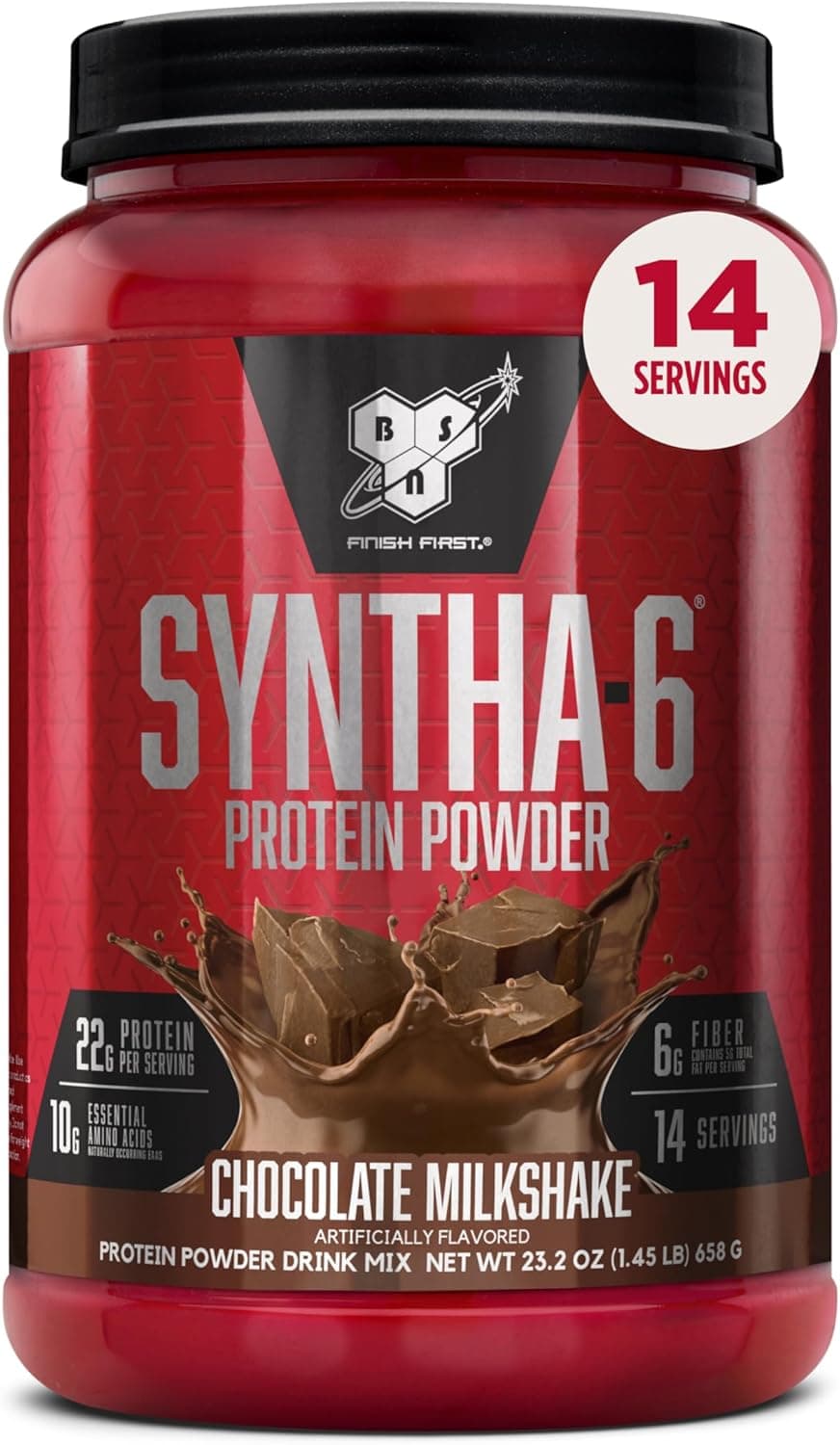
Cocoa (Processed with Alkali).
Dutch-processed cocoa used for flavor and color. Tastes great, but the alkali treatment strips most of the antioxidants. Adds chocolate flavor and dark color to supplements. Provides some minerals (magnesium, iron) in larger amounts.
Reviewed March 2026
- Category
- Compound
- Also filed under
- Natural chocolate flavoringContains some mineralsImproved taste vs natural cocoa
What Cocoa (Processed with Alkali) is, and what it does.
- Does it work
- Great for taste. Poor for the health benefits you'd expect from cocoa. If you want cocoa flavanols, look for natural (non-alkalized) cocoa.
- How much to take
- Not applicable as health ingredient. For flavanol benefits, use natural cocoa: 200-900mg flavanols daily.
- Time to feel it
- The dark colour and mellow taste are there as soon as it is stirred in. Its theobromine acts within roughly an hour at whatever amount the formula carries.
- The first dose
- Your supplement tastes like chocolate. Mild theobromine effect if the dose is large enough.
- With regular use
- No meaningful health benefits at supplement flavoring amounts.
- How well tolerated
- Well tolerated. Contains small amounts of caffeine and theobromine.
- How it feels
- Chocolate flavor. Maybe a subtle mood lift from theobromine if there's enough in the formula.
- The overlooked benefit
- The alkalising agent contributes potassium, so Dutched cocoa runs higher in potassium and ash than natural cocoa while the copper, magnesium and iron it started with stay put.
The proof, claim by claim.
These words describe the research, not the molecule's worth. Research strength is how much work stands behind one claim, and it is never a product score.
- Provides meaningful flavanols
- Provides some minerals
- Has the same benefits as dark chocolate
Questions people ask about Cocoa (Processed with Alkali).
- Is this the same as cocoa extract for heart health?
- No. Cocoa flavanol extracts (like Cocoapro or CocoaVia) are specifically processed to retain flavanols. Dutch-processed cocoa loses most of them.
- Should I avoid supplements with this?
- No. It's harmless as a flavoring. Just don't expect the health benefits of unprocessed cocoa.
- Why do companies use Dutch-processed instead of natural?
- It tastes better (less bitter) and looks darker. Natural cocoa is more acidic and has a sharper flavor that some people don't like.
Why these belong in the same formula. Each row says what the basis is, from settled biochemistry through to a trial that measured the pair.
Theobromine is the main methylxanthine in cocoa solids and survives alkalization, so alkalized cocoa already contributes it. Added theobromine stacks with what the cocoa carries.
Cocoa carries a small amount of caffeine alongside theobromine, and both act as adenosine receptor antagonists. Their effects on alertness add together in one formula.
Cocoa polyphenols and tannins bind non-heme iron in the gut lumen and lower its absorption, an effect alkalization reduces but does not remove. Separating the two by a couple of hours preserves iron uptake.
Ferrous sulfate is a non-heme salt, exactly the form cocoa polyphenols chelate into a poorly absorbed complex. Dosing them apart keeps the iron available.
Ascorbate keeps iron in the ferrous state and competes with polyphenol binding, which restores much of the non-heme iron absorption that cocoa would otherwise reduce. This is the standard countermeasure in a formula that carries both.
Cocoa is a notable oxalate source and oxalate binds calcium into an insoluble salt in the gut, so a portion of both is lost to that complex. The interaction runs in both directions on absorption.
Cocoa carries phytate and polyphenols that bind divalent zinc in the lumen and lower the fraction absorbed. The effect is smaller than for iron but runs on the same chelation mechanism.
Milk proteins bind cocoa flavanols through hydrogen bonding and hydrophobic contact, which lowers the free polyphenol fraction available for absorption. Milk-containing cocoa preparations measure lower on plasma flavanol response for this reason.
Alkalization raises pH and destroys a large share of cocoa's epicatechin and procyanidins, so alkalized cocoa contributes colour and flavour more than flavanols. A formula wanting the flavanol load adds epicatechin or a non-alkalized cocoa extract to carry it.
Cocoa solids are a genuinely notable food source of magnesium, so an alkalised cocoa powder contributes magnesium in proportion to how much cocoa solid is present. The same powder also carries oxalate and phytate, which bind divalent cations in the gut, so the amount present and the amount absorbed are different questions. Both facts belong on the label rather than only the first.
Cocoa is among the more copper-dense plant foods, and copper is a cofactor for cytochrome c oxidase, lysyl oxidase and superoxide dismutase. As with magnesium, oxalate and phytate in the same matrix reduce how much of the copper is available. Contribution to intake is established. The absorbed fraction from cocoa specifically is less well characterised.
Cocoa solids contribute manganese along with the other divalent minerals concentrated in the seed. Alkalisation adds potassium but does not remove these minerals, so the mineral contribution survives Dutching in a way the flavanols do not. This is a compositional point about the ingredient rather than a functional pairing.
The alkalising agent is usually potassium carbonate, so Dutch-process cocoa carries added potassium that natural cocoa does not, on top of the potassium already present in cocoa solids. Anyone counting potassium intake for renal or medication reasons should know this is a processing artefact rather than a nutritional design choice. It is also the reason the ash content of alkalised cocoa runs higher.
Cocoa carries the methylxanthines theobromine and caffeine, both adenosine receptor antagonists. Theanine is combined with caffeine in human trials on the reasoning that it changes the subjective quality of the stimulation. The pairing here is with cocoa's methylxanthine content rather than with cocoa as a whole.
Dietary nitrate is reduced by oral bacteria to nitrite and then to nitric oxide, while cocoa flavanols are studied for supporting endothelial nitric oxide synthase activity. Two different entry points to the same signalling molecule is a genuine mechanistic overlap. The important caveat for this specific ingredient is that alkalisation substantially degrades the flavanols that would carry cocoa's half of the pairing.
Citrulline is converted to arginine in the kidney, and arginine is the substrate nitric oxide synthase uses to make nitric oxide. Cocoa flavanols act on the enzyme side of that same reaction. Substrate plus enzyme support is coherent on mechanism. With an alkalised cocoa the flavanol contribution is diminished.
Arginine is the direct substrate for nitric oxide synthase, the enzyme whose activity cocoa flavanols are studied for supporting. The relationship is substrate and enzyme, which is about as clean a mechanistic pairing as this area offers. Oral arginine is heavily cleared by intestinal and hepatic arginase, which limits how much of a dose reaches the enzyme.
Grape seed is rich in the same B-type procyanidins and monomeric flavan-3-ols found in cocoa, so the two supply overlapping compound classes. In a formula built on alkalised cocoa, grape seed extract is often what actually carries the flavanol content. That is a formulation reality worth stating plainly rather than implying the cocoa is doing the work.
Pine bark extract supplies procyanidins and catechin monomers of the same structural family as cocoa flavanols, and both are studied in relation to endothelial function markers. Combining them raises total flavan-3-ol intake from complementary plant sources. Reported endpoints in this area are vascular markers such as flow-mediated dilation, not clinical outcomes.
Green tea catechins and cocoa flavan-3-ols share a core structure and overlapping metabolic handling, including methylation by catechol-O-methyltransferase and glucuronidation. Combining them adds to the same absorbed metabolite pool and can also mean competing for the same conjugation enzymes at high doses. Both effects follow from shared chemistry.
Quercetin and cocoa flavanols compete for the same phase II conjugation machinery, particularly catechol-O-methyltransferase and the sulfotransferases. That is a real interaction and it can cut in either direction, raising the circulating free fraction of one while slowing clearance of the other. It is characterised in metabolism studies, not in outcome trials.
Procyanidin oligomers larger than dimers are poorly absorbed intact and reach the colon, where bacteria cleave them into phenolic acids such as 5-(3,4-dihydroxyphenyl)-gamma-valerolactone. Those microbial metabolites are what actually circulate in quantity after cocoa. Which bacteria are present therefore shapes the metabolite profile from a given dose.
Inulin is used with cocoa both as a bulking and sweetness-modifying agent and as a fermentable substrate for the bacteria that convert cocoa procyanidins to absorbable phenolic acids. The formulation role is well established. The idea that it measurably increases flavanol metabolite output is a reasonable inference rather than a settled finding.
Cocoa powder wets poorly in water because of its fat content and particle surface, and lecithin is the standard emulsifier used to disperse it. Alkalised cocoa is generally easier to disperse than natural cocoa, so less emulsifier is needed. This is a processing relationship and nothing more.
FAD, derived from riboflavin, is the cofactor for methylenetetrahydrofolate reductase and for several flavin-dependent reductases involved in handling polyphenol metabolites. Adequate riboflavin status supports normal function of those routes. This is a cofactor dependency, not evidence of a combined effect.
Talk to a doctor before taking Cocoa (Processed with Alkali) if any of these apply to you: 60-90% flavanol loss from alkali processing, Not equivalent to natural cocoa for health benefits, Contains caffeine and theobromine. These are flags to check first, not effects Cocoa (Processed with Alkali) is known to cause.
Not medical advice. Show the label to your pharmacist.What Cocoa (Processed with Alkali) actually does.
The main plant compounds in cocoa break down under alkaline conditions, so the alkaline processing used to make Dutch cocoa lowers their measured levels, and the darker, more heavily treated powders lose the most.
Heat and alkaline processing convert epicatechin into a related but different form, catechin, and the body absorbs and handles the two differently, so processing changes what actually reaches your bloodstream, not just how much.
Dutch cocoa's darker color and milder taste come from the same chemical reactions that break down its plant compounds, so a darker powder doesn't mean it has more of them.
Theobromine and caffeine hold up fine through this processing, so an alkalized cocoa keeps its stimulant content even as it loses much of its other plant compounds.
The forms it comes in.
FDA Disclaimer: These statements have not been evaluated by the Food and Drug Administration. This information is for educational purposes only and is not intended to diagnose, treat, cure, or prevent any disease. Consult your healthcare provider before starting any supplement regimen.