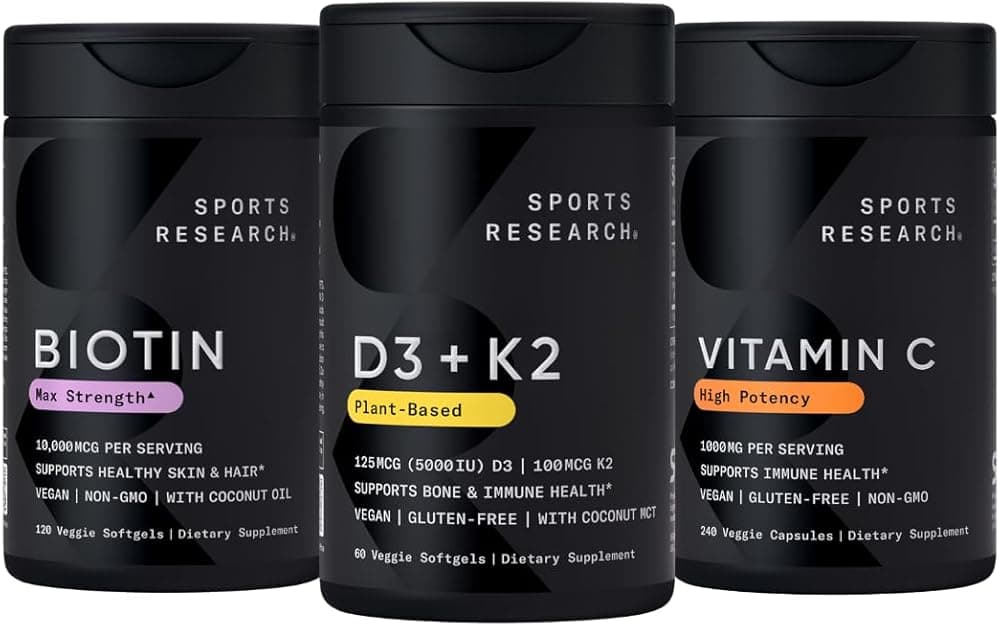
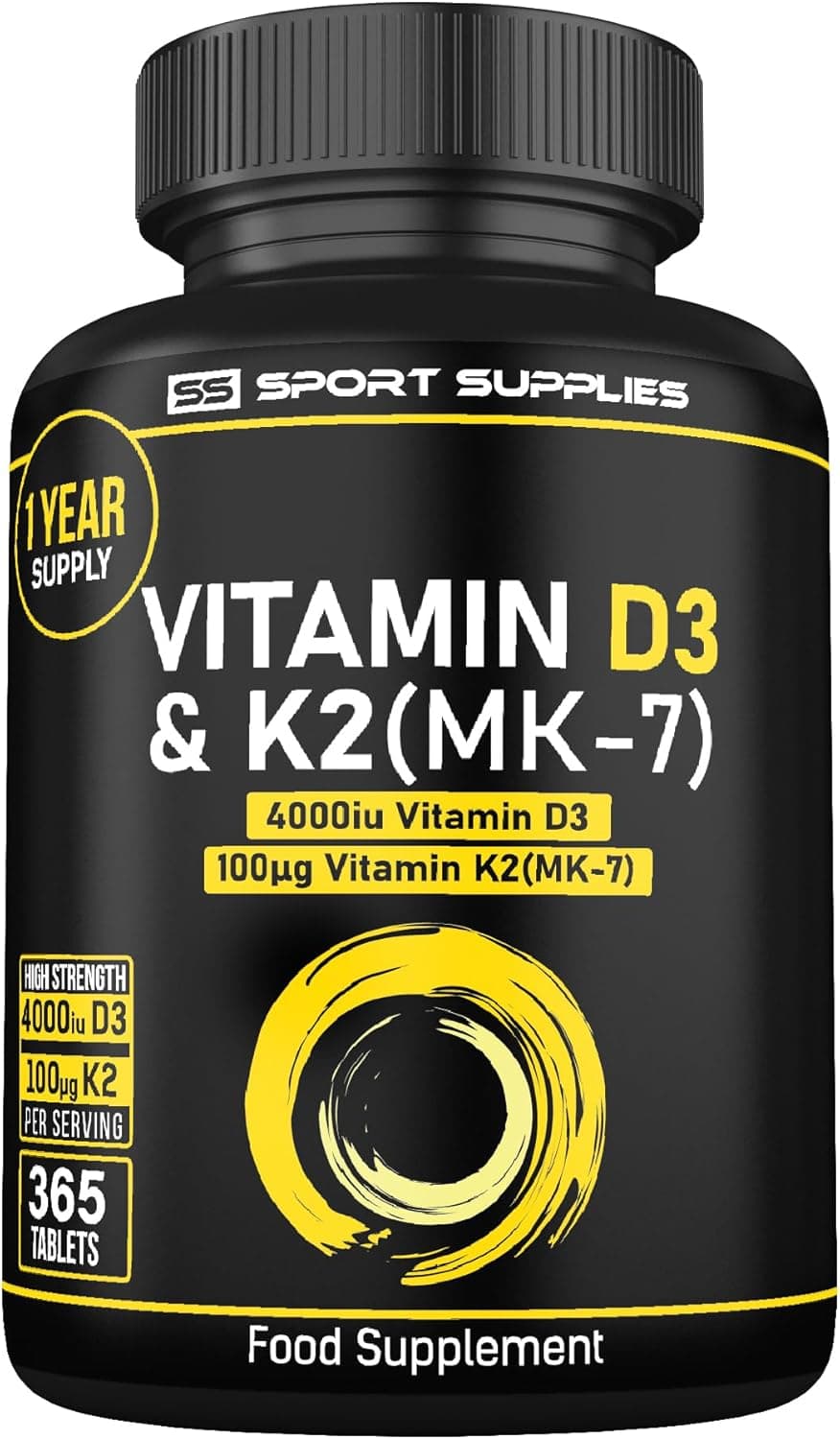
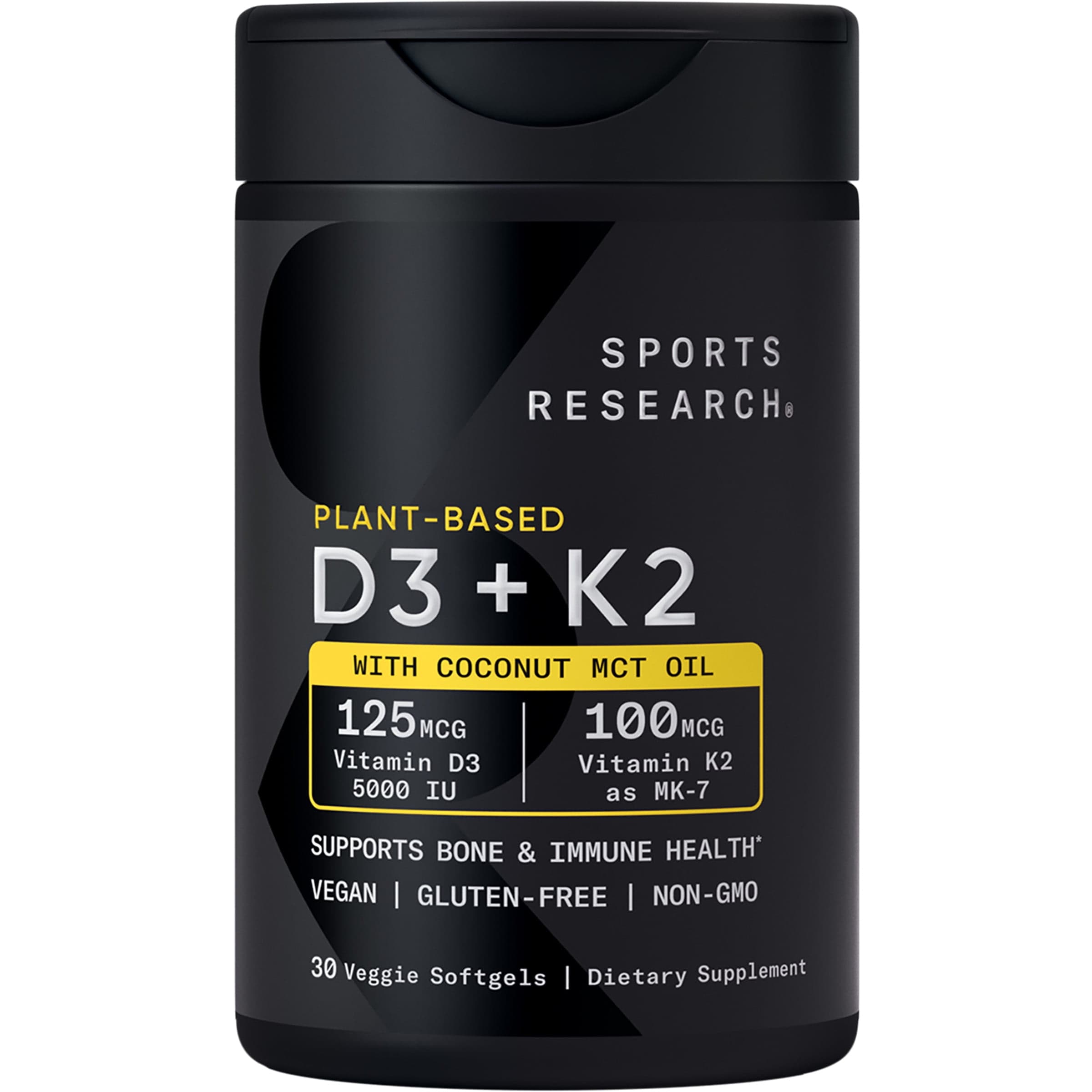
Coconut MCT Oil.
Concentrated medium-chain triglycerides from coconut that provide quick energy and help you absorb fat-soluble vitamins. Delivers medium-chain fats that bypass normal digestion and convert rapidly to ketones in the liver. In supplements, enhances absorption of fat-soluble vitamins and compounds.
Reviewed March 2026
- Category
- Compound
- Also filed under
- Enhances fat soluble vitamin absorptionRapid energy sourceSupports ketone production
What Coconut MCT Oil is, and what it does.
- Does it work
- Suits people eating low carbohydrate, anyone who wants fuel that does not lean on caffeine, and formulas carrying fat-soluble actives that need a lipid to dissolve into.
- How much to take
- 5-15g daily for standalone benefits. Start with 5g and increase gradually. In supplement capsules, the dose is predetermined and typically under 1g per capsule.
- Time to feel it
- Within about 30 minutes to 3 hours of a single dose.
- The first dose
- Standalone therapeutic dose: mild energy boost within 30-60 minutes. Possible GI upset if you start too high. In capsule form: nothing you'd notice independently.
- With regular use
- Gut tolerance improves within 1-2 weeks. Consistent energy benefits at standalone doses. As a carrier oil, ensures reliable absorption of your fat-soluble supplements over time.
- How well tolerated
- Well tolerated in most people. The classic MCT oil side effect is GI distress (cramps, diarrhea) from ramping up too fast. Start low. People with liver conditions should check with their doctor.
- How it feels
- Most people describe an even lift inside the hour without the edge caffeine gives. As a carrier, its work shows up in how well the fat-soluble actives beside it absorb.
- The overlooked benefit
- It is a solvent as much as a fuel. Curcumin, vitamin D3, K2 and CoQ10 dissolve into it and reach the intestine already in a lipid phase.
5 to 15g a day is where Coconut MCT Oil works.
Source: St-Onge & Jones, J Nutr 2002; Vandenberghe et al., Curr Dev Nutr 2017
On an 8-hour metabolic study day, healthy adults took a single 20 mL dose of tricaprylin (C8), tricaprin (C10), trilaurin (C12) or a mixed C8/C10 oil with breakfast, with a second dose four hours later. The rise in plasma acetoacetate, beta-hydroxybutyrate and total ketones was largest after C8 and occurred 0.5 to 3 hours after the dose. In a separate study, 10 healthy adults given single 10, 20 or 30 g doses with breakfast and sampled every 30 minutes for four hours showed roughly a two-fold rise in ketogenesis over the no-treatment control. In a randomised crossover in 8 lean adults and 8 adults with obesity, ketogenesis and metabolic rate rose and blood glucose fell over five hours, and the same response was present after eight days of daily intake. Blood ketones were measured, not alertness.
The proof, claim by claim.
These words describe the research, not the molecule's worth. Research strength is how much work stands behind one claim, and it is never a product score.
Coconut MCT Oil has emerging evidence, with 10 cited human studies on this page.
- Rapid ketone production for energy
- Supports ketogenic diets
- Aids weight management
Questions people ask about Coconut MCT Oil.
- Is coconut MCT oil different from regular MCT oil?
- Usually not. Most MCT oil is already derived from coconut. The 'coconut' label is just being transparent about the source. The product inside is the same concentrated MCT.
- Will this help me get into ketosis faster?
- It helps maintain ketosis by providing direct ketone fuel, but it won't put you into ketosis on its own. You still need to restrict carbs. Think of it as ketosis support, not a ketosis shortcut.
- How much is in my supplement capsule?
- Usually 200-500mg per capsule. That's well below the 5-15g therapeutic range for energy benefits. It's there to help absorb the active ingredient, not to provide standalone MCT benefits.
- Can MCT oil replace my pre-workout?
- It provides quick energy but won't match caffeine for focus and intensity. Some people combine MCT oil with coffee for a pre-workout combo. It's complementary, not a replacement.
- Why does MCT oil give me stomach issues?
- Your gut bacteria need time to adjust to concentrated MCTs. Start with just 1 teaspoon per day and increase slowly. Taking it with food also helps. Most people fully adapt within 7-10 days.
- Does it matter if my MCT comes from coconut vs palm?
- Nutritionally, the MCTs are identical regardless of source. The difference is environmental: coconut-derived MCT is generally considered more sustainable than palm-derived. Most supplement companies use coconut.
Why these belong in the same formula. Each row says what the basis is, from settled biochemistry through to a trial that measured the pair.
Curcumin is fat soluble and dissolves poorly in the watery gut, so little of it is normally absorbed. Suspended in MCT oil it disperses into fine emulsion droplets that carry more of it across the intestinal lining, which is the long standing reason lipid carriers are paired with curcumin.
Cholecalciferol is fat-soluble and needs lipid present to form the micelles that carry it across the intestinal wall. MCT is the standard carrier oil in softgels for exactly this reason.
MK-7 is a long-chain lipophilic quinone whose uptake depends on being dissolved in fat at the point of absorption. Suspension in MCT is standard formulation practice.
Tocopherol needs a lipid phase to be absorbed and also protects the oil phase itself from radical chain oxidation. The two roles are why tocopherol appears in nearly every oil-filled capsule.
Retinyl esters need lipid present for micelle formation and lymphatic uptake. MCT provides that phase in a liquid or softgel format.
Ubiquinol is large and strongly lipophilic, so its absorption depends heavily on being pre-dissolved in oil. MCT solubilises it and is the usual vehicle in ubiquinol softgels.
Astaxanthin is a lipophilic carotenoid whose uptake rises markedly when it is delivered dissolved in oil rather than dry. MCT is the common vehicle in astaxanthin softgels.
Caprylic acid is the C8 fatty acid that makes up much of MCT oil and is released when the triglyceride is cleaved. Naming both describes one molecule and its parent ester.
C8 oil is the isolated caprylic fraction of the same medium-chain pool, converted to ketones faster than the C10 portion. Blending or choosing between them is a decision about the same material.
Monolaurin is the monoglyceride of lauric acid, the C12 fatty acid abundant in coconut fat but largely excluded from MCT oil. C12 is handled more like a long-chain fat, needing bile and chylomicrons, which is precisely why MCT preparations leave it out.
Medium-chain fatty acids diffuse into the mitochondrion largely without the carnitine shuttle, unlike long-chain fats. Carnitine is still useful for the long-chain fat in the diet, but it is not what makes MCT burn quickly.
MCT solubilises a lipophilic compound so it can enter micelles, while piperine slows the glucuronidation that clears it afterwards. The oil handles uptake and the piperine handles retention.
Long-chain fats need bile salts to be emulsified before lipase can act, while medium-chain triglycerides are absorbed largely without that step and pass into the portal vein. MCT is therefore the lipid of choice where bile output is low, and bile salts remain relevant for the long-chain fat alongside it.
Carotenoid uptake depends on chylomicron assembly in the enterocyte, and that assembly is driven by long-chain fatty acids rather than medium-chain ones. An MCT-only vehicle can therefore give lower lutein absorption than an equivalent long-chain oil, so carotenoid formulas often use olive or a long-chain oil instead.
Beta-carotene is fat soluble and has to partition into a lipid phase before it can enter mixed micelles. Medium-chain triglycerides supply that lipid phase in a low-fat matrix such as a powder stick or a capsule fill. Medium-chain fatty acids are absorbed faster and more directly than long-chain ones, so some work suggests they are a weaker chylomicron vehicle than long-chain oils. The pairing is about supplying fat at all, not about which fat carries carotenoids furthest.
Lycopene is a highly lipophilic carotenoid with very low water solubility. Suspending it in MCT oil keeps it dissolved in the dose form and gives it a lipid phase to travel with through the duodenum. This is a formulation and absorption relationship, not a claim that the combination changes any measured outcome.
Zeaxanthin, like lutein, is carried in micelles and then in lipoproteins. An MCT carrier keeps the xanthophyll in solution in the capsule and provides fat at the point of absorption. Softgels commonly pair the two for exactly this reason.
Tocotrienols dissolve readily in triglyceride oils and poorly in water. MCT oil is a common fill because it stays liquid at room temperature and has a light mouthfeel. The trade-off is that MCTs move quickly through the gut lumen, so the vehicle is chosen for solubility and stability rather than for slow lymphatic loading.
Boswellic acids barely dissolve in water, which is the usual explanation for their low and variable systemic appearance. Dispersing the extract in medium-chain triglycerides raises the fraction that is already in solution when it reaches the small intestine. Human absorption data for the specific pairing is limited, so this is a solubility rationale rather than a measured effect.
Quercetin aglycone dissolves far better in oils and in phospholipid dispersions than in water. MCT oil is used as the lipid phase in liquid quercetin products. The reasoning is physicochemical. The pairing has not been characterised in the way the phospholipid delivery forms have.
Resveratrol is more soluble in triglyceride and ethanol phases than in water, so oil-based fills keep more of the dose dissolved. MCT oil is a frequent choice for that fill. Extensive glucuronidation and sulfation in the gut wall and liver remain the dominant limit on circulating parent compound, and a lipid vehicle does not remove that step.
Phosphatidylcholine sits at the oil and water interface and stabilises emulsions of triglyceride oils, including medium-chain ones. In practice the two are combined so an oil phase disperses in a beverage or a soft chew without separating. Phospholipids also contribute to the mixed micelles that carry fat-soluble compounds across the enterocyte membrane.
Sunflower lecithin is the emulsifier that lets MCT oil be spray dried onto a carrier or blended into a drink without oiling off. It is a processing partner rather than a physiological one. Nothing here says the combination changes absorption of anything else in the formula.
MCT oil and caffeine are combined in blended-coffee formats because the oil emulsifies into hot coffee and supplies fat that is oxidised quickly. Their mechanisms are unrelated: caffeine acts on adenosine receptors, medium-chain fatty acids go to hepatic beta-oxidation. Combining them stacks two separate effects rather than producing a single interaction, and the gut tolerance ceiling for MCT applies either way.
Long-chain triglycerides need pancreatic lipase plus bile salt micelles before their fatty acids can be absorbed. Medium-chain triglycerides are shorter and more polar, are partly hydrolysed by gastric lipase, and can be absorbed even as intact triglyceride, which is why they are used where lipolytic capacity is limited. A supplemental lipase blend therefore adds less to MCT handling than it does to a long-chain oil.
EPA and DHA are long-chain fatty acids that require bile, pancreatic lipase and chylomicron assembly. Medium-chain fatty acids largely bypass that route and enter the portal circulation bound to albumin. Taken in the same dose the two do not help each other. The practical point for a formulator is that MCT is a solvent for the omega-3 fill and not an absorption enhancer for it.
Phylloquinone requires a lipid phase and bile for micellar solubilisation. An MCT fill keeps it in solution in the dose form and provides fat at absorption. This is the same vehicle logic that applies to the other fat-soluble vitamins.
Talk to a doctor before taking Coconut MCT Oil if any of these apply to you: Can cause stomach upset at high doses if you're not used to it, Calorie-dense. These are flags to check first, not effects Coconut MCT Oil is known to cause.
Not medical advice. Show the label to your pharmacist.What Coconut MCT Oil actually does.
MCTs are fats built from shorter fatty acids than the ones in most cooking oils, which makes them behave more like a light, watery oil.
Once absorbed, these fats take the short route straight to the liver instead of the longer lymph route most dietary fat uses.
They can enter the cell's furnace without the carrier system longer fats need, so they burn quickly.
Burning them fast leaves the liver with spare fuel fragments, which it converts into ketones.
Where Coconut MCT Oil comes from.
It starts as coconut or palm kernel oil. That oil is broken apart, the shorter fats are distilled out, and they are rebuilt into a light clear oil. It is not just coconut oil in a bottle.
Made from a plant. What ends up in the capsule tracks the harvest, so batch testing and a stated marker matter more here than with a made molecule.
Kernel oils are pressed or solvent extracted from dried coconut copra or from palm kernels. Both are naturally rich in the C8 to C12 fatty acids that the process is after.
The triglycerides are hydrolysed with hot water under pressure, or enzymatically, into free fatty acids plus glycerol.
The free fatty acid mixture is distilled under vacuum and separated by chain length, isolating the caprylic (C8) and capric (C10) cuts from lauric acid and the longer chains.
The selected fatty acid cut is re-esterified with glycerol to rebuild a triglyceride, which is what MCT oil is sold as rather than as free fatty acids.
Residual free fatty acids, colour bodies and volatile odour compounds are stripped, giving a clear and near-odourless oil.
Fractions are blended to a declared ratio, commonly around 60 percent C8 and 40 percent C10, or sold as a single-chain oil.
Filled as a liquid oil or emulsified and spray dried onto a carrier for dry blends and capsules.
Labels frequently say only that the oil is coconut derived and do not state whether palm kernel oil contributed to the fatty acid feedstock, nor the exact C8 to C10 ratio.
Getting Coconut MCT Oil from food.
The whole-food sources on file. A supplement closes the gap, it does not replace dinner.
A gram-for-gram figure (how much of each you would eat to match a dose) will appear here once it is sourced and reviewed. This page will not print a number it cannot cite.
The forms it comes in.
The essence, in one line each.
- Across 13 randomised trials in 749 adults, swapping long-chain fats for medium-chain triglycerides lowered body weight by about 0.51 kg and waist circumference by about 1.46 cm, with no detected change in blood lipids.Meta-analysis. Mumme and Stonehouse, 2015 (Journal of the Academy of Nutrition and Dietetics). PMID 25636220 ↗
- Pooling 11 trials, medium-chain triglycerides reduced how much people ate at a later meal under laboratory conditions compared with long-chain fats (effect size -0.44), while subjective appetite ratings and appetite hormones did not measurably shift.Systematic review. Maher and Clegg, 2020 (Critical Reviews in Food Science and Nutrition). PMID 32212947 ↗
- Across seven randomised trials, MCT oil left total, LDL and HDL cholesterol unchanged and raised triglycerides slightly, by about 0.14 mmol/L.Meta-analysis. McKenzie et al., 2021 (The Journal of Nutrition). PMID 34255085 ↗
- Across randomised trials, medium chain triglycerides were linked with modest improvements in memory measures in older adults with normal cognition.Systematic review. Giannos et al., 2022 (BMC geriatrics). PMID 36273115 ↗
- Taking glucose alongside medium chain triglycerides blunted the rise in blood ketones in healthy adults.Randomised trial. Frenser et al., 2026 (Scientific reports). PMID 41957196 ↗
- In older adults, medium chain triglyceride supplements lowered measured glucose uptake in walking related leg muscle, consistent with a shift toward fat derived fuel.Randomised trial. Mutoh et al., 2025 (Nutrients). PMID 40431447 ↗
- A preload of medium chain triglycerides with whey protein lowered the rise in blood sugar after a meal in adults with raised blood sugar.Randomised trial. Pabla et al., 2025 (The American journal of clinical nutrition). PMID 39732398 ↗
- A systematic review and meta-analysis pooling trials of virgin coconut oil against circulating cardiovascular risk markers. The findings are marker level, not clinical events, and virgin coconut oil is a whole oil rather than a fractionated medium-chain triglyceride.Meta-analysis. Zhang Y et al., 2025 (Diabetology and Metabolic Syndrome). PMID 41444640 ↗
- In a placebo-controlled trial, coconut oil supplementation did not produce a detectable change in blood pressure variability or in oxidative stress markers. That is a failure to detect a difference, not evidence that no difference exists.Randomised trial. Junior FAO et al., 2021 (Nutrients). PMID 33670999 ↗
- Serum 25-hydroxyvitamin D response was compared across different lipid delivery systems for vitamin D supplementation in middle-aged adults. The paper names medium-chain triglyceride among the vehicles studied rather than testing MCT oil as an active.Randomised trial. McCourt AF et al., 2023 (British Journal of Nutrition). PMID 36912075 ↗
These are the studies our verdict leans on, chosen from the 4,980 we read for Coconut MCT Oil. The full linked list is below.
FDA Disclaimer: These statements have not been evaluated by the Food and Drug Administration. This information is for educational purposes only and is not intended to diagnose, treat, cure, or prevent any disease. Consult your healthcare provider before starting any supplement regimen.