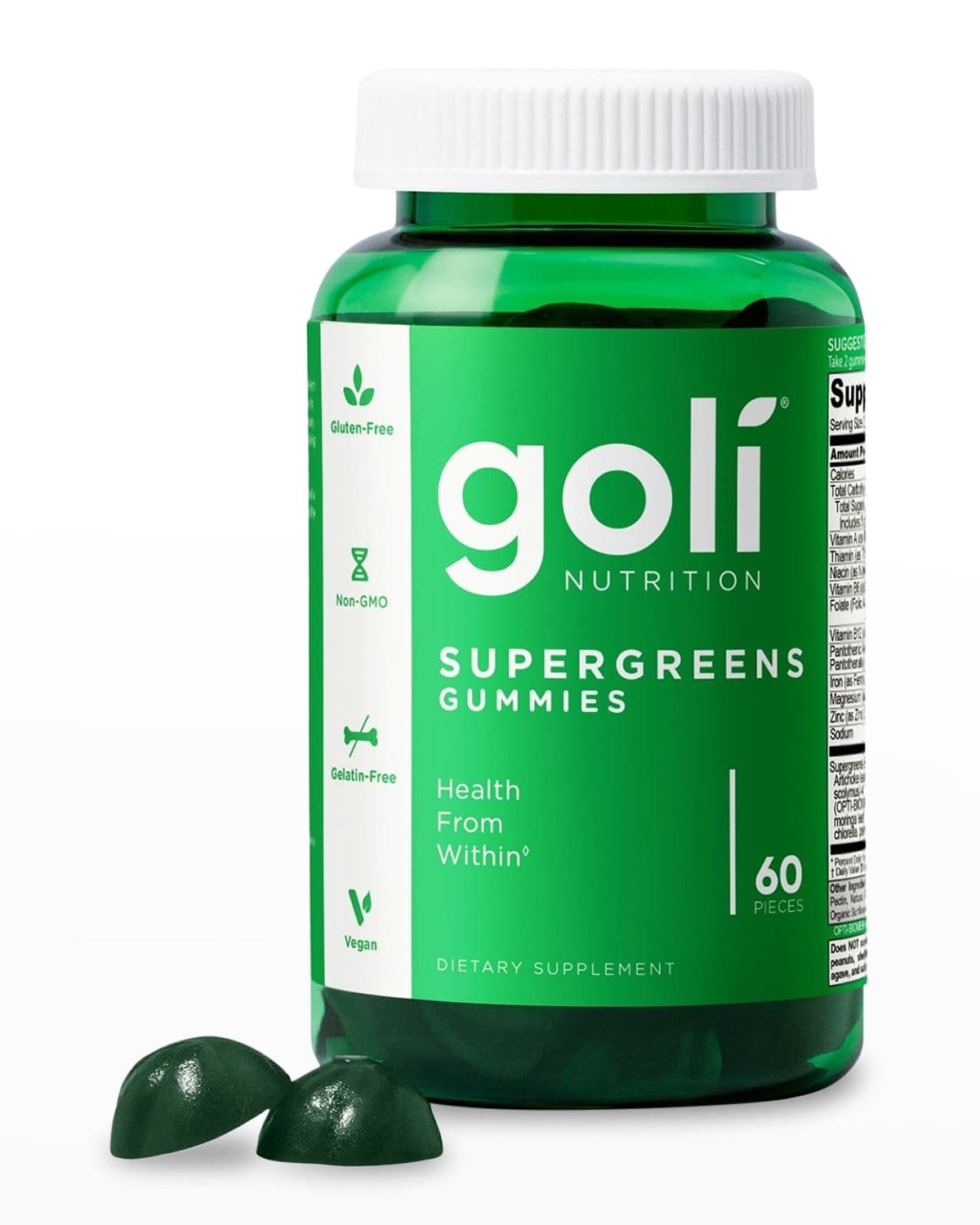
Essential Vitamins Blend.
A proprietary multivitamin blend covering basic vitamin needs in a single serving. Theoretically fills basic vitamin gaps. In practice, impossible to assess without knowing individual vitamin amounts
Reviewed March 2026
- Category
- Vitamin
- Also filed under
- May cover basic vitamin deficienciesConvenience of multiple vitaminsGeneral nutritional insurance
What Essential Vitamins Blend is, and what it does.
- Does it work
- Suits people whose meals vary week to week and who want one daily cover for basic vitamin needs. Reading each vitamin's amount on the panel tells you what you're getting.
- How much to take
- Follow the label recommendation (usually 1 serving). But since you don't know what's in each serving, the 'right' dose is a guess. This is the core problem with proprietary blends.
- Time to feel it
- Nutrient stores refill over weeks, so the change lands on a blood panel rather than in how a morning feels. Anyone genuinely low in one vitamin tends to notice sooner.
- The first dose
- Nothing noticeable. If you feel something on day 1 from a vitamin blend, it's almost certainly placebo.
- With regular use
- Weeks of daily use keep the water-soluble vitamins topped up and slowly rebuild the fat-soluble stores. It's cover against everyday gaps rather than a stimulant.
- How well tolerated
- Vitamins in ordinary daily amounts are well tolerated. The fat-soluble ones and iron accumulate, so run the label amounts past your clinician if you take other supplements too.
- How it feels
- Most people feel nothing day to day, which is what filling a nutrient gap is like. Bright yellow urine is riboflavin passing through and is entirely normal.
- The overlooked benefit
- Riboflavin sits upstream of both vitamin B6 and folate activation, so its presence in the mix is what makes the two vitamins beside it usable.
1g a day is where Essential Vitamins Blend works.
Source: General multivitamin literature
The proof, claim by claim.
These words describe the research, not the molecule's worth. Research strength is how much work stands behind one claim, and it is never a product score.
- Covers basic vitamin needs
- Better than no vitamins
- Proprietary blend is somehow special
Questions people ask about Essential Vitamins Blend.
- Should I take this or a regular multivitamin?
- A transparent multivitamin, every time. You deserve to know what you're taking and at what doses. One A Day, Garden of Life, Thorne, Nature Made, etc., all list individual vitamin amounts. Pick one of those.
- Can I just eat better instead?
- For most healthy adults, yes. A diet with fruits, vegetables, proteins, and whole grains covers essential vitamins. Supplements are insurance for when diet falls short. The people who truly need supplementation are those with restricted diets, malabsorption, or confirmed deficiencies.
- How do I know if I have a vitamin deficiency?
- Blood work. Ask your doctor to check vitamin D, B12, iron/ferritin, and folate at minimum. These are the most common deficiencies. Random supplementation without testing is like throwing darts blindfolded. You might hit the target, but you probably won't.
- Is more always better with vitamins?
- Absolutely not. Fat-soluble vitamins (A, D, E, K) accumulate in your body and can reach toxic levels. Even water-soluble vitamins can cause problems at megadoses (B6 neuropathy, for example). RDA amounts are sufficient for most people. Megadosing is rarely beneficial and sometimes harmful.
- What if this is the only vitamin blend in my product?
- Then you're stuck trusting the manufacturer's dosing judgment. If the rest of the product is great and the vitamin blend is a small add-on, it probably won't hurt. But if vitamins are the main selling point and the doses are hidden, that's a dealbreaker. Find a better product.
Why these belong in the same formula. Each row says what the basis is, from settled biochemistry through to a trial that measured the pair.
Calcium interferes with non-heme iron and with zinc absorption at the enterocyte, which is why multivitamin blends either keep calcium modest or split the dose. Adding a separate calcium supplement at the same time works against the blend's minerals.
Iron competes with zinc and copper for shared divalent transporters and is itself blunted by calcium in the same dose. Iron placement is the main balancing decision in any multivitamin.
Zinc induces metallothionein in the enterocyte, which traps copper, so sustained high zinc lowers copper status. Blends hold a zinc to copper ratio for this reason.
Copper uptake falls as zinc intake rises through metallothionein induction, and high-dose ascorbate also acts against copper. Copper is included in blends to hold the ratio rather than for its own sake.
Vitamin D3 raises calcium and phosphate absorption, and its signalling shares the RXR partner with retinoic acid from the blend's vitamin A. The fat-soluble vitamins are dosed in proportion, not in isolation.
K2 carboxylates osteocalcin and matrix Gla protein, the proteins that direct the calcium a blend supplies into bone matrix. A blend heavy in D and calcium leans on K2.
Magnesium activates vitamin D through the hydroxylase steps and is required by the kinases that build B vitamin coenzymes. Much of a blend depends on magnesium status to function.
Ascorbate reduces ferric iron to the transportable ferrous form, raising iron uptake from the blend, while also regenerating tocopherol. At sustained high intakes it acts against copper, so it cuts both ways.
Vitamins A, D, E and K need dietary lipid and bile-driven micelles to be absorbed. Taking a blend with a fat source raises uptake of its fat-soluble share.
Vitamin E, vitamin K, vitamin D and carotenoids all travel the same mixed-micelle and chylomicron route, and at high doses they compete for that shared capacity. Alpha-tocopherol in particular is documented to interfere with vitamin K handling. In a multi-vitamin blend this is a reason to state each amount plainly rather than to assume all of it is absorbed together.
Phylloquinone shares the fat-soluble absorption pathway with the other lipid vitamins and, unlike them, has a short circulating half-life and small hepatic reserve. High tocopherol intake alongside it is a recognised antagonism at the level of vitamin K status. Amounts and forms matter more here than the presence of the nutrient on a label.
Beta-carotene competes with lutein, zeaxanthin and lycopene for micellar incorporation and for the same intestinal transporters, so co-dosing lowers the fractional absorption of each. It also serves as a provitamin A source whose conversion varies widely between people. A blend that lists both preformed vitamin A and beta-carotene is delivering two different things, not one dose twice.
Riboflavin-derived FAD is required by pyridoxine 5-phosphate oxidase to activate B6, and by methylenetetrahydrofolate reductase to make the active folate form. Riboflavin status therefore gates how usable the B6 and folate in a blend are. This is one of the strongest internal dependencies inside any B complex.
Pyridoxal 5-phosphate is the cofactor for cystathionine beta-synthase and cystathionine gamma-lyase, the transsulfuration exit from homocysteine. Folate and B12 handle remethylation. B6 handles the other route. A blend that carries folate and B12 without adequate B6 covers only half the pathway.
Folate and B12 are locked together at methionine synthase: without B12 the methyl group cannot leave 5-methyltetrahydrofolate, and folate accumulates in that unusable form. This is the methyl trap, and it is the reason the two are always formulated together. It is settled biochemistry, not an inference.
Methylcobalamin is the cofactor for methionine synthase and adenosylcobalamin for methylmalonyl-CoA mutase. High folate intake can normalise the blood picture while the B12-dependent step remains unserved, which is why B12 status is assessed on its own markers. A blend should be read for both amounts, not one.
Biotin serves five carboxylases spanning fatty acid, amino acid and gluconeogenic metabolism, sitting alongside thiamine, riboflavin, niacin and pantothenate in the same energy network. Worth flagging separately: high-dose biotin interferes with streptavidin-biotin immunoassays, so laboratory results can be distorted while nothing about the person has changed.
Pantothenate is the obligatory precursor of coenzyme A, the acyl carrier that thiamine-, riboflavin- and niacin-dependent enzymes all work with. Its role in a blend is structural to the pathway rather than additive to any single vitamin. Established biochemistry.
Thiamine pyrophosphate drives pyruvate dehydrogenase, alpha-ketoglutarate dehydrogenase and transketolase, three nodes that also require niacin-derived NAD and pantothenate-derived CoA. The B vitamins in a blend are not parallel actives. They are consecutive parts of one machine. Thiamine is also the least stable of them in the presence of sulphites and high moisture.
NAD and NADP made from niacin are the electron carriers for the dehydrogenase steps that thiamine and riboflavin cofactors operate. Tryptophan also contributes to niacin synthesis in a B6-dependent step, which ties niacin back into the same B complex. Form matters for tolerability: nicotinic acid flushes, nicotinamide does not.
Choline oxidised to betaine is an alternative methyl donor for homocysteine remethylation, running in parallel to the folate and B12 route. Many blends omit it because the amounts required are gram-scale and will not fit a tablet. Its absence is a formulation constraint worth naming rather than a defect.
Iodine is incorporated into thyroid hormone, and selenium-dependent deiodinases are what convert that hormone to its active form. The two belong together in a blend for that reason. Both also have a narrow useful range, so amounts should be read rather than assumed.
Selenocysteine sits in glutathione peroxidases and thioredoxin reductases, the enzymes that recycle the oxidised products vitamins C and E generate when they quench radicals. Selenium also runs the deiodinases that act on thyroid hormone. Its role in a vitamin blend is to complete redox cycles the vitamins start.
Manganese and iron share the divalent metal transporter DMT1, so a high iron load lowers manganese uptake and the same is true in the other direction. Any blend carrying both minerals is subject to this competition. It is a documented transport interaction rather than a reason to avoid either.
Phytate in a plant-based meal chelates zinc, iron and calcium, and phytase hydrolyses it, releasing those minerals for absorption. A vitamin blend taken with a high-phytate meal is subject to the same binding. Grounded in food chemistry. How much difference a supplemental enzyme makes in practice is less settled.
Phospholipid emulsifiers help disperse the fat-soluble vitamins in an aqueous gut environment, which is why they appear in softgel and liquid multivitamins. The effect is on dispersion and dosing uniformity in the product. It is a manufacturing choice and should not be read as a claim about the person taking it.
Alpha-tocopherol and the tocotrienols compete for the same transfer protein and lipoprotein carriers, and large alpha-tocopherol doses lower tocotrienol levels. A blend declaring vitamin E as alpha-tocopherol alone is not delivering the wider vitamin E family. Stating which isomers are present is the honest way to handle it.
Talk to a doctor before taking Essential Vitamins Blend if any of these apply to you: Proprietary blend hides individual doses, Likely underdosed on most vitamins, No way to verify what you're actually getting. These are flags to check first, not effects Essential Vitamins Blend is known to cause.
Not medical advice. Show the label to your pharmacist.What Essential Vitamins Blend actually does.
Vitamins A, D, E and K need dietary fat, bile salts and pancreatic lipase to package them into mixed droplets before absorption. Their uptake tracks the fat content of the meal, not the tablet on its own.
The water-soluble B vitamins ride specific carriers in the small intestine, and those carriers saturate. That's why a very large single dose gets absorbed as a smaller fraction, with more of it leaving in urine.
Riboflavin becomes FAD, and FAD is needed both to turn pyridoxine into pyridoxal 5-phosphate and to make the methyl form of folate. So riboflavin sits upstream, gating how usable two other vitamins in the same blend are.
Folate and vitamin B12 meet at the enzyme methionine synthase. Without B12 the methyl group stays stuck on 5-methyltetrahydrofolate, leaving folate trapped in a form the cell can't put to work.
Where Essential Vitamins Blend comes from.
Nothing about a multivitamin is made in one place. Each vitamin is produced on its own, some by fermentation, some by chemical synthesis, some by shining ultraviolet light on a starting material, then the powders are weighed, mixed and put into a capsule or tablet. The steps that decide what is actually in the capsule are the accuracy of that weighing, the forms chosen, and whether the vitamins are kept from degrading each other in the mix.
The same molecule is reached more than one way. Which route a given product used is a manufacturing choice, and the finished compound is the same either way.
A blend has no single origin. Riboflavin and vitamin B12 are made by microbial fermentation, using Bacillus or Ashbya species for riboflavin and Propionibacterium or Pseudomonas for cobalamin. Thiamine, pyridoxine, niacinamide, pantothenate, folic acid and ascorbic acid are chemically synthesised. Vitamin D3 is most often produced from lanolin cholesterol by ultraviolet conversion, with a lichen-derived route used for vegan labels. Vitamin E comes from plant oil distillate for the natural form or petrochemical synthesis for the racemic form.
Each vitamin is converted to the salt or ester the formulator specified: acetates and palmitates for retinol and tocopherol, hydrochlorides for thiamine and pyridoxine, calcium salts for pantothenate and methylfolate. This step, not the blending, is what determines which form appears on the label.
Sensitive vitamins are spray-coated or granulated with a hydrocolloid or fat coat to keep incompatible neighbours apart in the dry matrix, since ascorbate and mineral ions accelerate the loss of B12 and folate. Overages are calculated so that the label amount is still present at the end of shelf life, which is standard practice and part of why an assay early in life reads above label.
Individual powders are weighed against a batch record, blended to a validated mixing time, and tested for content uniformity and identity per vitamin. Blend uniformity is the specification that decides whether a single capsule matches the label, and it is where a poorly controlled blend actually fails.
The blend is encapsulated, compressed into tablets or filled into sachets, then packed with a moisture and oxygen barrier. Stability testing across the claimed shelf life closes the loop. A proprietary blend designation hides the individual amounts but does not change any of these steps.
A proprietary blend declaration legally conceals the individual amounts, and the manufacturing route of each vitamin, including whether D3 came from lanolin or lichen and whether E is natural-source or racemic, is rarely stated unless the brand chooses to.
Getting Essential Vitamins Blend from food.
The whole-food sources on file. A supplement closes the gap, it does not replace dinner.
A gram-for-gram figure (how much of each you would eat to match a dose) will appear here once it is sourced and reviewed. This page will not print a number it cannot cite.
The forms it comes in.
FDA Disclaimer: These statements have not been evaluated by the Food and Drug Administration. This information is for educational purposes only and is not intended to diagnose, treat, cure, or prevent any disease. Consult your healthcare provider before starting any supplement regimen.