Ingredients/Lipid/Algae DHA

Algae DHA.

Sustainable vegan DHA from the original source Delivers DHA, the omega-3 essential for brain, eyes, and heart. Sustainable and vegan-friendly source.

StrongResearch strength500 to 2,000mgDaily amount37Studies read

Reviewed March 2026

ADLipid
Algae DHAIngredientMD
Category
Lipid

Also filed under
Brain HealthEye HealthVegan Omega 3

What Algae DHA is, and what it does.

Does it work
Essential fatty acid most people lack. The plant source is as effective as fish-derived.
How much to take
200-1000mg DHA daily. Check the label for actual DHA content.
Time to feel it
About eight weeks of daily use.
The first dose
Day one is quiet. The oil absorbs with your meal fat and starts moving into membranes, and that change reads on an omega-3 index weeks later.
With regular use
Brain function, mood, and inflammation benefits over months.
How well tolerated
Well tolerated. No mercury or PCB concerns.
How it feels
Subtle cognitive clarity and mood stability over time.
The overlooked benefit
Some of the DHA you swallow is converted back into EPA in your peroxisomes, so a DHA only oil still lifts EPA in your blood.

How common this is.

Public health figures for this ingredient, reported by the agencies that publish them, cited and dated.

Population figures from public health data. Context for the category, not a statement about any individual and not a claim about this product.

500 to 2,000mg a day is where Algae DHA works.

How much to take a dayHigh confidence
500 to 2,000mg
Daily maintenanceThe everyday amount, and where most daily supplements sit. This is the one you take month after month.
4,000mgClinical territory. Trials run high on purpose, for a set number of weeks, against one measured outcome. Impressive to hit, and not what a daily product is for.
Above 5,000mgPast what the research covers. More capsules rather than more effect.
MORE EFFECT ↑02,000mg4,000mg plateauDAILY DOSE →
The shaded band is where the dosing trials landed.

Source: GISSI-HF 2008 + AHA 2019 Guidelines

How long it takes, and what happens if it stopsPromising
WHAT THE TRIALS MEASUREDthe level the trials measuredlast doseDay 0about eight weeks of daily useafter the last doseTIME ON IT →
Builds over about eight weeks of daily useReturns toward baseline after the last dose

In a randomised single-blind trial, 20 participants took either fish oil supplying 1,296 mg EPA and 864 mg DHA daily or flaxseed oil for eight weeks, with erythrocyte membrane and plasma samples drawn at weeks 0, 4, 8, 10, 12, 14, 16 and 24. On fish oil, erythrocyte membrane EPA rose 300 percent and DHA rose 42 percent by week eight. Levels held until about week 12 and then declined across the post-supplementation sampling, faster in plasma phospholipids than in erythrocyte membranes. Membrane fatty acid content was measured, not a symptom, and this is one trial of 20 people.

Cao et al., 2006PMID 17053155

Kept, not banked. The cited trial measured a return toward baseline after the last dose, so the effect holds while it is taken daily, not stored up. That rests on the trial window above.

The proof, claim by claim.

These words describe the research, not the molecule's worth. Research strength is how much work stands behind one claim, and it is never a product score.

Algae DHA has emerging evidence. Based on 37+ studies.

1 citation on page
  • Brain supportExtensive research
  • Heart healthWell-established
PubMedCochraneClinicalTrials.govNIH ODSSUPP.AI37 studies readLabs test. IngredientMD verifies.PubMedCochraneClinicalTrials.govNIH ODSSUPP.AI37 studies readLabs test. IngredientMD verifies.

Questions people ask about Algae DHA.

When should I take it?
Timing matters less than consistency. Pick a time that works for you and take it daily.
Fish oil vs. krill oil?
Both work. Krill is slightly better absorbed (phospholipid form) and has astaxanthin, but costs more. Fish oil at the right dose works just fine for most people.
How do I avoid fish burps?
Take it with food. Store in the freezer (seriously, it works). Look for enteric-coated capsules. If it still happens, the oil might be rancid. Give it a sniff.
Can I take it with other supplements?
Usually fine. The main thing to watch is not doubling up on the same ingredient from different products. If you're on prescription meds, check with your pharmacist first.
Pairs well with31 on file

Why these belong in the same formula. Each row says what the basis is, from settled biochemistry through to a trial that measured the pair.

Algae DHA + Vitamin EEstablished lipid-antioxidant biochemistry

DHA is one of the most easily oxidized fats in the diet because of its many double bonds, and vitamin E is the fat-soluble antioxidant the body relies on to keep such fats stable, both inside the softgel and in cell membranes. A higher omega-3 intake draws on more vitamin E, which is why tocopherols are the usual companion added to these oils.

Algae DHA + LuteinRetinal structure and co-absorption

DHA is a major structural fat built into the membranes of retinal photoreceptor cells, and lutein gathers in the same central retina as macular pigment, so the two support the normal makeup of eye tissue from different angles. Lutein is fat-soluble, so the omega-3 oil also aids its absorption.

Algae DHA + AstaxanthinLipid-antioxidant co-formulation

Astaxanthin is a fat-soluble carotenoid antioxidant that settles into the same oily phase as DHA and helps shield its fragile double bonds from oxidation. Both are often sourced from algae, and pairing them is one way to help keep the polyunsaturated oil stable.

Algae DHA + EPAComplementary long-chain omega-3 pool

DHA is the structural fatty acid of neural and retinal membranes while EPA is the main substrate for the three-series eicosanoids, and DHA retroconverts to EPA only partly, so the two cover different ends of the omega-3 pool.

Algae DHA + ZeaxanthinMacular pigment and membrane pairing

Zeaxanthin concentrates in the central macula as a pigment while DHA makes up the photoreceptor outer segment membranes, so they occupy different structural roles in the same tissue.

Algae DHA + CholinePhospholipid backbone for DHA

Most DHA is carried and stored esterified into phosphatidylcholine and phosphatidylethanolamine, so choline supplies the head group that DHA needs to be built into a membrane.

Algae DHA + PhosphatidylserineDHA-rich phospholipid species

Neuronal phosphatidylserine is preferentially acylated with DHA, and its accumulation in membranes tracks DHA availability, so the two are structurally linked rather than merely co-formulated.

Algae DHA + Vitamin D3Co-absorption in the lipid phase

Vitamin D3 needs dietary fat and bile-salt micelles to be absorbed, and the algal oil carrying the DHA provides that lipid phase, which is why the two are delivered in one softgel.

Algae DHA + Vitamin K2 (MK-7)Co-absorption in the lipid phase

Menaquinone is fat soluble and its uptake rises when taken with an oil load, so the algal oil acts as the carrier without any pathway interaction.

Algae DHA + Flaxseed OilUpstream precursor with limited conversion

Flax supplies alpha-linolenic acid, which must pass through desaturase and elongase steps that convert only a small fraction to DHA, so algal DHA supplies directly what flax delivers only partly.

Algae DHA + Aged Garlic Extract (Kyolic)Additive effect on normal platelet aggregation

Long-chain omega-3 fatty acids shift eicosanoid balance toward less aggregatory species and garlic organosulfur compounds also reduce platelet aggregation, so the two add on the same normal clotting function.

Algae DHA + Ginkgo BilobaAdditive effect on normal platelet aggregation

Ginkgolides antagonise platelet activating factor, which stacks with the omega-3 effect on platelet function, so the pairing warrants a note rather than a claim.

Algae DHA + Fish Oil (Triglyceride Form)Same fatty acids from a different source

Algal DHA and marine triglyceride oil deliver the same long-chain omega-3 fatty acids, so combining them raises total intake and repeats one mechanism rather than adding a new one.

Algae DHA + Coenzyme Q10Established membrane chemistry: both are lipophilic and sit in the same phospholipid bilayers, where reduced coenzyme Q10 quenches lipid peroxyl radicals.

DHA carries six double bonds, which is what makes it flexible in a membrane and also what makes it easy to oxidise. Coenzyme Q10 in its reduced form intercepts lipid peroxyl radicals inside the bilayer, so the two are often taken together on the reasoning that the antioxidant protects the fatty acid. This is membrane chemistry rather than a measured clinical pairing.

Algae DHA + SeleniumEstablished biochemistry: glutathione peroxidase 4 is a selenoprotein that reduces phospholipid hydroperoxides in membranes.

The enzyme that reduces oxidised membrane phospholipids, glutathione peroxidase 4, needs selenium at its active site. Low selenium status limits that capacity while DHA intake raises the amount of oxidisable fatty acid in the membrane. The relationship is a cofactor requirement, not a trial result.

Algae DHA + Vitamin CEstablished redox chemistry: ascorbate regenerates the tocopheroxyl radical back to alpha-tocopherol, the chain-breaking antioxidant that guards polyunsaturated fatty acids.

Vitamin E does the direct work of stopping lipid peroxidation chains in a membrane, and vitamin C in the aqueous phase hands it an electron so it can go again. That recycling loop is why ascorbate matters to anyone taking a long-chain omega-3. Vitamin C does not enter the membrane itself.

Algae DHA + PhosphatidylcholineEstablished biochemistry: DHA is esterified predominantly at the sn-2 position of membrane phosphatidylcholine and phosphatidylethanolamine.

DHA does not float free in tissue. It is built into phospholipids, and phosphatidylcholine is the main carrier species in plasma and in cell membranes. Supplying the phospholipid backbone and supplying the fatty acid are two halves of the same structure.

Algae DHA + LecithinFormulation practice: lecithin phospholipids emulsify oils in the gut lumen and are used as emulsifiers in omega-3 preparations.

Algal oil has to be dispersed into mixed micelles before the enterocyte can take up the fatty acid. Lecithin lowers the interfacial tension and helps that dispersion, which is why it appears both as a formulation aid and as a co-ingredient. The effect is on dispersion, not on how much DHA the body then uses.

Algae DHA + MCT oilEstablished absorption physiology: dietary fat triggers bile release and micelle formation, which long-chain fatty acid uptake depends on.

Long-chain omega-3 uptake climbs when the dose is taken with fat rather than on an empty stomach. Medium-chain triglycerides are one convenient fat vehicle in a capsule or a drink. Medium-chain fats themselves take a different route through the portal vein, so they are the carrier here, not a co-active.

Algae DHA + GlutathioneEstablished biochemistry: glutathione is the reducing substrate for the peroxidases that clear lipid hydroperoxides.

Glutathione peroxidases cannot reduce a membrane hydroperoxide without glutathione to spend. That places glutathione status upstream of how well DHA-rich membranes are protected. Oral glutathione absorption is a separate question from this mechanism.

Algae DHA + Alpha-lipoic acidEstablished redox chemistry: dihydrolipoate participates in the cellular antioxidant network that regenerates other antioxidants.

Alpha-lipoic acid works in both water-soluble and lipid-soluble environments, which lets it feed electrons back into the tocopherol and ascorbate pools. The pairing with a polyunsaturated oil rests on that network chemistry. No combination trial in people supports a specific outcome.

Algae DHA + RosemaryEstablished formulation practice: rosemary extract is a recognised natural antioxidant used to slow oxidation in polyunsaturated oils.

Rosemary phenolics such as carnosic acid are added to fish and algal oils to keep peroxide values low during shelf life. This protects the product in the bottle rather than doing anything inside the body. It matters because an oxidised oil delivers less intact DHA.

Algae DHA + MethylfolateEstablished one-carbon biochemistry: S-adenosylmethionine-dependent PEMT methylates phosphatidylethanolamine to phosphatidylcholine, the species that carries DHA in plasma.

The liver exports DHA to tissue largely inside phosphatidylcholine, and one route to that phospholipid runs through three methylation steps that draw on folate-dependent methyl supply. Folate status therefore sits upstream of a DHA transport pathway. This is pathway logic, not a measured effect of taking the two together.

Algae DHA + Vitamin B12Established one-carbon biochemistry: B12-dependent methionine synthase maintains the methyl supply used for phosphatidylcholine synthesis.

Methionine synthase needs B12 to regenerate methionine, which becomes the methyl donor for the PEMT route to phosphatidylcholine. That phospholipid is the main vehicle carrying DHA out of the liver. The link is biochemical positioning rather than a clinical pairing.

Algae DHA + TaurineEstablished tissue distribution: taurine and DHA are both concentrated in retina and neural tissue, and taurine conjugates bile acids used for fat absorption.

Taurine is one of the two amino acids used to conjugate bile acids, and bile is what emulsifies an algal oil dose. Separately, taurine and DHA co-occur at high concentration in photoreceptor and neural membranes. Neither observation has been tested as a combination in people.

Algae DHA + Fish oilSame nutrient class: both deliver long-chain omega-3 fatty acids, so intakes add rather than complement.

Algal DHA and fish oil feed the same fatty acid pool and raise the same erythrocyte membrane content. Taking both is a matter of total intake, not of two different actions. Anyone stacking them should count the combined omega-3 amount rather than reading them as separate ingredients.

Algae DHA + IronEstablished chemistry: free ferrous iron catalyses Fenton-type decomposition of lipid hydroperoxides, and polyunsaturated fatty acids are the substrate.

Unbound iron accelerates lipid peroxidation chains, and a six-double-bond fatty acid is the most oxidisable target in the mixture. This is why iron salts and unprotected polyunsaturated oils are kept apart in formulation and why antioxidant protection is standard in both. In the body iron is bound to carrier proteins, which limits how far the chemistry translates.

Algae DHA + CopperEstablished chemistry: copper ions catalyse lipid peroxidation of polyunsaturated fatty acids in vitro.

Like iron, free copper drives radical chain reactions in polyunsaturated oils and is a standard prooxidant in oxidation testing. The practical read is a formulation caution about mixing a redox-active mineral into an oil matrix. Physiological copper is protein-bound, so this does not describe what happens at normal intakes.

Algae DHA + NattokinaseEstablished pharmacology: both are used with an eye on platelet function and clotting, so effects on those processes can add.

High intakes of long-chain omega-3 fatty acids shift platelet eicosanoid production, and nattokinase acts on fibrin. Stacking two agents that both touch clotting is worth flagging even without a combination study, particularly around surgery or with anticoagulant medication. Anyone in that situation should raise it with a clinician.

Algae DHA + GarlicEstablished pharmacology: garlic constituents affect platelet aggregation, an effect that can add to that of long-chain omega-3 fatty acids.

Garlic organosulfur compounds reduce platelet aggregation in laboratory and human testing, and long-chain omega-3 intake alters platelet thromboxane production. The two together are a recognised additive-effect pairing rather than a synergy that improves anything. The relevant caution is peri-operative and anticoagulant use.

Algae DHA + Vitamin AEstablished tissue biology: photoreceptor outer segments are unusually rich in DHA and depend on retinal, the vitamin A aldehyde, for phototransduction.

DHA supplies the membrane environment of the photoreceptor disc while retinal is the chromophore embedded in it. That shared location is why the two turn up together in eye formulas. It is anatomy and biochemistry, not a tested combination effect.

Who should be cautious

Nothing specific on file for Algae DHA. Match the label to the daily amount above, and tell your doctor what you take.

Not medical advice. Show the label to your pharmacist.

What Algae DHA actually does.

Established

DHA is a 22-carbon fat carrying six double bonds. Nothing else your body holds in large amounts is that long or that unsaturated, which is unusual chemistry for a nutrient.

Established

Your body slots DHA into the fatty layer of cell membranes, at a specific spot on two of the main membrane fats. It piles up most in the light-sensing cells of the eye and in grey matter.

Established

Fish don't make DHA, they eat algae that do. Algal oil hands you the same molecule straight from the original source, skipping the fish food chain entirely.

Established

Your body can convert the plant omega-3 alpha-linolenic acid into DHA, but the enzyme steps throttle it. That's why plant omega-3 and preformed DHA aren't interchangeable as intakes.

Grown by microbes, 6 steps on record

Where Algae DHA comes from.

The DHA is grown, not fished. Microalgae are fed sugar in a tank, they make the fatty acid themselves, and the oil is pressed out and cleaned up. Fish get their DHA from the same kind of algae, so the molecule is the same one.

Produced by a cultured organism rather than harvested. The strain is selected and the conditions are controlled, so batches sit closer together than a field crop.

Starts as
Sugar substrate

Heterotrophic culture of a marine microalga is fed a carbon source, typically glucose from corn or another crop sugar, in a closed fermenter.

Converted by
Fermentation

Strains such as Schizochytrium or Crypthecodinium cohnii accumulate DHA-rich triglyceride inside the cell during controlled fermentation; the fatty acid is synthesised by the organism, not added.

Extracted by
Cell harvest and oil recovery

Biomass is separated and dried, then the intracellular oil is recovered by mechanical pressing or solvent extraction.

Purified by
Refining and deodorising

The crude oil is degummed, refined, bleached and deodorised to remove pigments, phospholipid gums and volatile odour compounds, with peroxide and anisidine values controlled.

Standardised to
DHA assay and antioxidant addition

The oil is assayed by gas chromatography to a stated DHA percentage and stabilised with tocopherols or rosemary extract before filling.

Ends up as
Softgel, liquid or powder

Filled into oxygen-barrier softgels, bottled as a liquid under nitrogen, or emulsified and spray-dried into a microencapsulated powder.

Getting Algae DHA from food.

The whole-food sources on file. A supplement closes the gap, it does not replace dinner.

Marine microalgaeAtlantic salmon, cookedSardines, canned in oilWhole egg

A gram-for-gram figure (how much of each you would eat to match a dose) will appear here once it is sourced and reviewed. This page will not print a number it cannot cite.

The forms it comes in.

Algal DHA oil (triglyceride)DHA esterified to glycerol as a natural triglyceride within the extracted microbial oil.Fits Softgels, liquid oils and vegan omega-3 products where the fatty acid is delivered in the same ester class as dietary fat.Trade-off Needs bile and dietary fat for micelle formation, and the oil is oxidation-sensitive so packaging and peroxide limits matter.
DHA-rich algal oil with EPAAn algal oil from a strain or blend that carries eicosapentaenoic acid alongside DHA, standardised to a stated ratio.Fits Formulas that want both long-chain omega-3 fatty acids from a non-fish source in one oil.Trade-off The DHA percentage per gram is lower than in a DHA-only oil, so label ratios have to be read rather than assumed.
Spray-dried DHA powderAlgal oil emulsified and dried inside a protein or carbohydrate wall material to give a free-flowing powder.Fits Powders, sachets, tablets, gummies and food fortification where a liquid oil is impractical.Trade-off Wall material dilutes the oil load, so a gram of powder carries far less DHA than a gram of oil, and the wall must stay intact to keep oxygen out.Active and formulation aid
Dried algal biomassThe dried microbial cells themselves, with the DHA still inside the intracellular lipid droplets alongside cell protein and pigment.Fits Whole-food style products and animal feed, where extraction is not wanted.Trade-off DHA concentration per gram is low, the cell wall has to be disrupted or digested for release, and the material carries colour and taste.
Ethyl ester concentrateDHA transesterified to ethanol during concentration, giving a higher fatty acid percentage than the native oil.Fits High-concentration capsules where dose per softgel is the constraint.Trade-off The ethyl ester bond is hydrolysed more slowly than a triglyceride, so uptake is more dependent on a fatty meal.
What the strongest studies found

The essence, in one line each.

  1. In 32 healthy adults taking 600 mg of DHA a day for two weeks, algal oil capsules and cooked salmon raised DHA about equally, roughly 80 percent in plasma phospholipids and about 25 percent in red blood cells.Randomised trial. Arterburn et al., 2008 (Journal of the American Dietetic Association). PMID 18589030
  2. Pooling 90 randomised trials in 72,598 people, higher daily DHA and EPA intake lowered blood triglycerides and non-HDL cholesterol in a near-linear way, most evident at medium to high doses above about 2 g a day.Meta-analysis. Wang et al., 2023 (Journal of the American Heart Association). PMID 37264945
  3. Across 86 randomised trials covering 162,796 adults, long-chain omega-3 including DHA lowered blood triglycerides by about 15 percent in a dose-dependent way, with little or no measured change in body fat or blood pressure.Systematic review. Abdelhamid et al., 2020 (Cochrane Database of Systematic Reviews). PMID 32114706
  4. In 16 men given a single high-fat meal, 5 g of DHA from algal oil lowered the oxidative-stress marker 8-isoprostane F2 alpha compared with the control meal, while no difference in after-meal blood-fat clearance or vessel function was detected.Randomised trial. Purcell et al., 2014 (The American Journal of Clinical Nutrition). PMID 25099540
  5. Across randomised trials in healthy people, long-chain omega-3 supplementation reduced muscle soreness and markers of muscle damage after exercise, with effects on strength recovery less consistent.Meta-analysis. Yaghoobi et al., 2026 (Nutrients). PMID 42124047
  6. Using natural carbon isotope tracing in adults, this trial measured how long EPA, n-3 DPA and DHA persist in the body and how fast each turns over, giving direct human data on how the fatty acids accumulate with intake.Randomised trial. Symington et al., 2026 (The American journal of clinical nutrition). PMID 41956323
  7. Infants whose mothers took a higher DHA dose during pregnancy differed on measures of visual attention during the first year, indicating a dose-related difference in early visual processing.Randomised trial. Colombo et al., 2025 (Developmental psychobiology). PMID 40791013
  8. Pooling randomised controlled trials, the authors reported lower blood pressure readings in adults given edible algae; blood pressure is a measured marker and the review covers algae foods broadly rather than isolated DHA.Meta-analysis. Casas-Agustench P et al., 2025 (Journal of Human Nutrition and Dietetics). PMID 40726022
  9. A narrative review of clinical studies on algae and algal protein in human nutrition, summarising reported outcomes across a heterogeneous literature rather than testing a single dose or species.Narrative review. Wang Z et al., 2026 (Nutrients). PMID 41599890
  10. Microalgae supplementation changed yolk fatty acid levels and blood parameters in laying birds, which demonstrates dietary transfer of algal fatty acids into tissue lipids; it is not human evidence.Animal study. Anam MS et al., 2025 (Scientific Reports). PMID 41461717
  11. Encapsulated algae oil in mid-lactation dairy cattle raised the DHA content of milk, showing that encapsulation delivers intact DHA past rumen fermentation into the fat fraction; a non-human production study.Animal study. Li Y et al., 2026 (JDS Communications). PMID 42381677
  12. Dietary Schizochytrium algal powder produced DHA-enriched eggs, confirming that the algal biomass form delivers absorbable DHA; measured in birds, not people.Animal study. Qin Z et al., 2026 (Poultry Science). PMID 41905075
  13. A 1% Schizochytrium limacinum inclusion enriched omega-3 content of broiler meat under field conditions, another demonstration of dietary transfer from algal biomass into tissue lipid; non-human.Animal study. Muratović K et al., 2026 (Poultry Science). PMID 42472501

These are the studies our verdict leans on, chosen from the 5,711 we read for Algae DHA. The full linked list is below.

Primary evidence

The studies, linked.

1 source behind our Algae DHA verdict: peer-reviewed studies and registered clinical trials. Every one links straight to PubMed, the journal, or ClinicalTrials.gov. Read them yourself.

  1. ClinicalTrials.gov

Evidence surfaced via Semantic Scholar (Allen Institute for AI) and ClinicalTrials.gov. Ranked by study type and citation weight, not cherry-picked.

Every figure on this page, at source

Labs test. IngredientMD verifies.

Cao et al., 2006Randomised controlled trial. Time to effect, about eight weeks of daily use.PMID 17053155
Sources checked 21 July 2026. A strength word says how much research stands behind a claim. It is never a product score.Educational information about an ingredient, not medical advice and not a claim about any specific product. Statements about ingredients have not been evaluated by the Food and Drug Administration. Bring the label to your pharmacist.

FDA Disclaimer: These statements have not been evaluated by the Food and Drug Administration. This information is for educational purposes only and is not intended to diagnose, treat, cure, or prevent any disease. Consult your healthcare provider before starting any supplement regimen.
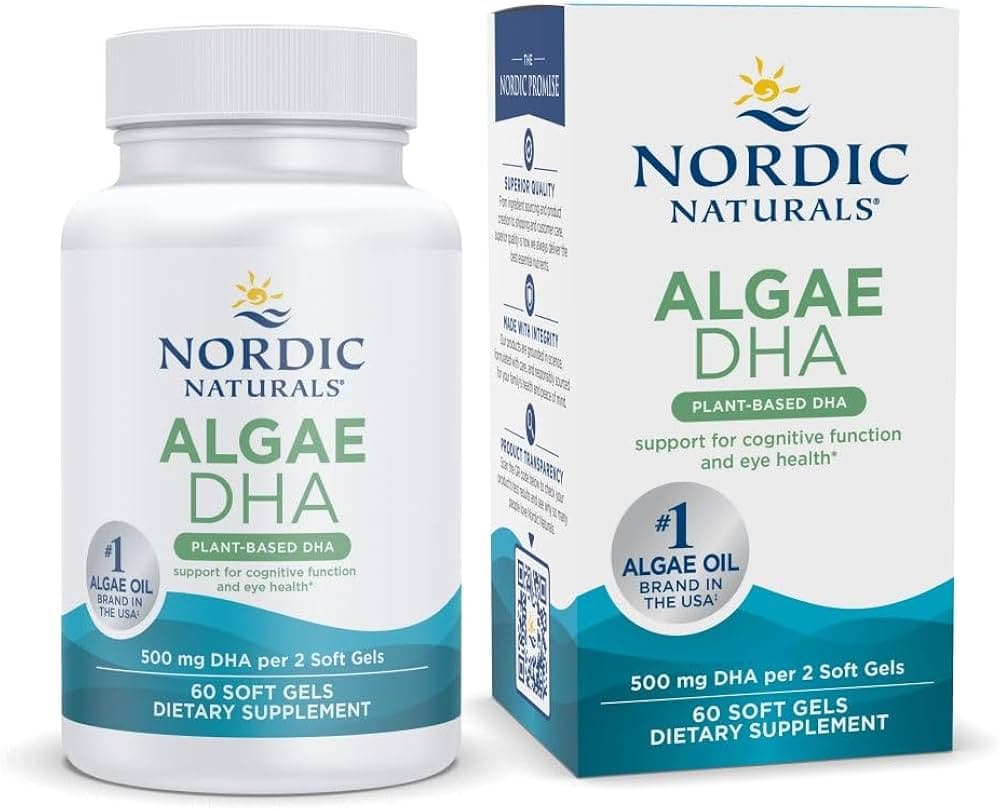
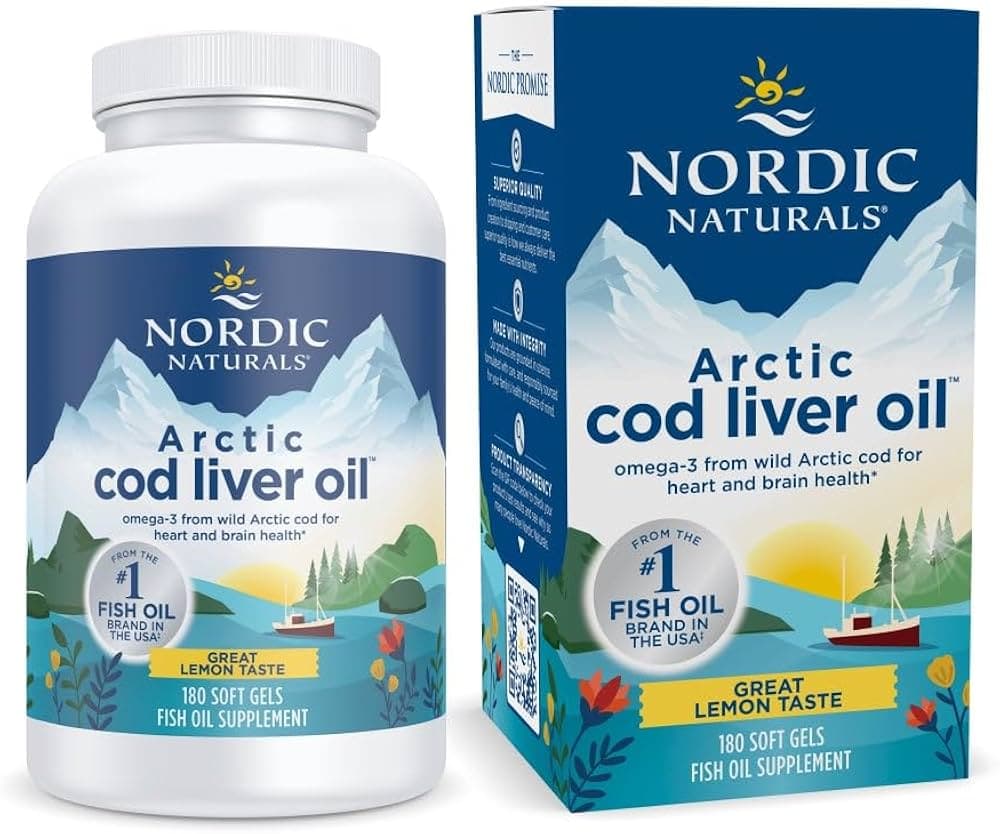
On the shelf

What Algae DHA comes in.

Products in our catalog that carry it, read the same way every product here is read.