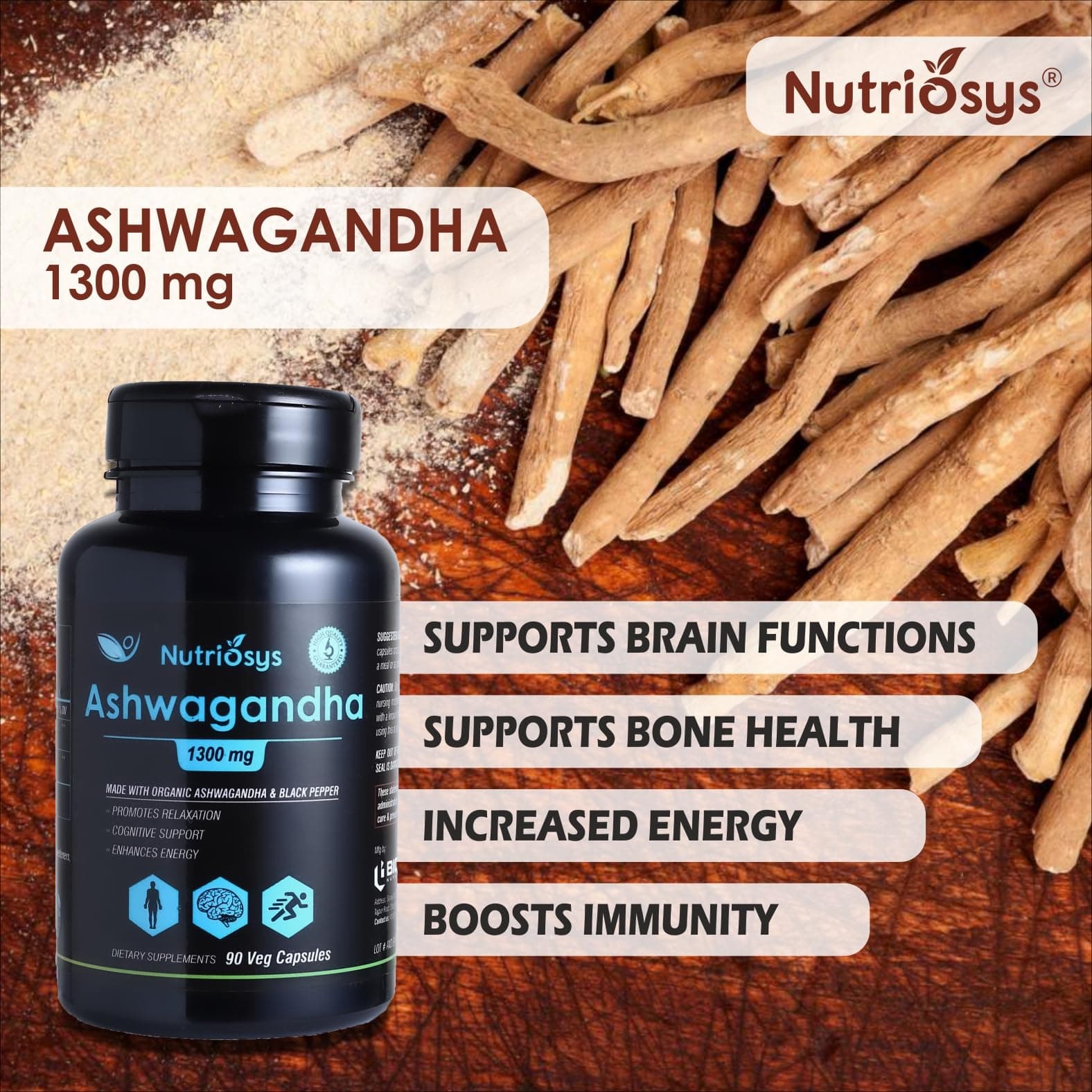
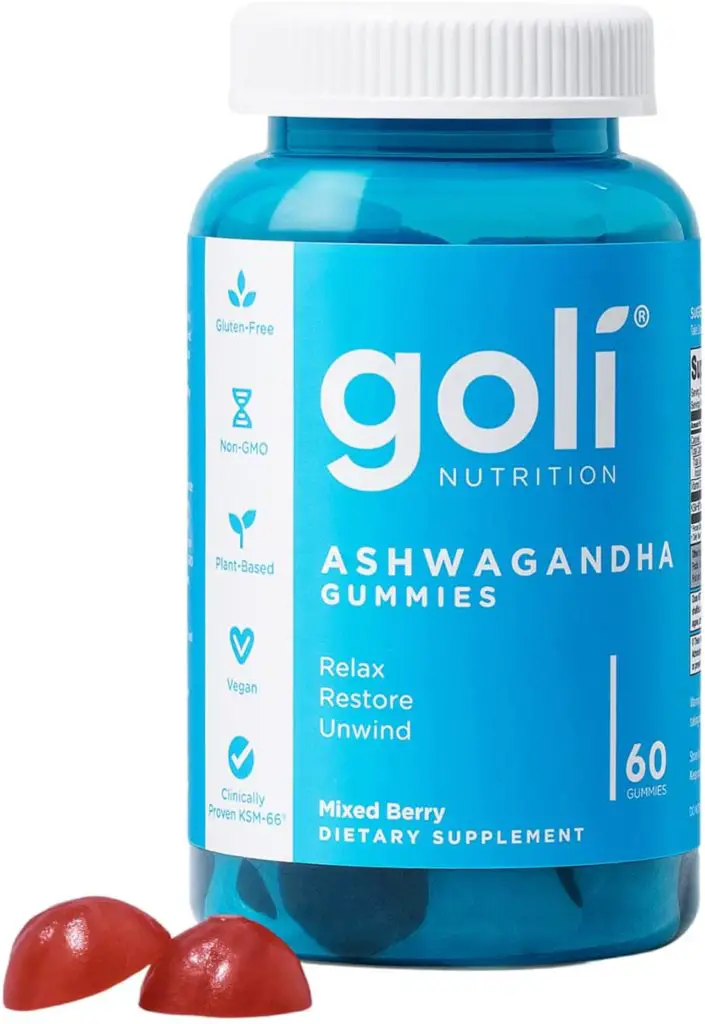
Ashwagandha Root Powder Extract.
Research-backed herb with potential health benefits. Helps your body handle stress. Reduces cortisol (your main stress hormone), which can help with anxiety and improve sleep quality.
Reviewed March 2026
- Category
- Herb
- Also called
- Ashwagandha Root, Ashwagandha Extract
What Ashwagandha Root Powder Extract is, and what it does.
- Does it work
- Yes. For chronic stress or anxiety, it's one of the better-researched herbs.
- How much to take
- 300-600mg of a standardized extract (like KSM-66 or Sensoril) daily. Splitting the dose morning and night can work well.
- Time to feel it
- About eight to nine weeks of daily use.
- The first dose
- Probably nothing. It's not a drug. Effects build over weeks.
- With regular use
- After 4-8 weeks, many report feeling calmer and more resilient to stress. Sleep quality can also improve.
- How well tolerated
- Generally well tolerated for most. Can cause mild stomach upset. The biggest thing is potential interaction with thyroid, blood sugar, and immune-suppressing medications.
- How it feels
- Subtle. You don't 'feel' it kick in. It's more about noticing you're not getting as worked up by things that used to bother you.
- The overlooked benefit
- The solvent decides what you get. A water extract and a water and alcohol extract carry different withanolides, so the plant part and the method belong on the label.
300 to 600mg a day is where Ashwagandha Root Powder Extract works.
Source: Chandrasekhar 2012 + Lopresti 2019 meta-analysis
In a 60 day randomised, double-blind, placebo-controlled trial, 60 stressed healthy adults took 240 mg of a standardised ashwagandha extract (Shoden) once daily or placebo. The ashwagandha arm showed a larger fall in Hamilton Anxiety Rating Scale scores (p = .040) and in morning cortisol (p < .001) than placebo, with the DASS-21 change near-significant (p = .096). A separate 8 week randomised, double-blind, placebo-controlled dose-ranging trial enrolled 131 adults with self-reported high stress and analysed 98, measuring reduced Perceived Stress Scale scores at 125, 250 and 500 mg per day of an aqueous root and leaf extract. Two trials on two different extracts, both landing in the same eight to nine week band.
The proof, claim by claim.
These words describe the research, not the molecule's worth. Research strength is how much work stands behind one claim, and it is never a product score.
Ashwagandha Root Powder Extract is documented in the library. The clinical read is in the queue. Nothing about the strength of the research prints until the read is done.
- Self-reported everyday stressMeta-analysis
- Cortisol already in the normal range, measured as a markerRandomised trial
- Sleep quality ratingsMeta-analysis
- Modulation of the hypothalamic pituitary adrenal axisNarrative review
- GABAergic activity as a calming mechanismAnimal study
- Strength and endurance alongside trainingRandomised trial
Questions people ask about Ashwagandha Root Powder Extract.
- Will it make me sleepy?
- Not usually. It's calming, not sedating. Most people take it during the day without issues.
- Can I take it every day?
- Yes, but cycling might be smart. Try 8 weeks on, 2 weeks off to maintain its effectiveness.
- Does it work for anxiety?
- It can help take the edge off. Multiple studies show it reduces feelings of stress and anxiety. It's not a replacement for therapy or medication.
- KSM-66 or Sensoril?
- KSM-66 is often used for daytime stress and focus. Sensoril is typically seen as more calming. Both work. Don't overthink it.
- Will it affect my workouts?
- It might help. Some studies show modest improvements in strength and endurance, likely by reducing the stress from exercise.
- When is the best time to take it?
- Morning or evening is fine. If you want stress support during the day, take it in the morning. If it helps you unwind, take it with dinner.
Why these belong in the same formula. Each row says what the basis is, from settled biochemistry through to a trial that measured the pair.
L-theanine promotes alpha-wave brain activity and gently modulates glutamate signaling for a calm but alert state, while ashwagandha moderates the HPA stress-hormone response. Formulas combine them so one supports in-the-moment relaxation and the other steadies the body's longer stress response.
Magnesium is a cofactor the nervous system needs for normal nerve signaling and muscle relaxation, and it helps damp over-excitable signaling by blocking the NMDA receptor channel. Alongside ashwagandha's steadying effect on the stress response, it is a common base in wind-down and stress formulas.
Both are adaptogens that act on the HPA axis to moderate stress-hormone output, but with different tilts: rhodiola leans toward easing stress-related fatigue and ashwagandha toward calming. They are a long-standing formulation pair because together they cover the activating and the settling side of the stress response.
Melatonin acts on circadian timing through MT1 and MT2 receptors while ashwagandha lowers evening cortisol and leans on GABA-A signalling. One sets the clock, the other lowers arousal.
Withanolides act on GABA-A signalling while glycine works at its own inhibitory receptor and lowers core body temperature at night. Different routes to the same settled sleep onset.
Phosphatidylserine acts on feedback sensitivity of the hypothalamic pituitary adrenal axis while ashwagandha lowers cortisol output at the adrenal end.
Piperine slows intestinal glucuronidation and some CYP-mediated clearance, raising exposure to lipophilic withanolides. A whole root powder is the presentation this matters most for, since its active load is lower than a concentrated extract.
Withanolides are lipophilic steroidal lactones with poor water solubility, and a lipid vehicle helps disperse a milled root powder for uptake.
Valerenic acid and the withanolides both act as positive modulators at GABA-A sites, so calming effects stack.
Ashwagandha raises circulating T4 and T3 within the normal range and iodine is the substrate for making them, so both push the same output in one direction.
The deiodinases converting T4 to T3 are selenoproteins, so selenium status governs the step ashwagandha nudges.
Caffeine raises arousal by blocking adenosine receptors while withanolides lower sympathetic tone, smoothing the jittery edge without cancelling alertness.
Both are Withania somnifera root preparations, and stacking two standardised extracts adds withanolide intake without adding a distinct mechanism. Branded and generic root extracts differ in solvent, plant part and withanolide percentage rather than in kind. Anyone combining them should count total withanolides rather than counting capsules. This is a formulation observation, not a synergy claim.
The two herbs are combined in traditional practice and in modern nootropic blends, with each carrying its own randomised human work on stress and cognitive performance endpoints. No trial has isolated the combination against either herb alone, so any additive effect is inferred. Both are slow-onset botanicals studied over eight weeks or more rather than acutely. The pairing is conventional rather than measured.
Panax ginseng and ashwagandha are both characterised against measures of perceived stress and physical performance, and blends commonly carry them together. Ginseng tends toward stimulating effects while ashwagandha is more often used toward calm, so the combination may not pull in one direction. No combination trial defines the net. Formulators should regard the pairing as complementary in intent, not in demonstrated effect.
Eleuthero appears alongside ashwagandha in adaptogen blends aimed at supporting the body's normal response to everyday stress. Each has its own small human literature and neither has been studied against the other in combination. The rationale is category convention. Confidence stays low deliberately.
Passionflower and ashwagandha are both used toward evening calm and sleep quality, and taking them together increases the total sedating load rather than doing something new. That matters for anyone driving or operating machinery, and it matters more when a sleep-support blend already carries several such botanicals. The additive direction is well recognised for sedating botanicals as a class. It is a flag, not a recommendation.
Chamomile carries apigenin, a benzodiazepine-site ligand at GABA-A receptors, and ashwagandha is used toward the same evening calm endpoint. Combining them raises the cumulative sedating effect. Neither the size nor the timing of that combined effect has been measured directly. Anyone stacking evening botanicals should count them together.
Honokiol and magnolol from magnolia bark modulate GABA-A signalling in preclinical work, the same broad territory ashwagandha's sleep-related use sits in. Two such ingredients in one evening formula add their sedating effects. The interaction is inferred from mechanism, not measured in a combination trial. It belongs on a label as a timing consideration.
Apigenin binds the benzodiazepine site on GABA-A receptors, which is why it is isolated for evening formulas, and pairing it with ashwagandha raises the total calming load. The mechanism for apigenin is well characterised. The mechanism for ashwagandha's evening use is less precisely defined. Combining them is common practice in sleep blends. Read the pairing as additive rather than synergistic.
Tryptophan is the dietary precursor of serotonin and then melatonin, a different route to evening calm than ashwagandha's, so the two are combined for cumulative rather than overlapping effect. Total sedating load rises accordingly. There is no combination trial for the pair. The precursor step for tryptophan is established biochemistry. The pairing is not.
5-HTP bypasses the rate-limiting hydroxylation step in serotonin synthesis, and it is combined with ashwagandha in evening formulas for cumulative calming effect. Adding two calming inputs raises the total, which is the practical point for anyone stacking them. No trial has measured the combination. Caution belongs here more than enthusiasm.
Supplemental GABA acts largely at peripheral receptors and on the gut-brain axis because it crosses the blood-brain barrier poorly, while ashwagandha is used toward the same evening endpoint by a less precisely defined route. Stacking them adds calming intent without a defined shared mechanism. No combination data exists. Confidence stays low on purpose.
Zinc is a required cofactor across the enzymes involved in normal hormone production and in the antioxidant enzyme systems that stress responses draw on. Ashwagandha is commonly formulated with it in male-wellness and stress products for that reason. The cofactor role is established. A specific benefit of the pairing is not. It is a nutritional support relationship.
Every decarboxylation step that produces serotonin, dopamine and GABA requires pyridoxal-5-phosphate, so B6 status governs the machinery ashwagandha formulas aim at supporting. The cofactor requirement is textbook and needs no citation. It does not mean the combination has been tested. The vitamin supports the normal pathway rather than amplifying the herb.
The adrenal cortex holds one of the highest ascorbate concentrations of any tissue and depletes it during periods of high demand, which is why vitamin C appears in stress-support formulas alongside adaptogens. That is established tissue biochemistry. Whether adding vitamin C changes what ashwagandha does has not been measured. The two are combined for complementary support of the normal stress response. Confidence sits with the mechanism.
A narrative review of ashwagandha's role in physical performance describes strength and recovery endpoints that creatine is independently characterised for through a different mechanism, phosphocreatine resynthesis. Two distinct routes to the same training endpoint can be additive. No trial has run the combination. The performance rationale is coherent without being demonstrated.
Protein supplies the amino acid substrate for muscle protein synthesis, while ashwagandha's performance literature reports strength and recovery endpoints through unrelated routes. Sports formulas pair them for that reason. The combination itself has not been isolated in a trial. Substrate plus botanical is a formulation logic, not a measured synergy.
Cordyceps and ashwagandha both appear in endurance and stress-support blends with separate small human literatures. Nothing links their mechanisms directly. The pairing is category convention. The confidence label reflects that honestly.
Reishi is a traditional calming mushroom often blended with ashwagandha in evening and stress formulas. Their active constituents, triterpenes and beta-glucans against withanolides, are chemically unrelated. No combination study exists. It is convention rather than evidence.
Tyrosine is the amino acid backbone that iodine is attached to in thyroid hormone synthesis, and small human work has reported that ashwagandha shifts thyroid hormone markers. Combining a precursor with something that appears to influence the same axis is a reason for care rather than for enthusiasm, particularly for anyone already being monitored on that axis. The precursor step is established. The combined effect is not measured. Marker changes are not outcomes.
Ashwagandha root preparations are traditionally taken with warming digestives such as ginger, partly because concentrated root extracts can be unsettling on an empty stomach. That is a tolerability practice with a long history rather than a measured pharmacological interaction. No trial addresses the pair. The rationale is traditional.
Vitamin D and ashwagandha appear together in general wellness and sleep-support formulas, each with its own literature and no shared mechanism. Vitamin D status is worth attending to on its own terms. Nothing about the combination has been studied. This row exists to record the common pairing honestly, not to endorse it.
Nothing specific on file for Ashwagandha Root Powder Extract. Match the label to the daily amount above, and tell your doctor what you take.
Not medical advice. Show the label to your pharmacist.What Ashwagandha Root Powder Extract actually does.
The constituents anyone can actually characterise in Withania somnifera root are withanolides, a family of steroid-like lactones. Extracts get standardised to total withanolide content because that's the marker class you can measure.
Withaferin A and withanolide A are structurally different withanolides with different activity profiles, and root and leaf carry them in different proportions. That's why which plant part is in the bottle is part of the ingredient's identity, not a footnote.
Withanolides are fat-loving steroid lactones, so the solvent used shapes both how much comes out and how the finished product dissolves. A water-only extract carries a different constituent profile than a water-and-alcohol one.
Withania somnifera sits in the nightshade family, which matters if you're avoiding that plant group. The root is the traditional part used, while the leaf carries a heavier withaferin A load.
Where Ashwagandha Root Powder Extract comes from.
The roots are dug up, washed, dried and ground. The powder is soaked in water or in a water and alcohol mix that pulls out the active withanolides, the liquid is filtered and gently concentrated, then tested to confirm how much of the marker compound it holds before it is dried into a finished powder. The traditional version of the same step uses milk instead of alcohol.
Made from a plant. What ends up in the capsule tracks the harvest, so batch testing and a stated marker matter more here than with a made molecule.
Roots are harvested from cultivated plants, most commonly in India, typically after the growing season when the root has matured. Cultivar, soil and harvest timing all shift withanolide content before any processing.
Roots are washed, cut and shade or controlled-air dried to reduce moisture below the level where microbial growth is a problem, then milled to a coarse powder that presents more surface area to the solvent.
The traditional method uses milk or water as the extraction medium. Commercial extracts use water alone or an ethanol and water mixture, and the choice changes which withanolides are pulled and in what ratio.
Plant solids are filtered out and the liquid is concentrated under reduced pressure at controlled temperature, since withanolides degrade with prolonged heat.
Total withanolide content is quantified by HPLC against reference standards and the concentrate is adjusted with carrier or blended across lots to hit the declared percentage. Identity is confirmed against the correct species and plant part.
The standardised concentrate is spray-dried, often onto a carrier such as maltodextrin or the plant's own fibre, then milled and either encapsulated or granulated for tableting.
The forms it comes in.
The essence, in one line each.
- Across 12 randomised trials in 1,002 adults, ashwagandha supplementation lowered self-reported anxiety scores (standardised mean difference -1.55) and stress scores (-1.75) against placebo, with the authors rating the certainty of the evidence as low.Meta-analysis. Akhgarjand et al., 2022 (Phytotherapy Research). PMID 36017529 ↗
- Pooling five randomised trials in 400 adults, ashwagandha extract produced a small but measurable improvement in overall sleep against placebo (standardised mean difference -0.59), with the effect more prominent at doses of 600 mg a day or more taken for at least eight weeks.Systematic review. Cheah et al., 2021 (PLoS One). PMID 34559859 ↗
- In 57 young men new to resistance training, 300 mg of ashwagandha root extract twice daily for eight weeks raised bench-press one-rep max by about 46 kg versus about 26 kg on placebo, and raised serum testosterone by about 96 ng/dL versus about 18 ng/dL.Randomised trial. Wankhede et al., 2015 (Journal of the International Society of Sports Nutrition). PMID 26609282 ↗
- In 60 healthy adults scoring high on the perceived stress scale, ashwagandha root extract at 250 mg or 600 mg a day for eight weeks lowered perceived stress scores and serum cortisol compared with placebo.Randomised trial. Salve et al., 2019 (Cureus). PMID 32021735 ↗
- Across controlled human trials in adults under stress, Withania somnifera supplementation was associated with lower morning cortisol concentrations than placebo, with the size of the change varying widely between trials.Systematic review. Della Porta et al., 2023 (Nutrients). PMID 38140274 ↗
- In a review of herbal supplements and testosterone in men, ashwagandha carried trial evidence of higher circulating testosterone, a blood marker, while most other herbs reviewed showed no clear change.Systematic review. Smith et al., 2021 (Advances in Nutrition (Bethesda, Md.)). PMID 33150931 ↗
- Adults reporting ongoing stress who took a sustained-release ashwagandha root extract showed larger reductions in perceived stress scores than the placebo group, alongside a tolerability profile similar to placebo.Randomised trial. Thanawala et al., 2026 (Medicine). PMID 41824889 ↗
- Adults given ashwagandha root extract scored better on cognitive performance tasks and reported improved sleep quality relative to placebo.Randomised trial. Saxena et al., 2026 (Frontiers in nutrition). PMID 41889719 ↗
- In healthy adults, ashwagandha root extract was well tolerated, with laboratory markers of liver, kidney and thyroid function staying in the normal range and no separation detected from placebo.Randomised trial. Movva et al., 2026 (Frontiers in nutrition). PMID 42253745 ↗
- In a randomised, double-blind, placebo-controlled study, the authors report improvement in self-reported sexual wellbeing scores in healthy men taking ashwagandha root extract compared with placebo. The endpoints are questionnaire scores.Randomised trial. Khanna A et al., 2026 (Frontiers in Reproductive Health). PMID 41766918 ↗
- A prospective, randomised, double-blind, placebo-controlled evaluation of ashwagandha root extract reported in a reproductive health journal. The authors report both efficacy and tolerability outcomes against placebo, and the specific endpoints are set out in the source.Randomised trial. Vani I et al., 2025 (Frontiers in Reproductive Health). PMID 41561822 ↗
- The authors report reductions in perceived stress scores and changes in body weight measures with ashwagandha root extract against placebo. Perceived stress is a self-reported scale.Randomised trial. Pakhale K et al., 2025 (Journal of Medicine and Life). PMID 41635453 ↗
- A specific ashwagandha root formulation was reported to lower self-reported stress scores and improve mood and sleep quality ratings relative to comparison. All endpoints are rating scales rather than clinical measurements.Randomised trial. Mahadevan M et al., 2025 (Advances in Therapy). PMID 40875185 ↗
- A prospective study reporting tolerability and outcome measures for ashwagandha root extract during pregnancy. A single study is not a basis for use in pregnancy, and the conventional position remains that pregnant and breastfeeding women avoid the herb unless a clinician says otherwise.Cohort study. Ajgaonkar A et al., 2026 (Frontiers in Global Women's Health). PMID 41767760 ↗
- A narrative review pulling together the human work on ashwagandha and physical performance, concluding that strength, recovery and endurance endpoints have been reported across small trials while study sizes and extract types vary widely.Narrative review. Nobari H et al., 2026 (Nutrition and Metabolism). PMID 41715115 ↗
- Ashwagandha alone and combined with Shatamuli changed growth performance and faecal microbial counts in the authors' animal feeding study. These are livestock production and microbiology measures, not human endpoints.Animal study. Siddika A et al., 2026 (Veterinary Medicine and Science). PMID 41653101 ↗
- A review of dietary approaches to restful sleep that names ashwagandha among the botanicals with reported sleep-quality findings. It is expert synthesis across heterogeneous studies rather than new measurement.Narrative review. Conti F et al., 2026 (Nutrition Reviews). PMID 40418260 ↗
These are the studies our verdict leans on, chosen from the 2,019 we read for Ashwagandha Root Powder Extract. The full linked list is below.
The studies, linked.
1 source behind our Ashwagandha Root Powder Extract verdict: peer-reviewed studies and registered clinical trials. Every one links straight to PubMed, the journal, or ClinicalTrials.gov. Read them yourself.
- Clinical trialEvaluation of Curcumin Formulation, and Ashwagandha Root Powder Extract in the Management of Advanced High Grade Osteosarcoma"ClinicalTrials.gov ↗Phase 1, 24 participants, Unknown
Evidence surfaced via Semantic Scholar (Allen Institute for AI) and ClinicalTrials.gov. Ranked by study type and citation weight, not cherry-picked.
FDA Disclaimer: These statements have not been evaluated by the Food and Drug Administration. This information is for educational purposes only and is not intended to diagnose, treat, cure, or prevent any disease. Consult your healthcare provider before starting any supplement regimen.